Western Canada Towns Plan Green Jobs Around Oil and Gas
Municipal leaders in oil-dependent communities across Western Canada are quietly building clean energy futures that work with, not against, their existing industries. New research reveals how listening to these towns could unlock Canada's energy transition.
Small towns across Western Canada that built their entire existence around oil and gas are charting a hopeful path forward, and their approach might surprise climate advocates on both sides of the debate.
Municipal leaders from 10 oil and gas communities in British Columbia and Alberta are actively pursuing green diversification projects. They're exploring geothermal energy, hydrogen pilots, tourism expansion, data centers, manufacturing hubs, and rare-earth mineral processing.
Here's the key insight: these communities aren't abandoning oil and gas. They're building around it. For many of these towns, the fossil fuel industry funds their hospitals, schools, ice rinks, and roads. One Alberta official put it plainly: without oil and gas, there would be no hospital, no schools, no town.
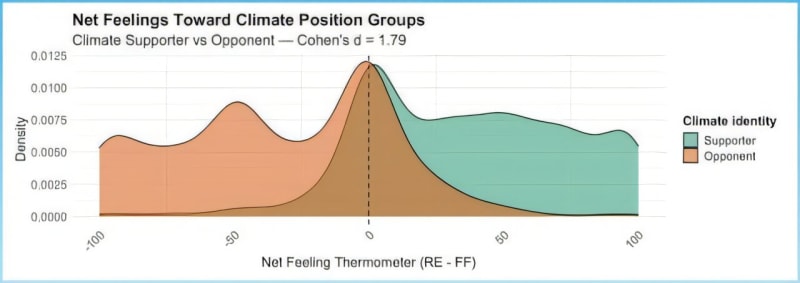
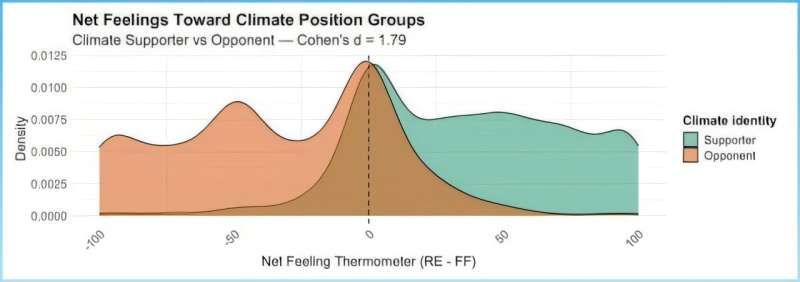
New research surveying 3,400 residents across British Columbia, Alberta, Saskatchewan, and Manitoba reveals why understanding these emotions matters. The study found that emotional divisions over climate policy run as deep as political party loyalties. When people feel their identity and livelihood are threatened, policy details matter less than feeling heard.
The good news? There's room for common ground. Clean technology mandates and renewable electricity requirements draw broader support than carbon taxes. When climate policies include job training programs, community-owned energy projects, and public transit, support grows among moderate citizens.
The Ripple Effect
Youth in these communities embrace climate sustainability, showing generational bridges are forming. Municipal officials are actively chasing low-carbon investments despite thin staffing and limited resources. These aren't resistant communities blocking progress. They're communities asking for transition plans that acknowledge their reality.
The research, released on the United Nation's International Day of Clean Energy, points to a practical path forward. Federal and provincial governments need regionally tailored visions that make sense for communities facing minus-40-degree winters and economies built on energy extraction. Generic, urban-focused climate plans feel disconnected from rural realities.
When one British Columbia official criticized propane-powered electric vehicle chargers in extreme cold, they weren't rejecting clean energy. They were asking for solutions designed with their specific challenges in mind.
These conversations reveal something encouraging: fossil fuel communities want economic diversification and are already working toward it. They need partners in government who understand that protecting livelihoods and pursuing sustainability aren't opposing goals. With coherent regional support, these towns could become laboratories for practical energy transition that other regions could follow.
Canada's clean energy future might depend less on winning arguments and more on building bridges with the communities most affected by change.
More Images

Based on reporting by Phys.org - Technology
This story was written by BrightWire based on verified news reports.
Spread the positivity!
Share this good news with someone who needs it