Whales Teaching Whales: How Culture Saves a Species
Humpback whales are passing along an advanced fishing technique across the Pacific, proving that saving animals isn't just about numbers. Scientists now say protecting what whales know may be just as important as protecting the whales themselves.
Humpback whales in Canadian waters are learning an ingenious fishing trick from their Alaskan cousins, and it's changing how scientists think about conservation.
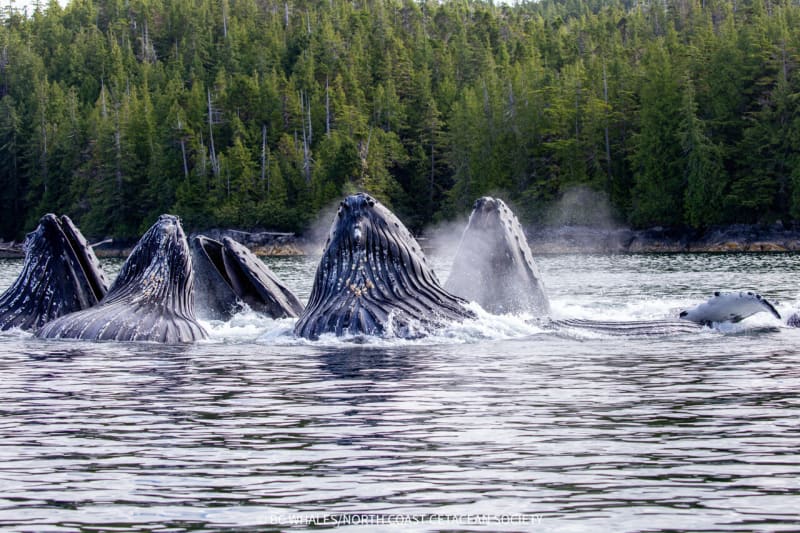
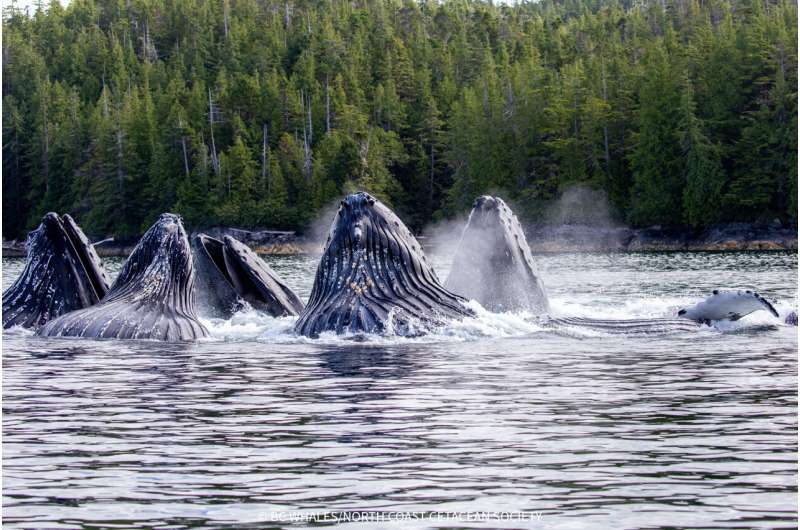
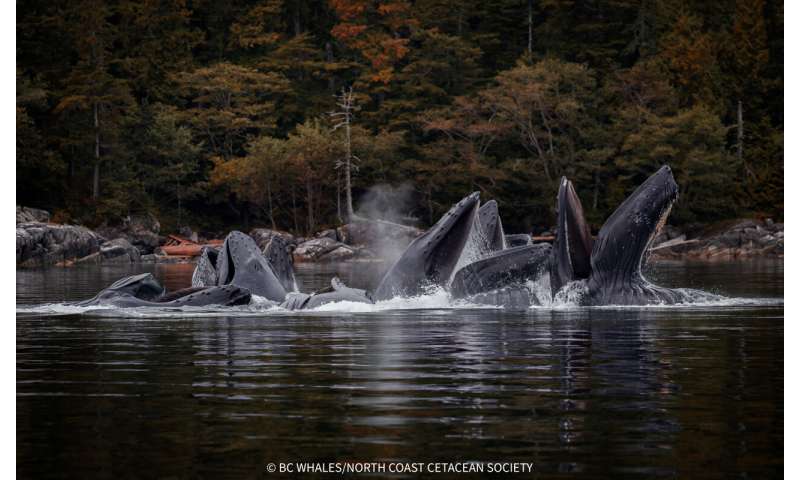
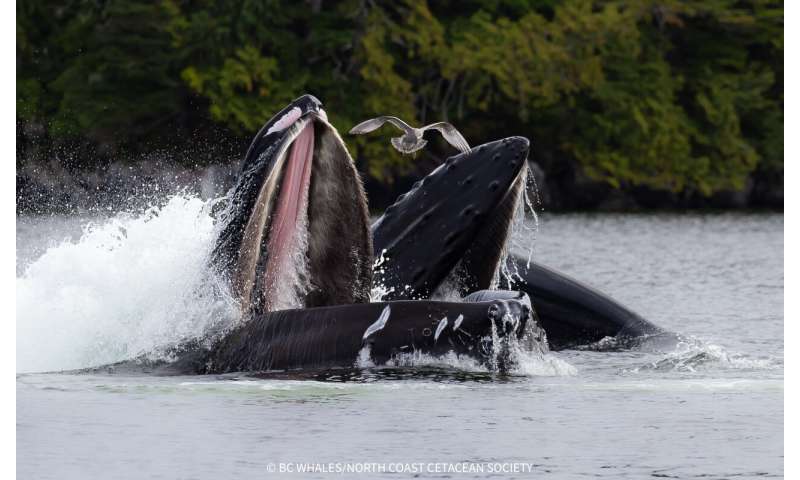
Researchers at the University of St Andrews discovered that bubble-net feeding, a cooperative hunting technique, is spreading through humpback whale populations like a cultural tradition. Groups of whales work together to blow massive clouds of bubbles that trap small fish, creating dense schools they can gulp down as a team.
The technique has been common in Alaskan waters for decades. But as humpback populations recover from commercial whaling, immigrant whales are bringing this knowledge south into Canadian Pacific waters, teaching local whales a skill they had either lost or never learned.
Scientists studied whales in the Kitimat Fjord System of northern British Columbia, an area stewarded by the Gitga'at First Nation for thousands of years. By tracking whale social networks over many years, they found that knowledge spreads through key individuals and groups, much like information flows through human communities.
Dr. Éadin O'Mahony, the study's lead author, explained that bubble-net feeding isn't just clever. It's shared knowledge that makes the entire population stronger and more adaptable.
The Ripple Effect
This discovery reveals something profound about animal recovery. When whale populations crashed during the whaling era, we didn't just lose whales. We lost their collective wisdom about how to survive and thrive.
The research shows that cultural knowledge can be just as fragile as population numbers. As whale groups were decimated, entire traditions and techniques vanished with them. Now, as populations rebuild, we're watching whales rebuild their culture too.
Dr. Luke Rendell, a co-author from St Andrews, noted that information flow in animal societies is vital to their ability to flourish. The study suggests that protecting areas where specific learned behaviors are concentrated could benefit whale populations far beyond those local waters.
This finding matters for how we approach marine conservation going forward. As human activity increasingly impacts ocean ecosystems, protecting not just whale habitats but whale culture hotspots could help entire populations adapt to changing conditions.
The research appears in Proceedings of the Royal Society B, adding to growing evidence that many animals maintain complex cultural traditions worth preserving.
Watching whales teach each other ancient survival skills reminds us that recovery means more than counting individuals in a population.
More Images
Based on reporting by Phys.org
This story was written by BrightWire based on verified news reports.
Spread the positivity!
Share this good news with someone who needs it