Whirlpool Cuts Emissions 57% Since 2021, Eyes 2050 Goal
The appliance maker has slashed more than half its operational carbon footprint in just four years and now runs 80% of its global operations on renewable electricity. Science-backed targets show the company is serious about a cleaner future.
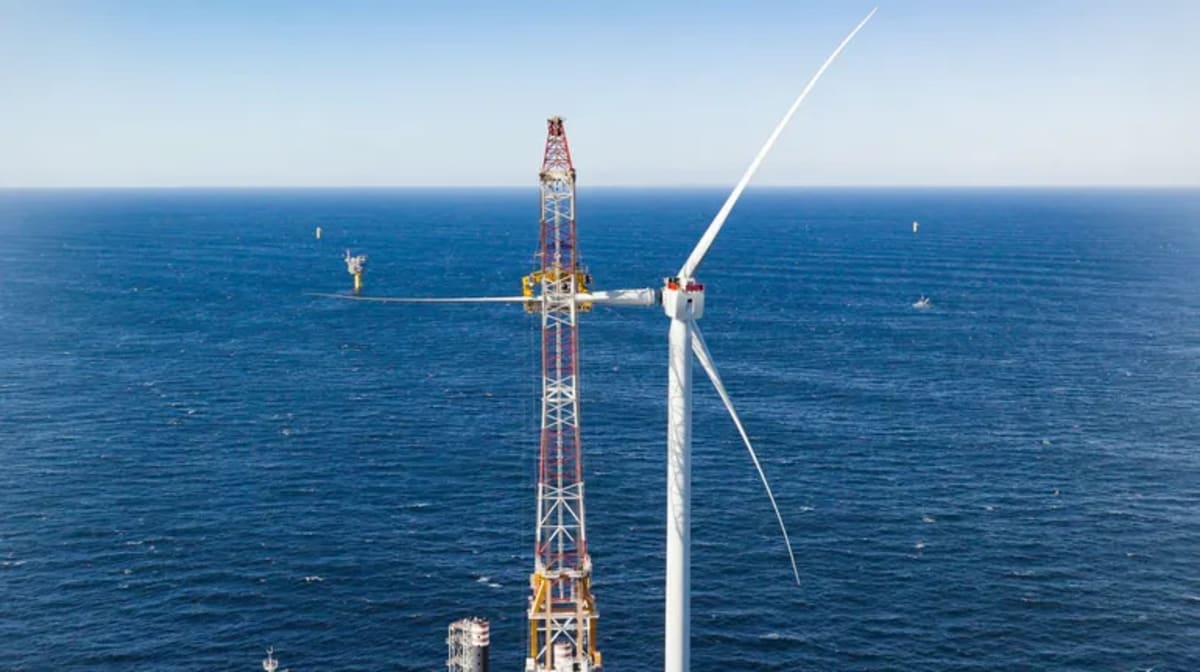
Whirlpool just proved that major manufacturers can move the needle on climate action fast. The appliance giant announced it has cut its operational emissions by 57% since 2021 while matching 80% of its global electricity use with renewable sources.
The company released its 2025 Corporate Responsibility Impact Report with ambitious new targets validated by the Science Based Targets initiative, the gold standard for corporate climate commitments. That validation means independent experts have verified the goals align with what science says is needed to limit global warming.
Whirlpool's roadmap includes cutting operational emissions by 65% by 2030 compared to 2021 levels. The company also plans to reduce emissions from the energy its products use in customer homes by 25% over the same period.
The long game is even more impressive. By 2050, Whirlpool aims to slash key emissions by 90%, putting the company on track toward net zero.
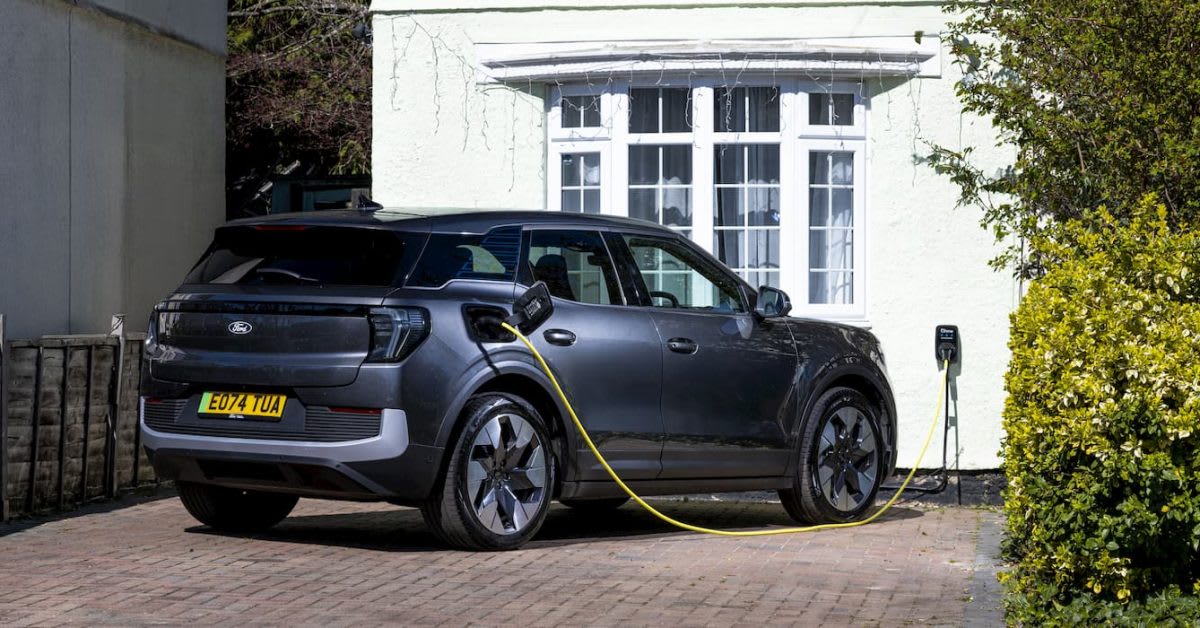
These aren't just paper promises. The company launched more than 100 energy and water efficient products globally in 2025 alone. Every new dishwasher, refrigerator, and washing machine that uses less power means lower bills for families and less strain on the grid.
Whirlpool is also partnering with Habitat for Humanity to build 50 net-zero-energy-ready homes by the end of 2026. These homes will generate as much energy as they consume, showing how efficient appliances fit into the bigger picture of sustainable living.
The Ripple Effect
When a company the size of Whirlpool commits to renewable energy at this scale, it sends a powerful market signal. Supplier networks adjust, competitors take notice, and the entire industry inches toward cleaner production.
The shift to efficient appliances reaches into millions of homes worldwide. A family buying an energy-saving refrigerator today will use less electricity for the next 15 years, cutting their carbon footprint and utility costs month after month.
Industry watchers note that manufacturing accounts for a significant chunk of global emissions, so when major players clean up their operations, the impact multiplies across supply chains and communities where factories operate.
One company choosing renewable energy creates demand that helps make clean power more available and affordable for everyone.
Based on reporting by Google News - Emissions Reduction
This story was written by BrightWire based on verified news reports.
Spread the positivity!
Share this good news with someone who needs it