WHO Chief: Health Unites Nations Despite Global Divides
In a fragmented world, global health cooperation proves countries can still work together despite political differences. WHO's leader says the recent Pandemic Agreement shows unity is possible.
When the world feels divided, one area continues to bring nations together: health.
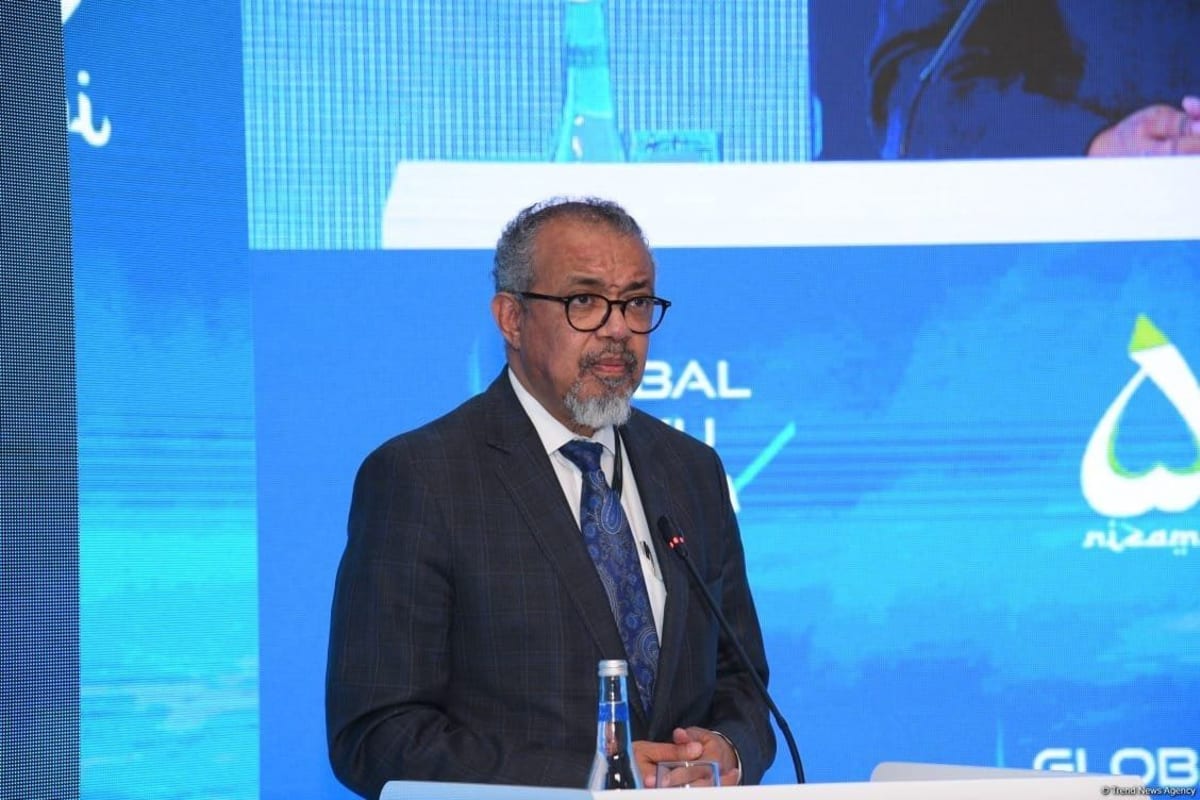
Tedros Adhanom Ghebreyesus, head of the World Health Organization, delivered a powerful message at the 13th Global Baku Forum this week. Speaking at the forum themed "Bridging Divides in a Fragmented World," he reminded global leaders that health doesn't recognize borders or political battles.
"In a fragmented world filled with conflict, health is one of the few areas where countries can and must come together to find joint solutions to shared threats, regardless of ideological differences," Ghebreyesus told attendees. His words carry weight at a time when international cooperation often feels impossible.
The WHO was founded nearly 78 years ago with exactly this mission: to help nations collaborate on health challenges that affect everyone. Despite today's tensions, member countries continue working together within the WHO framework, proving that shared threats can create common ground.
Last year brought concrete proof of this cooperation. WHO member states adopted the Pandemic Agreement, a major achievement in global health governance. Once ratified, this agreement will become landmark international law designed to protect the world from future pandemics.
Ghebreyesus pointed out something often overlooked: health sits at the crossroads of security, development, justice, and trust. This unique position gives health cooperation unusual power to overcome divisions that seem impossible to bridge through other channels.
The Ripple Effect
When countries cooperate on health, the benefits extend far beyond preventing disease. These partnerships build trust between nations, strengthen diplomatic relationships, and create frameworks for collaboration that can expand into other areas. Scientists share research, countries pool resources, and communities learn from each other's successes and failures.
The Pandemic Agreement represents years of negotiation between countries with vastly different political systems, economies, and ideologies. That they reached consensus shows what's possible when humanity faces a common threat. The agreement will help ensure more equitable access to vaccines, better early warning systems, and coordinated responses to future health emergencies.
"Health goes beyond borders, ideologies, economic systems, ethnicity, religions, and other differences," Ghebreyesus said. His vision is simple but profound: our shared humanity and vulnerability to disease can unite us when little else can.
As global tensions rise in many areas, health cooperation stands as proof that nations can still find ways to work together for the common good.
More Images

Based on reporting by Google: cooperation international
This story was written by BrightWire based on verified news reports.
Spread the positivity!
Share this good news with someone who needs it