WHO Helped 567 Million People Access Healthcare in 2025
The World Health Organization brought essential healthcare to over half a billion more people last year, even while facing major budget cuts. Despite financial pressures, the organization's work reached billions across three key health areas. #
More than half a billion people gained access to essential healthcare in 2025, proving that progress is possible even when budgets shrink.
The World Health Organization released its annual Results Report this week showing that 567 million additional people received vital health services last year compared to 2024. That's 136 million more people than the year before, reaching communities that previously went without basic medical care.
The gains extended beyond routine healthcare. Nearly 700 million people received better protection from health emergencies, while 1.75 billion people are now living healthier lives overall. That's 300 million more than just one year earlier.
WHO Director-General Tedros Adhanom Ghebreyesus celebrated the milestone while acknowledging the challenges ahead. "Countries have delivered tangible benefits for millions of people," he said in Thursday's report.
The organization tackled 66 health emergencies across 88 countries throughout 2025. In Gaza alone, WHO partners delivered 33 million medical consultations to people caught in crisis. The work ranged from fighting HIV and tuberculosis to improving sanitation and growing the global health workforce.
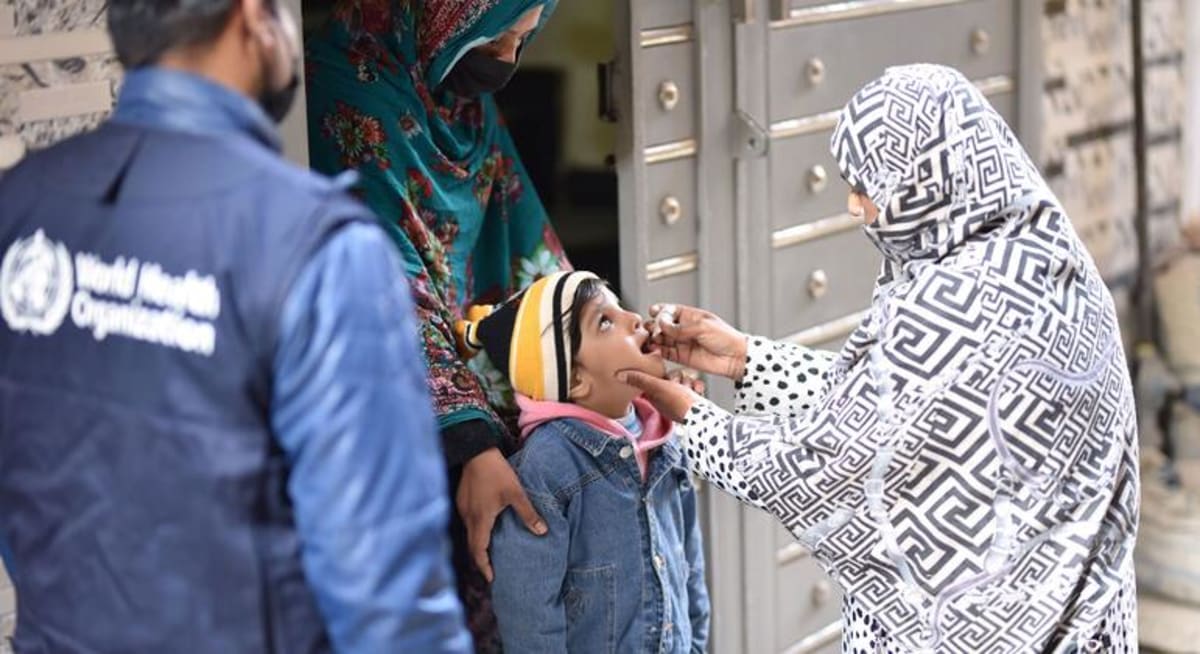
Mental health support expanded dramatically. Emergency mental health services now reach 48 percent of countries, up from just 28 percent previously. Parents in developing nations also gained better access to HPV vaccines, with coverage climbing from 17 percent in 2019 to 31 percent in 2024 thanks to simplified single-dose schedules.
A new global air pollution roadmap aims to cut related deaths in half by 2040. The organization also strengthened disease detection systems and emergency response protocols through a newly adopted Pandemic Agreement and revised International Health Regulations.
The Bright Side
The numbers could have been even higher. WHO didn't reach its ambitious "Triple Billion" goals, which targeted one billion additional people benefiting in each health category. Roughly half of the organization's output targets went unmet as funding cuts forced reduced staffing and slower program rollout.
But here's what matters: hundreds of millions of real people in real communities now have healthcare access they didn't have before. Children are getting vaccinated. Families have clean water. Communities can respond to disease outbreaks faster.
The financial constraints that limited WHO's reach also revealed something important. When the global community invests in health infrastructure, the returns are immediate and measurable. Every dollar spent translates directly into lives protected and improved.
The findings will be presented at the World Health Assembly next month in Geneva, where global health leaders will chart the path forward. The message is clear: sustained investment in healthcare infrastructure creates gains that compound year after year.
These wins show what's possible when countries work together toward healthier futures for everyone.
#
Based on reporting by UN News
This story was written by BrightWire based on verified news reports.
Spread the positivity!
Share this good news with someone who needs it