Why Farm Kids Get Fewer Allergies: Yale Solves the Mystery
Yale scientists finally explained why children raised around animals and microbes develop fewer allergies. The discovery could reshape how we prevent and treat allergic reactions.
Scientists at Yale University just cracked a code that's puzzled doctors for generations: why kids who grow up on farms, play with pets, and get a little dirty are far less likely to suffer from allergies.
The answer lies in how our immune systems learn. Researchers discovered that early exposure to diverse microbes and proteins creates a type of immune memory that protects against allergic reactions for life.
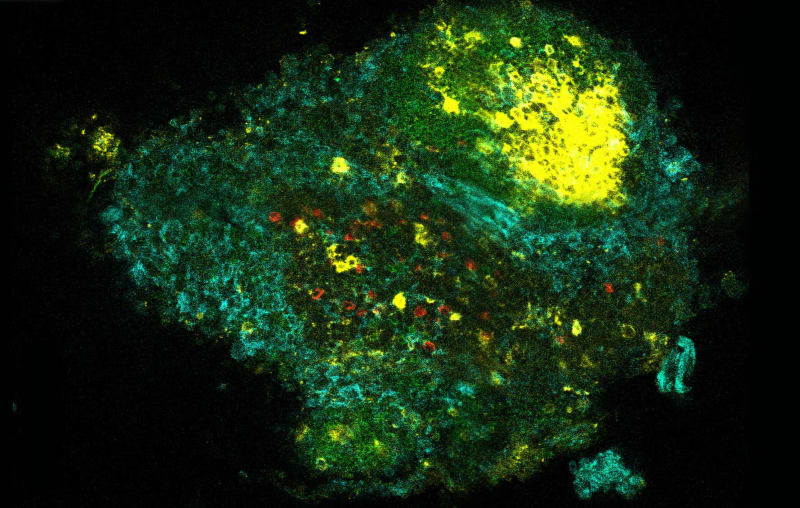
To test this, Yale's team compared two groups of mice. One group lived in microbe-rich environments similar to natural habitats, while the other grew up in sterile lab conditions. When both groups encountered allergens like peanuts, soy, and pea proteins, the results were striking.
The mice from natural environments barely reacted to allergens, even ones they'd never seen before. Their immune systems had built a protective shield made of IgG antibodies, which block allergic reactions instead of triggering them. The sterile lab mice, meanwhile, produced IgE antibodies that fuel the severe allergic responses millions of people experience today.
"The natural mice represent what is the normal state of humans up until about 100 years ago," said Ruslan Medzhitov, Sterling Professor of Immunobiology at Yale School of Medicine and lead author of the study. His team found that normal microbial exposure creates a completely different immune state compared to overly clean environments.
Modern life has brought incredible advances in fighting dangerous diseases through antibiotics, vaccines, and sanitation. But there's a tradeoff. Our undertrained immune systems now overreact to harmless substances like ragweed, cat dander, and peanuts.
The study, published in Nature, shows this isn't about genetics. Environment plays the starring role in determining who develops allergies.
Why This Inspires
This research opens doors to real solutions beyond just managing symptoms. The findings suggest that cultivating protective IgG antibodies through controlled allergen exposure might actually cure existing allergies, not just suppress them.
The science also points toward better prevention strategies. Encouraging children to spend time in natural environments and around animals during their early years could train their immune systems properly. Future therapies might boost these protective responses rather than simply blocking allergic reactions.
For the 50 million Americans living with allergies, this breakthrough offers something more valuable than another bottle of antihistamines: genuine hope for a world where a peanut or a cat doesn't trigger a trip to the emergency room.
More Images


Based on reporting by Medical Xpress
This story was written by BrightWire based on verified news reports.
Spread the positivity!
Share this good news with someone who needs it