
FDA Approves Wearable Device for Pancreatic Cancer
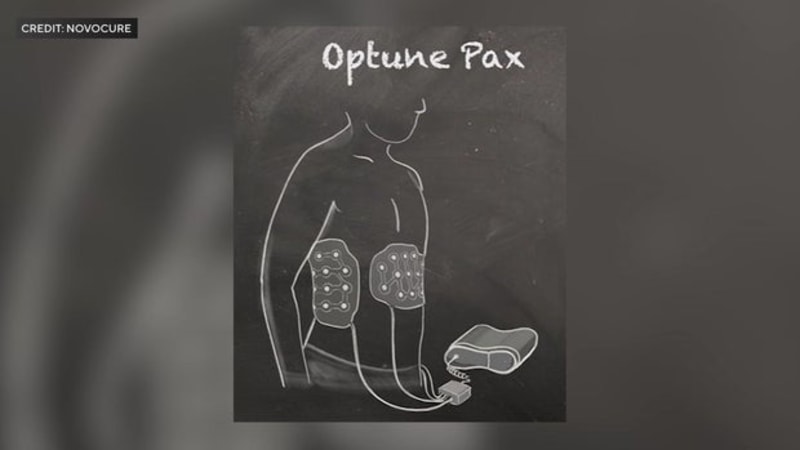
For the first time in three decades, patients with inoperable pancreatic cancer have a new treatment option. The FDA just approved Optune Pax, a wearable device you use at home that uses electric fields to kill cancer cells.
Pancreatic cancer has long been one of the deadliest diagnoses a patient can receive, but a groundbreaking new treatment is changing what's possible for thousands of families facing this disease.
The FDA just approved Optune Pax, the first new treatment for inoperable pancreatic cancer in 30 years. It's a wearable device patients use at home that delivers electric fields to disrupt and kill cancer cells.
The technology works by targeting cells that divide rapidly, which is exactly what cancer cells do. Healthy cells that aren't dividing quickly remain unaffected, making it a precise tool in the fight against this aggressive disease.
Dr. Aaron Sasson, director of the Pancreatic Cancer Center at Stony Brook Medicine, calls it a meaningful step forward. "For cells that are not dividing rapidly, there is no effect on it," he explains. "It only really affects those that are actively trying to make more copies of themselves."
Patients wear the device up to 18 hours a day. In clinical trials, people using Optune Pax lived about two months longer on average, and the treatment significantly delayed pain, a crucial quality of life measure.
The device is already helping patients with brain and lung cancer, and now it offers hope for those with locally advanced pancreatic cancer who can't have surgery. That's a game changer for a disease that's often detected too late for surgical removal.
Mark Infranco of Miller Place knows how critical early detection is. He discovered his golf ball sized tumor three years ago after developing an unusual symptom: persistent itchiness. "The itchiness was a blessing in disguise," he says. "It gave me an early warning signal something was wrong."
Infranco caught his cancer early enough for robotic surgery, and today he's cancer free. But for patients whose tumors are found later, Optune Pax offers a new path forward.
The Bright Side
Pancreatic cancer represents just 3% of all cancer cases but carries a disproportionately deadly reputation. Every new tool matters, and this approval signals that innovation is accelerating.
The technology is still being tested for other cancer types, meaning today's breakthrough could help even more patients tomorrow. "If we can not only prolong life, but prolong quality of life, that's fantastic," Sasson says.
While questions about insurance coverage remain, and the treatment represents what some call "baby steps" in a long fight, the direction is clear. "Every advancement is good news," Sasson notes.
For families facing pancreatic cancer, hope just got a powerful new ally.
More Images

Based on reporting by Google News - New Treatment
This story was written by BrightWire based on verified news reports.
Spread the positivity!
Share this good news with someone who needs it