3D-Printed Lymph Nodes Speed Up Cancer Treatment
Scientists are using 3D printing technology to make life-saving CAR T-cell cancer therapy faster and cheaper. This breakthrough could help thousands of patients who currently can't access or afford this cutting-edge treatment.
A promising new breakthrough could put powerful cancer-fighting treatment into the hands of patients who desperately need it but can't wait weeks for traditional methods.
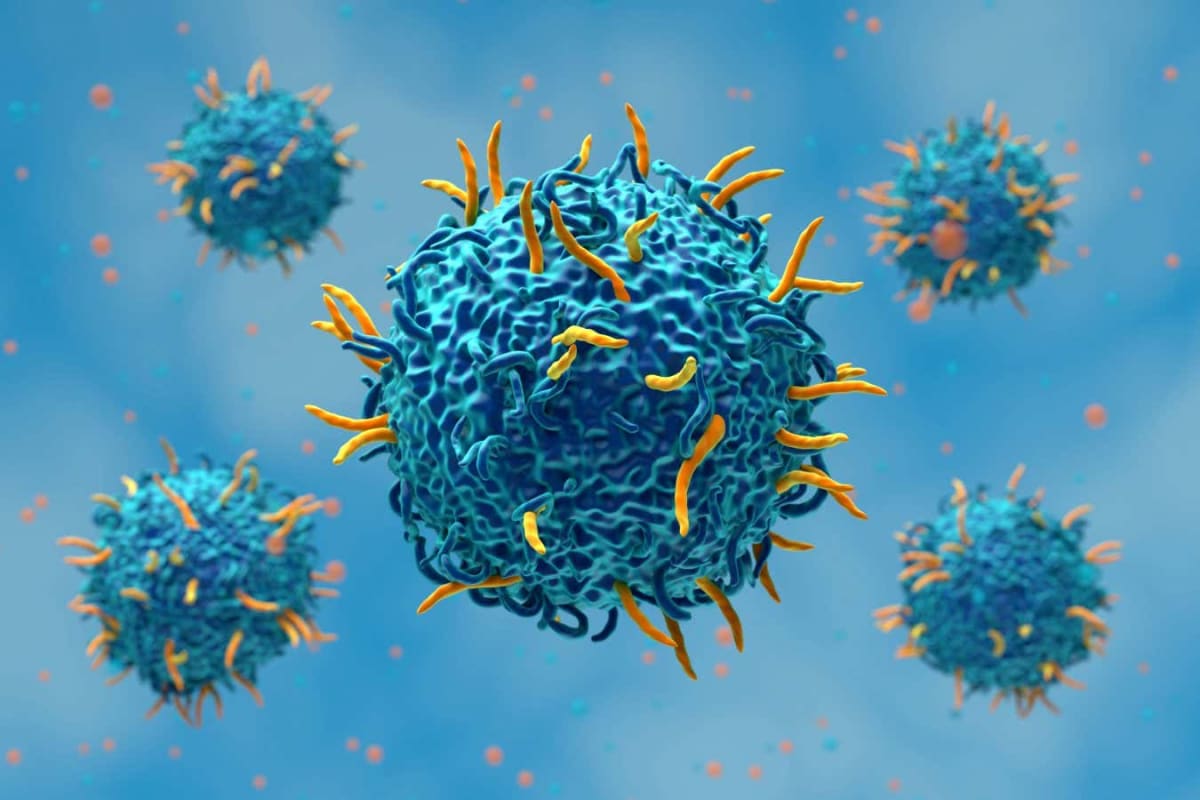
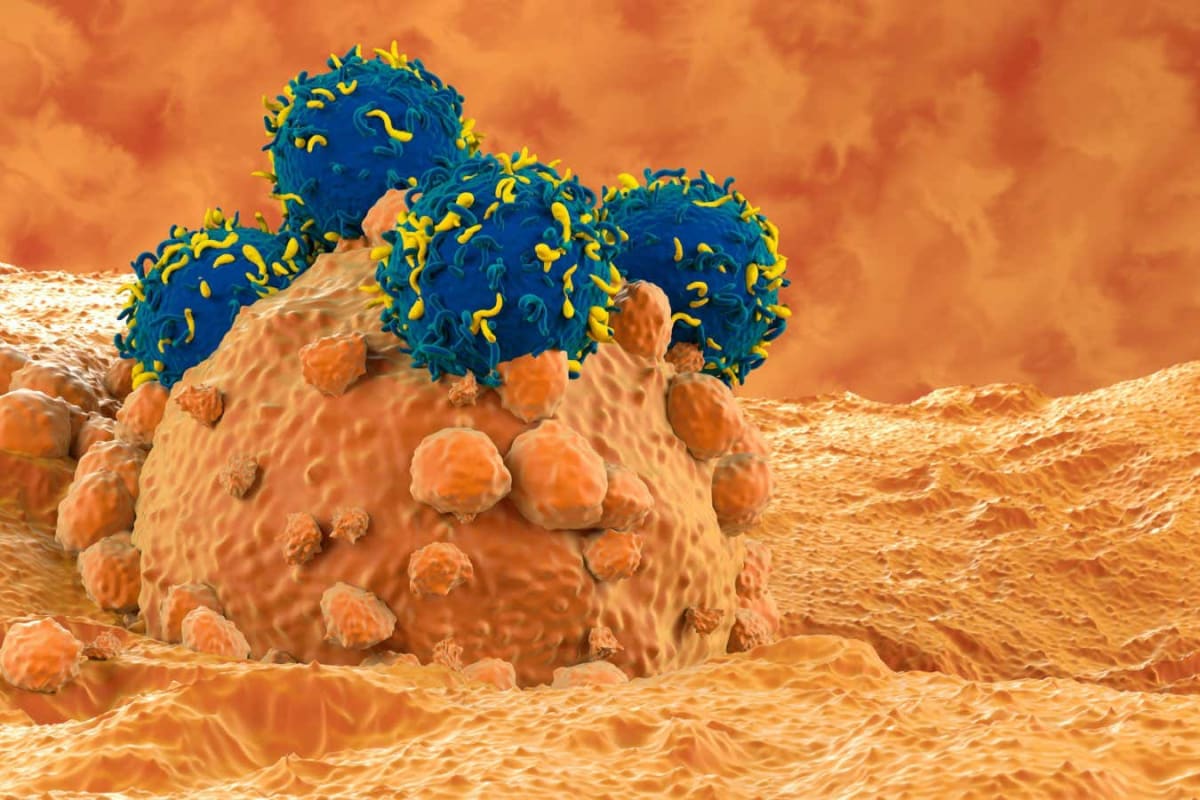
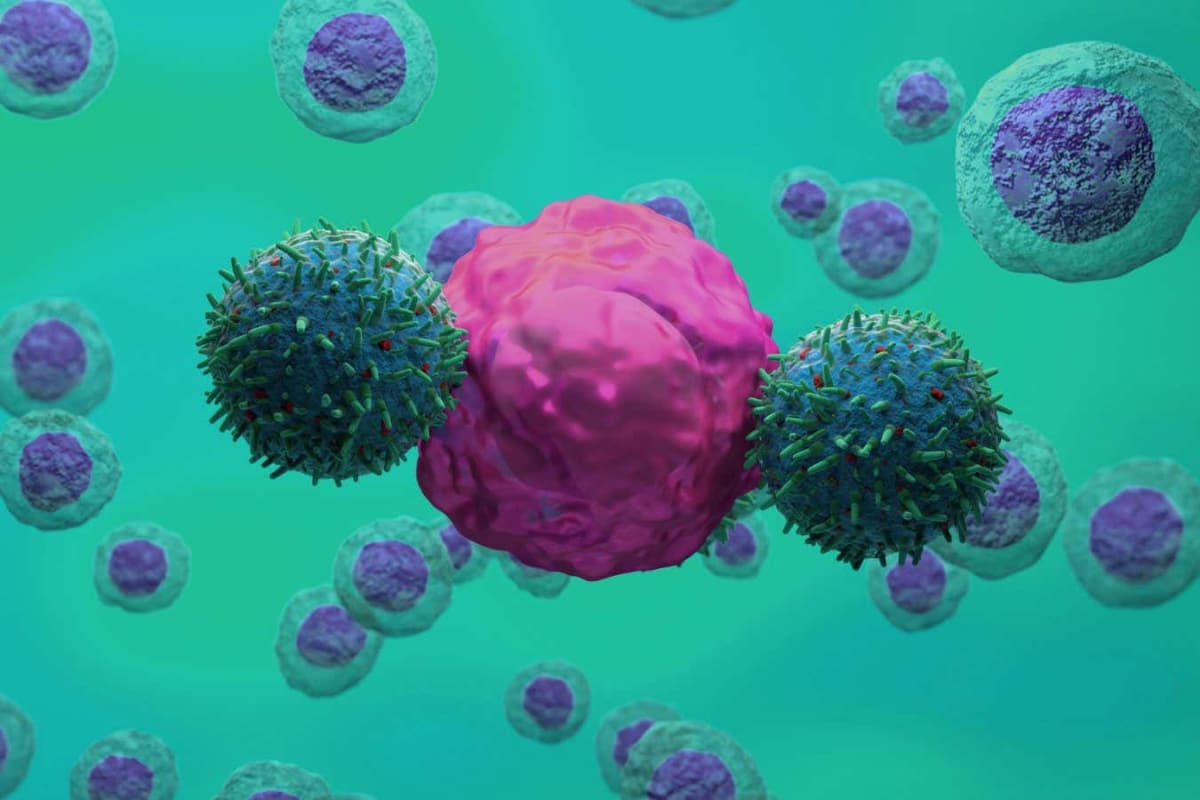
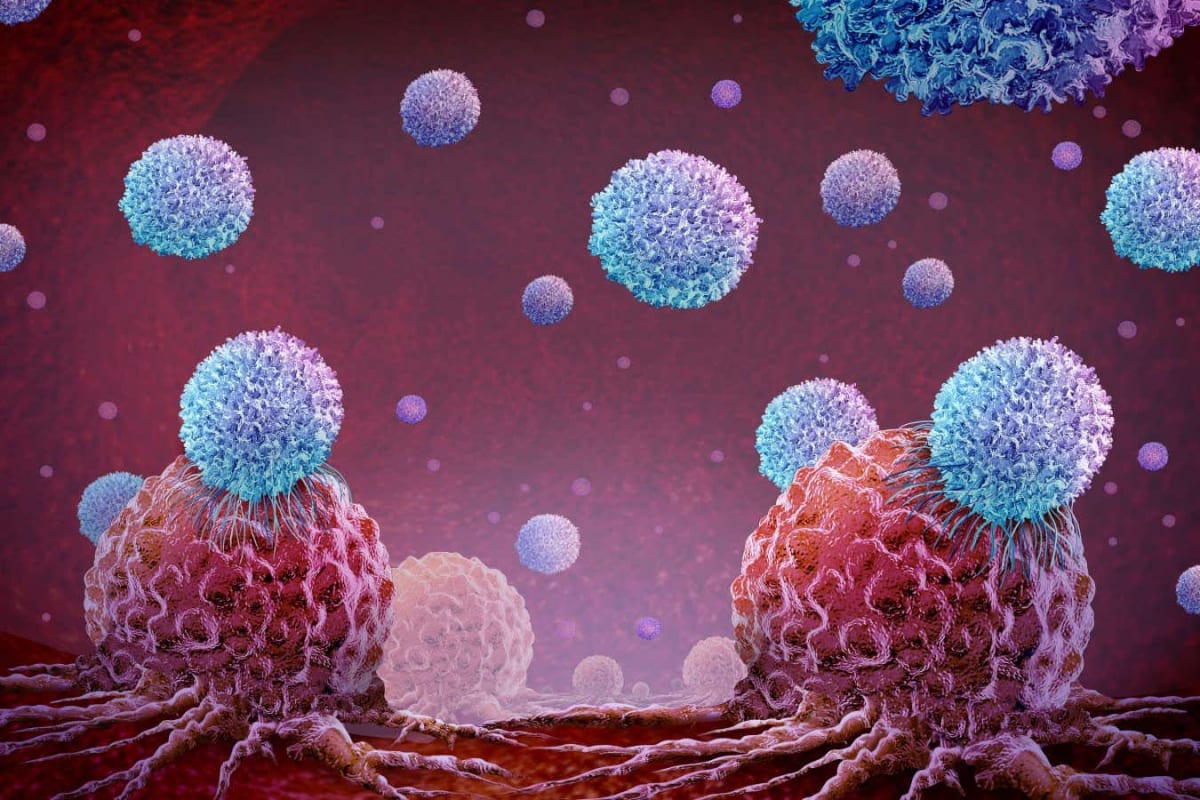
CAR T-cell therapy has emerged as one of the most effective weapons against certain cancers. The treatment works by removing a patient's immune cells, genetically engineering them to recognize and destroy cancer, then reinfusing them back into the body.
But there's a problem. The current process takes about three weeks and costs a fortune, putting it out of reach for most cancer patients worldwide. For people fighting aggressive cancers, those three weeks can mean the difference between getting treatment and becoming too sick to receive it.
Now researchers are turning to an unexpected ally: 3D printing. By using this technology to create artificial lymph nodes, scientists can produce these engineered cancer-fighting cells faster and for significantly less money.
"When you're treating very sick patients, some patients might never get the therapy because they've deteriorated so much in the three or so weeks it might take to make the CAR T therapy," says David Coe at CoED Biosciences, a biotechnology company based in Cardiff, UK.
The innovation addresses both major barriers at once. Faster production means critically ill patients won't miss their treatment window. Lower costs mean hospitals in more countries can offer this therapy to their patients.
The Ripple Effect
This isn't just about making one treatment more accessible. The 3D printing approach could transform how personalized medicine reaches patients around the world.
Currently, CAR T-cell therapy is primarily available at major medical centers in wealthy countries. The high cost and complex manufacturing process keep it beyond reach for most of the global population, even though the treatment can be remarkably effective against blood cancers like leukemia and lymphoma.
By democratizing access to this therapy, the technology could save thousands of lives that would otherwise be lost to cancers that already have a proven cure. Patients in developing nations, rural communities, and under-resourced medical systems could finally benefit from the same cutting-edge treatments available at elite cancer centers.
The speed improvement also matters for another reason: it gives hope to families watching their loved ones race against time. Every day counts when cancer is advancing, and cutting production time by even a week can make treatment possible for someone who might otherwise run out of time.
As this technology develops and scales up, we're moving closer to a future where your zip code or bank account doesn't determine whether you can access life-saving cancer treatment.
More Images
Based on reporting by New Scientist
This story was written by BrightWire based on verified news reports.
Spread the positivity!
Share this good news with someone who needs it