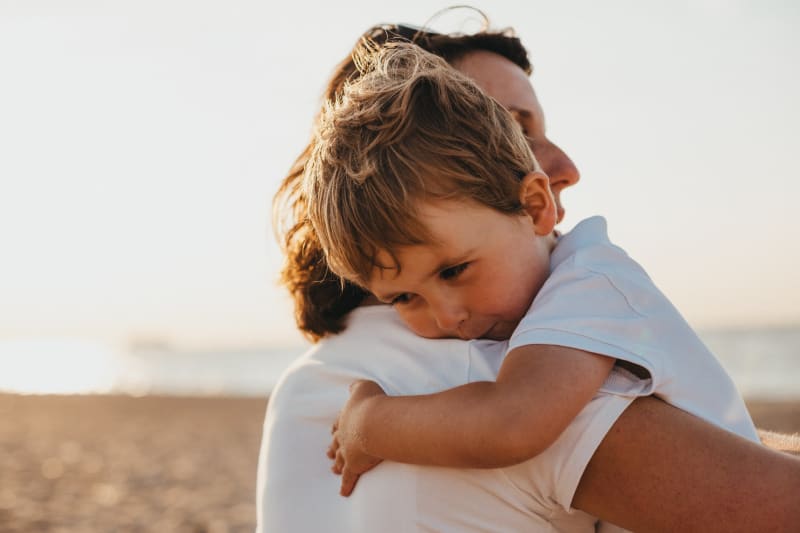
Why Sadness Helps Kids Grow Into Resilient Adults
Forget Blue Monday—scientists say sadness is actually essential for healthy child development. New research shows that experiencing and processing sadness builds empathy, resilience, and emotional intelligence in young people.
That uncomfortable feeling when your child is sad might actually be a gift in disguise.
Researchers are debunking the myth of "Blue Monday" while highlighting something far more important: sadness plays a vital role in helping children develop into emotionally healthy adults. The pseudoscience concept of the "saddest day of the year" was actually invented by a travel agency in 2005 as a marketing ploy, but the conversation it sparks reveals something crucial about how we handle difficult emotions.
From a very early age, children learn that expressing sadness can gain them the support of parents and caregivers. This emotional communication is much more effective than other emotions in getting attention and comfort, teaching kids how to ask for help when they need it.
Sadness also helps children readjust goals after failure, allowing them to modify their approaches and expectations when facing setbacks. It drives introspection processes that let kids reflect on what they feel, their values, and how they relate to others.
The emotional development goes even deeper. Experiencing sadness contributes to moral growth, as emotions linked to loss, disappointment and injustice help children build their sense of right and wrong. Recent studies found that experiencing sadness is linked to an increased ability to put oneself in another's shoes.
How adults respond makes all the difference. A warm, sensitive and caring family environment benefits emotional development, while tense, cold and critical interactions hinder it. Children who feel supported not only experience sadness less intensely, but also develop greater confidence to cope with it.
The Bright Side
When children learn strategies for coping with difficult emotions like talking, asking for help, and putting their feelings into words, they acquire internal resources that enable them to face future challenges. This resilience translates into stronger self-esteem and a more realistic and confident perception of their own abilities.
The research carries an important warning about commercial messages that present products or experiences as solutions to sadness. When young people are told that negative emotions can be combated through shopping or digital distractions, it weakens their ability to recognize, understand and manage what they feel.
School and social environments are also key. The emotional models that determine the quality of conversations and availability of support shape the way a child interprets and expresses sadness throughout their life.
Giving children spaces where they can feel heard, supported and understood as they navigate all their emotions is one of the most powerful gifts adults can offer.
More Images


Based on reporting by Medical Xpress
This story was written by BrightWire based on verified news reports.
Spread the positivity!
Share this good news with someone who needs it