Why Smart Writers Are Adding Typos to Beat AI Suspicion
Perfect writing now triggers AI suspicion, leading job seekers and students to add deliberate errors as proof a real human wrote their work. It's a strange twist in how we prove authenticity in the age of artificial intelligence.
When a talented writer received feedback that her polished work "read like AI," something shifted in how we think about good writing. Being too clear, too fluent, too perfect has become a liability rather than a badge of skill.
The rise of AI writing tools has created an unusual problem. The very qualities that once proved expertise—clarity, precision, well-crafted sentences—now raise red flags for reviewers, hiring managers, and teachers wondering if a machine did the work.
Studies show that neither humans nor AI tools can reliably spot the difference between human and machine writing. Universities that rushed to adopt AI detection software have quietly abandoned it after concerns about false accusations mounted.
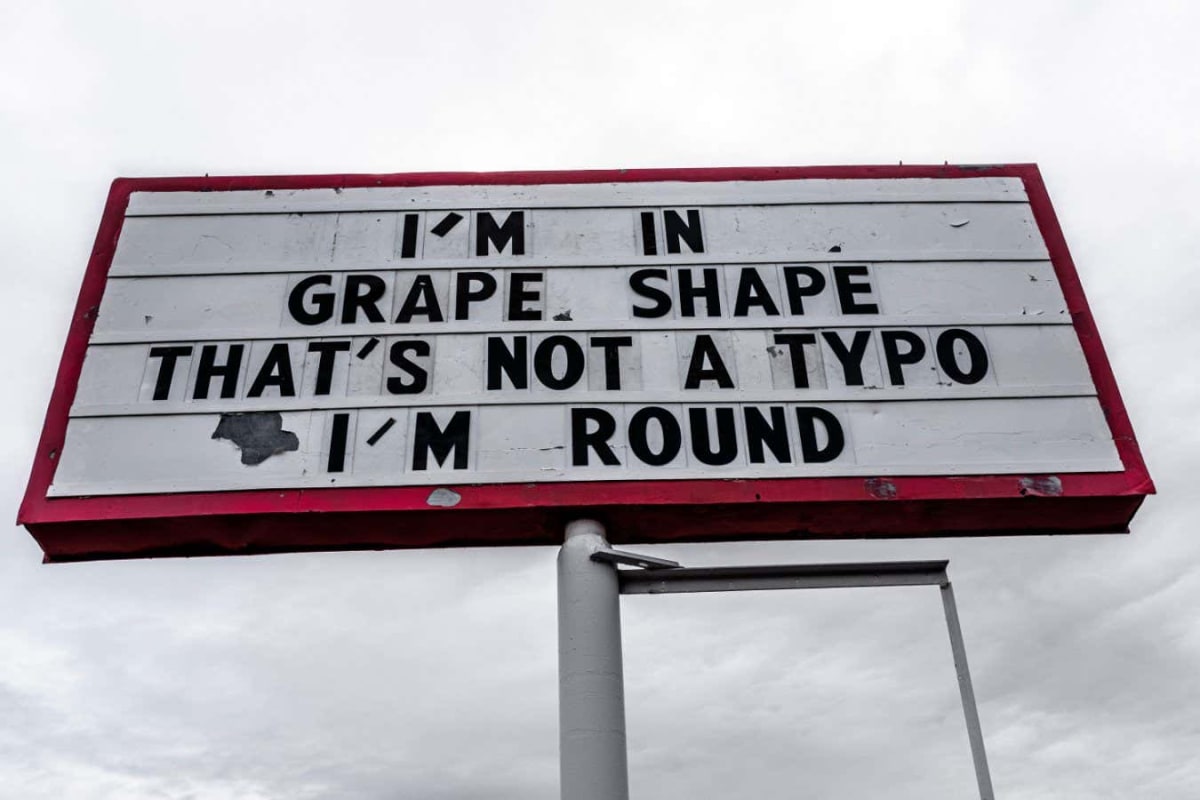
This uncertainty has led writers to an ironic solution: making their work slightly imperfect on purpose. A repeated word here, a minor grammatical slip there, or a slightly awkward phrase now serve as credentials proving a real person wrote the text.
Career coaches are already advising job applicants to include a single deliberate typo in cover letters. Students are learning to leave their work slightly rough around the edges. The defect has become the proof of authenticity.
Surprisingly, Alan Turing suggested this strategy back in the 1950s—though he was advising machines to add typos to appear more human. The tables have turned in ways he couldn't have imagined.
Why This Inspires
This strange moment reveals something hopeful about human adaptability. Rather than surrendering to AI suspicion or abandoning their skills, writers are finding creative ways to navigate new challenges.
The situation also highlights a broader truth: authenticity still matters deeply to us. People care enough about real human connection and effort that they're actively seeking ways to identify it, even if current methods are imperfect.
Some institutions are exploring better solutions. Certain universities now allow AI use in exams but require students to submit their prompts as part of the assessment, shifting focus from detection to understanding how tools are used.
This approach points toward a future where the skill isn't avoiding AI but using it thoughtfully and transparently. Face-to-face assessments, real-time explanations, and open discussions about AI assistance may replace the cat-and-mouse game of detection.
The currency of deliberate errors won't last long—once imperfection becomes a recognized signal, AI systems will learn to imitate it convincingly. But this awkward transition phase shows humans constantly adapting to maintain what matters most: genuine connection and trust.
The path forward remains uncertain, but one thing is clear: our desire for authenticity will outlast any tool designed to fake it.
More Images

Based on reporting by New Scientist
This story was written by BrightWire based on verified news reports.
Spread the positivity!
Share this good news with someone who needs it