Why Venus and Jupiter Meet So Often Protects Life on Earth
Every year, Venus and Jupiter appear to nearly touch in our night sky—and scientists say this cosmic dance is actually a sign that Earth's orbit is perfectly arranged for life. Our solar system's rare "flat pizza" shape keeps planets stable and our climate livable.
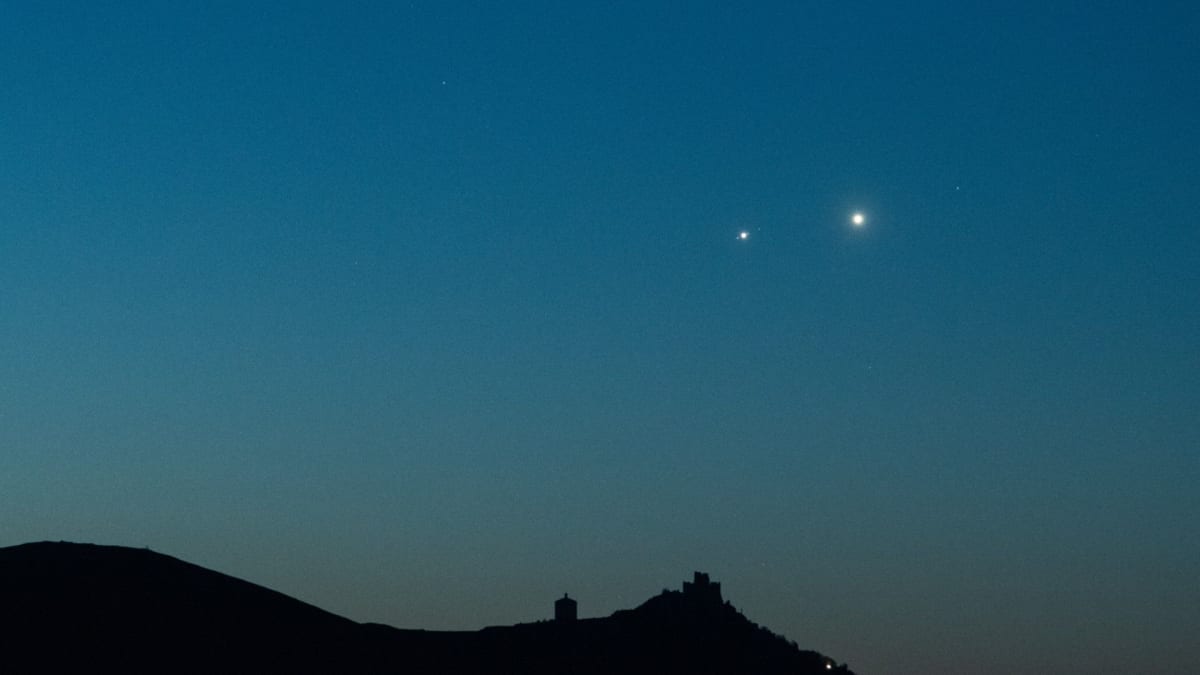
The next time you see Venus and Jupiter gleaming side by side in the evening sky, you're witnessing something far more special than a pretty celestial show. You're seeing evidence that Earth's home in space is perfectly arranged to support life.
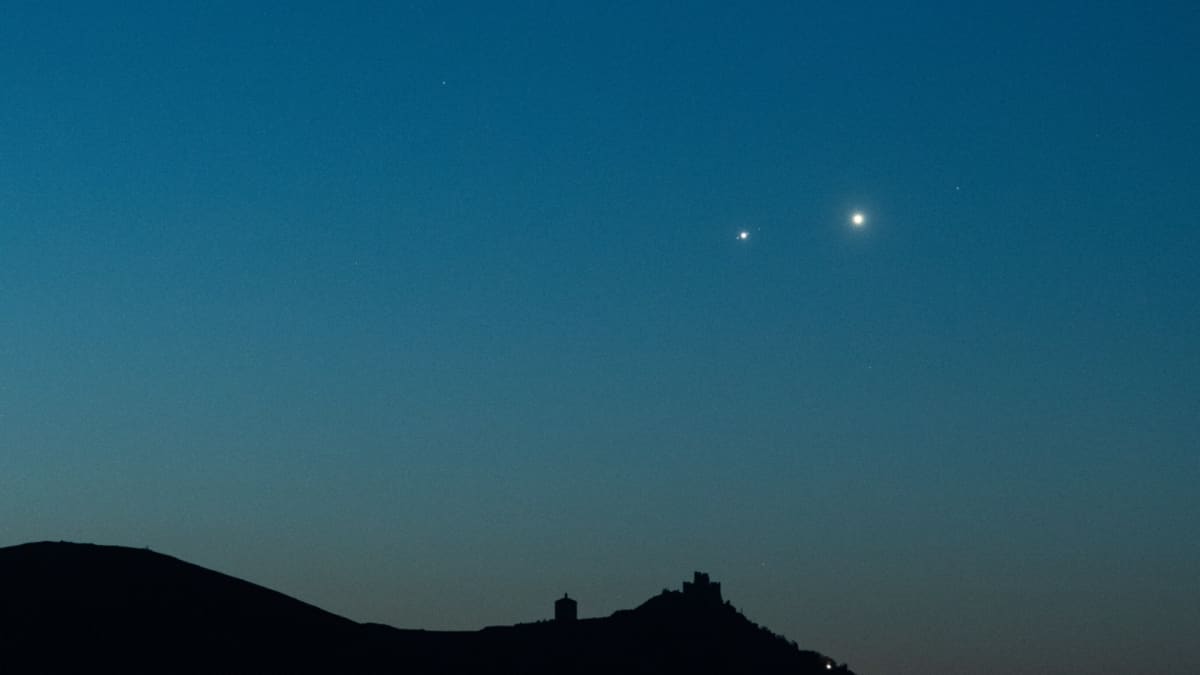
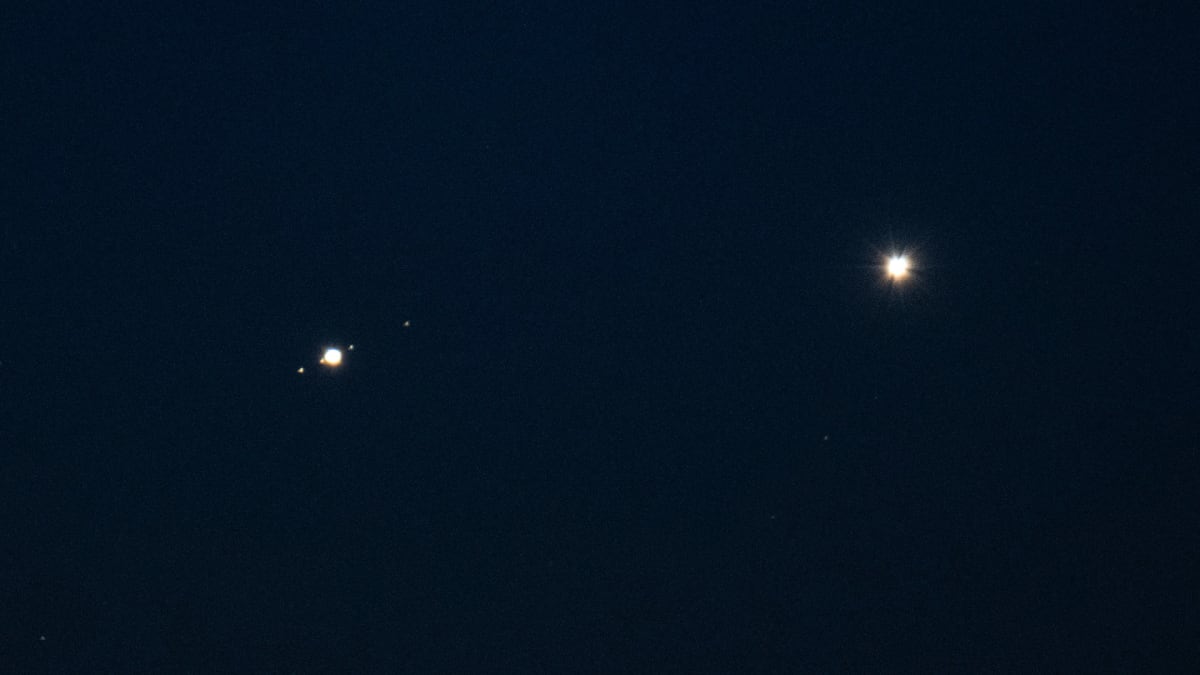
On June 9, the two brightest planets will appear incredibly close together just after sunset. This stunning sight, called a planetary conjunction, happens roughly once a year—and that regular occurrence tells scientists something remarkable about our corner of the universe.
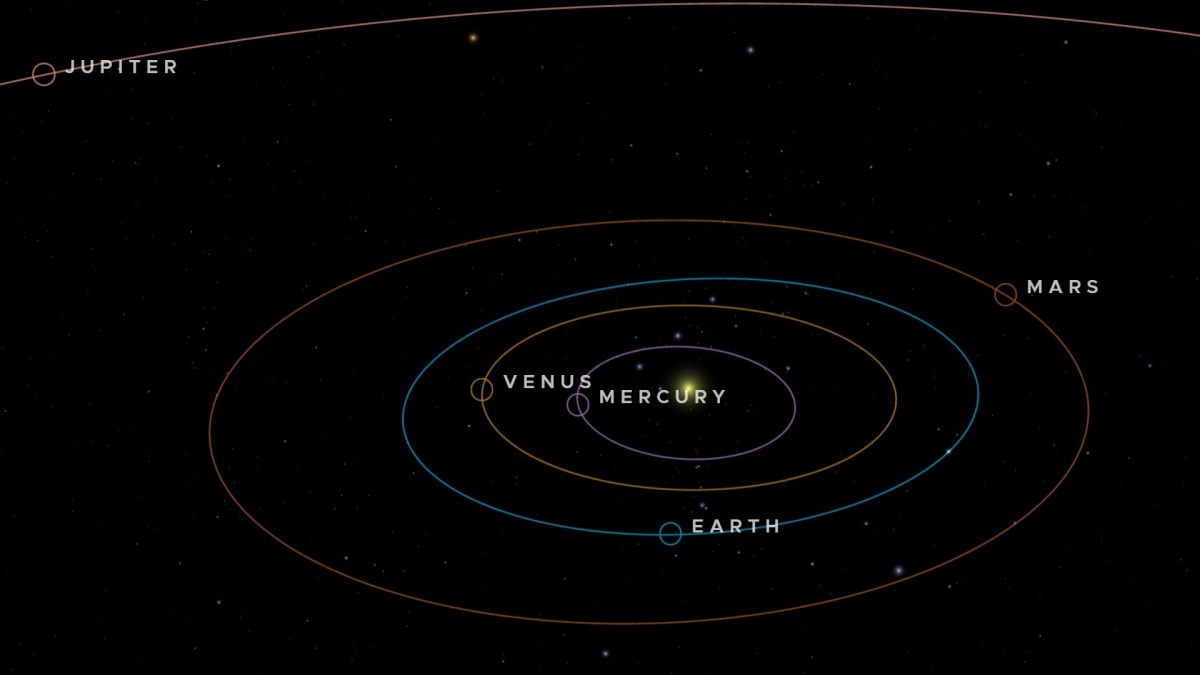
"The solar system is more like a pie of pizza," explains Kat Volk, a planetary scientist at the Planetary Science Institute in Arizona. Unlike many distant star systems where planets loop around in wild, tilted orbits, our planets travel in near-perfect circles on the same flat plane.
That flatness matters more than you might think. When our sun formed from a cloud of gas and dust billions of years ago, the leftover material spun into a flat disk where planets were born. Most of our planetary neighbors stayed in that disk, traveling together like cars on the same highway.
But not every solar system gets this lucky. Stars often form in crowded clusters where neighbors can knock baby planets into chaotic, tilted orbits. Our system avoided that fate, possibly because the giant planets migrated outward after forming, helping to balance everything out.
This peaceful arrangement is what scientists call "dynamically cold." Earth coasts through space at a steady distance from the sun, giving us stable seasons and temperatures year after year. If our orbit were stretched out or tilted dramatically, we'd experience wild swings in sunlight intensity that would make our current climate look tame.
Water, the essential ingredient for life as we know it, stays liquid on Earth's surface partly because of this orbital stability. We're always in the "Goldilocks zone"—not too hot, not too cold—throughout our entire year-long journey around the sun.
Why This Inspires
Scientists now realize that finding another Earth-like planet isn't just about checking boxes for water and the right temperature. The whole neighborhood matters. An exoplanet might sit at the perfect distance from its star but still get disrupted by tilted, unstable neighbors that throw everything off balance.
When Venus and Jupiter appear to meet in our sky, they're really separated by over 370 million miles. But from our perspective, they travel along the same celestial path, proof that we live in an orderly cosmic environment. Observers on planets around other stars might look up and see chaos—if they exist at all.
The regular planetary dance we enjoy isn't just beautiful—it's a reminder that countless factors had to align perfectly for life to flourish here.
More Images

Based on reporting by Space.com
This story was written by BrightWire based on verified news reports.
Spread the positivity!
Share this good news with someone who needs it