Wild California condors care for first egg in 100 years
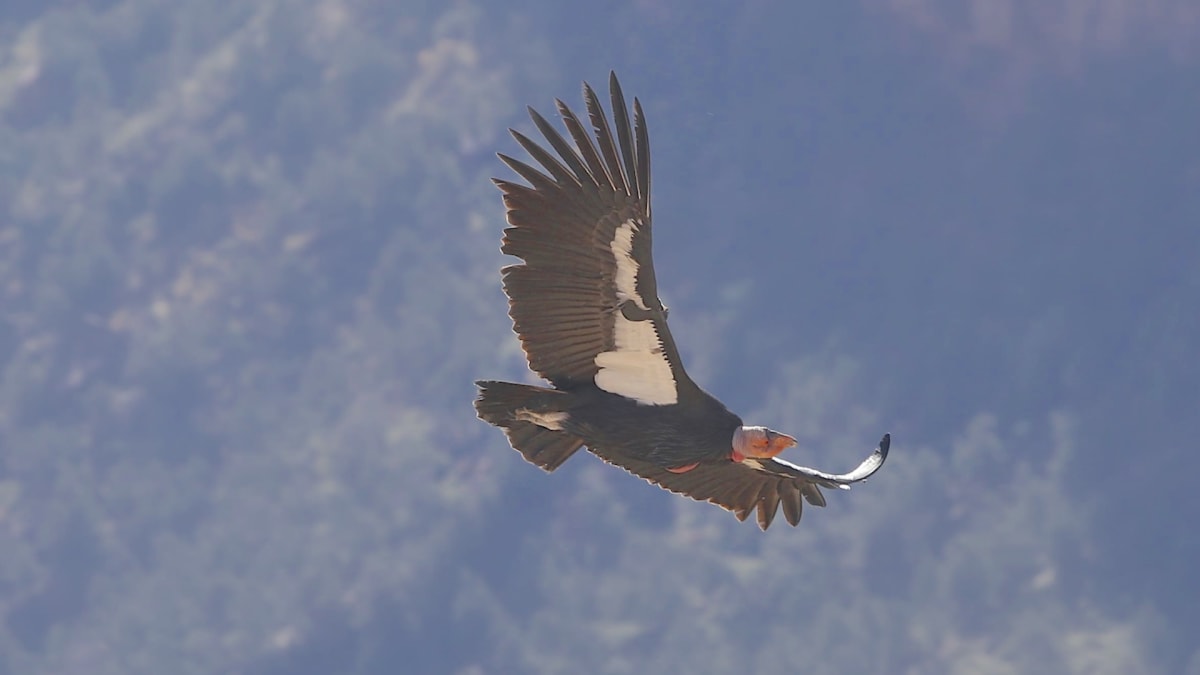
A pair of California condors in Northern California are tending to the region's first wild condor egg in over a century, marking a stunning milestone for a species that nearly vanished. With only 22 birds remaining in 1982, today's moment shows how far these magnificent creatures have come.
For the first time in more than 100 years, California condors are caring for a wild egg in Northern California, and scientists can barely contain their excitement.
The two parent birds, affectionately named "She carries our prayers" and "At last I fly" by the Yurok Tribe, have been spotted taking turns incubating their egg. The incubation period will last just under two months, and researchers are watching closely with cautious hope.
"I have been waiting for this moment since the first condors arrived in 2022," said Tiana Williams-Claussen, Yurok Wildlife Department Director. "As a scientist, I know I shouldn't get my hopes up too high, but that doesn't mean I can't cheer for these young parents' success."
The egg represents an incredible turnaround for California condors, whose population crashed to just 22 birds in 1982. Habitat loss and lead poisoning from hunters' ammunition brought these majestic scavengers to the edge of extinction.
A captive breeding program rescued the species by temporarily removing all wild birds and raising them in protective environments. After years of careful work, conservationists began releasing condors back into Southern California, where populations started to recover.
The 26 condors released in Humboldt County in 2022 are the newest chapter in this comeback story. At nearly seven years old, the two parent birds hit sexual maturity right on schedule at age six and are now equipped with GPS trackers so scientists can monitor their progress.
These birds can live over 50 years, which means this young pair will have many more chances to raise chicks. Both parents share incubation and chick-rearing duties equally, working as a team to give their offspring the best shot at survival.
The Ripple Effect
This single egg carries meaning far beyond one bird family. It proves that California condors can successfully reproduce in the wild without human intervention, a crucial test for any recovering species.
The northern flock's success also demonstrates that conservation programs can work when communities commit to protecting wildlife. The Yurok Tribe's leadership in monitoring and supporting these birds shows how indigenous knowledge and modern science can create powerful results together.
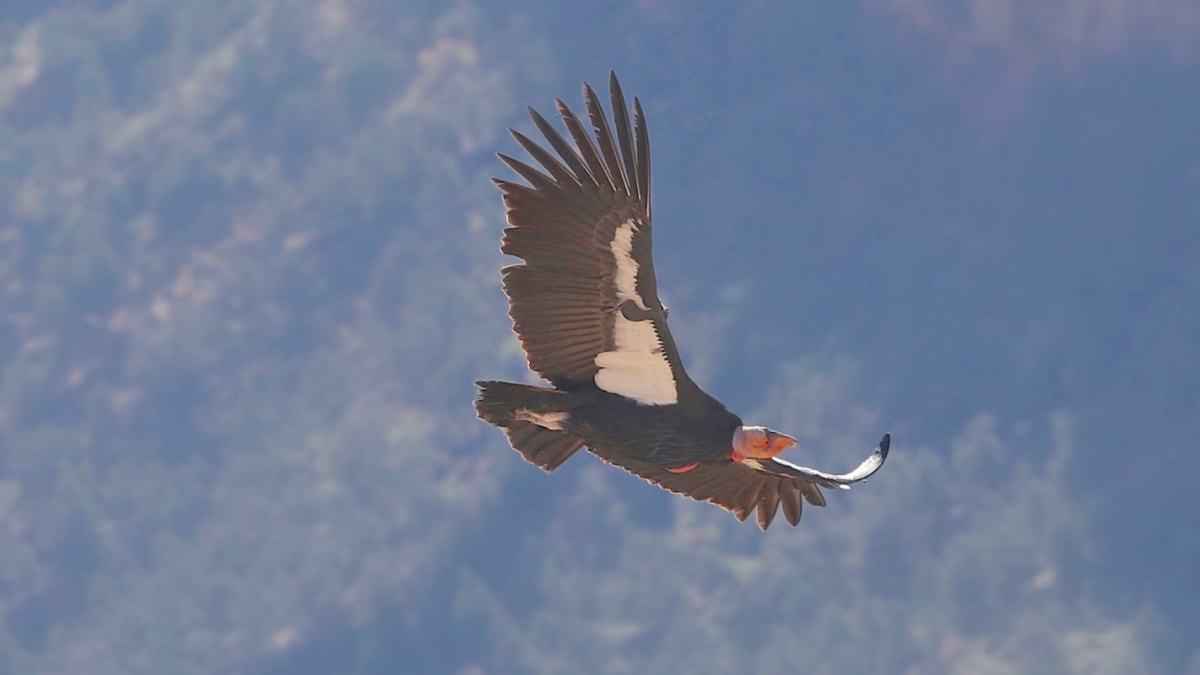
With wingspans reaching nearly 10 feet, California condors are among North America's most impressive birds. Watching them soar freely again after nearly disappearing forever reminds us that even our biggest environmental challenges aren't hopeless.
Lead poisoning remains a threat despite California's ban on lead ammunition, but natural reproduction gives scientists hope that wild populations can sustain themselves. Each successful hatching strengthens the species' chances of long-term survival.
"This is a huge moment for our Northern California flock," said Chris West, Northern California Condor Restoration Program manager. In two months, that egg could crack open to reveal the next generation of wild condors soaring over Humboldt County.
More Images



Based on reporting by Google: species saved endangered
This story was written by BrightWire based on verified news reports.
Spread the positivity!
Share this good news with someone who needs it