Wild Gardens Boost Wildlife in NYC, Expert Says
An ecological horticulturist is flipping traditional gardening on its head with a simple message: messy gardens are better for nature. Her work in New York City proves that letting plants grow wild can create thriving habitats for birds, bees, and butterflies, even in urban spaces.
What if the secret to a healthier garden is doing less work?
Rebecca McMackin, an ecological horticulturist working in the heart of New York City, has a message that might surprise traditional gardeners. The pristine, perfectly manicured gardens many people strive for are actually the opposite of what wildlife needs to thrive.
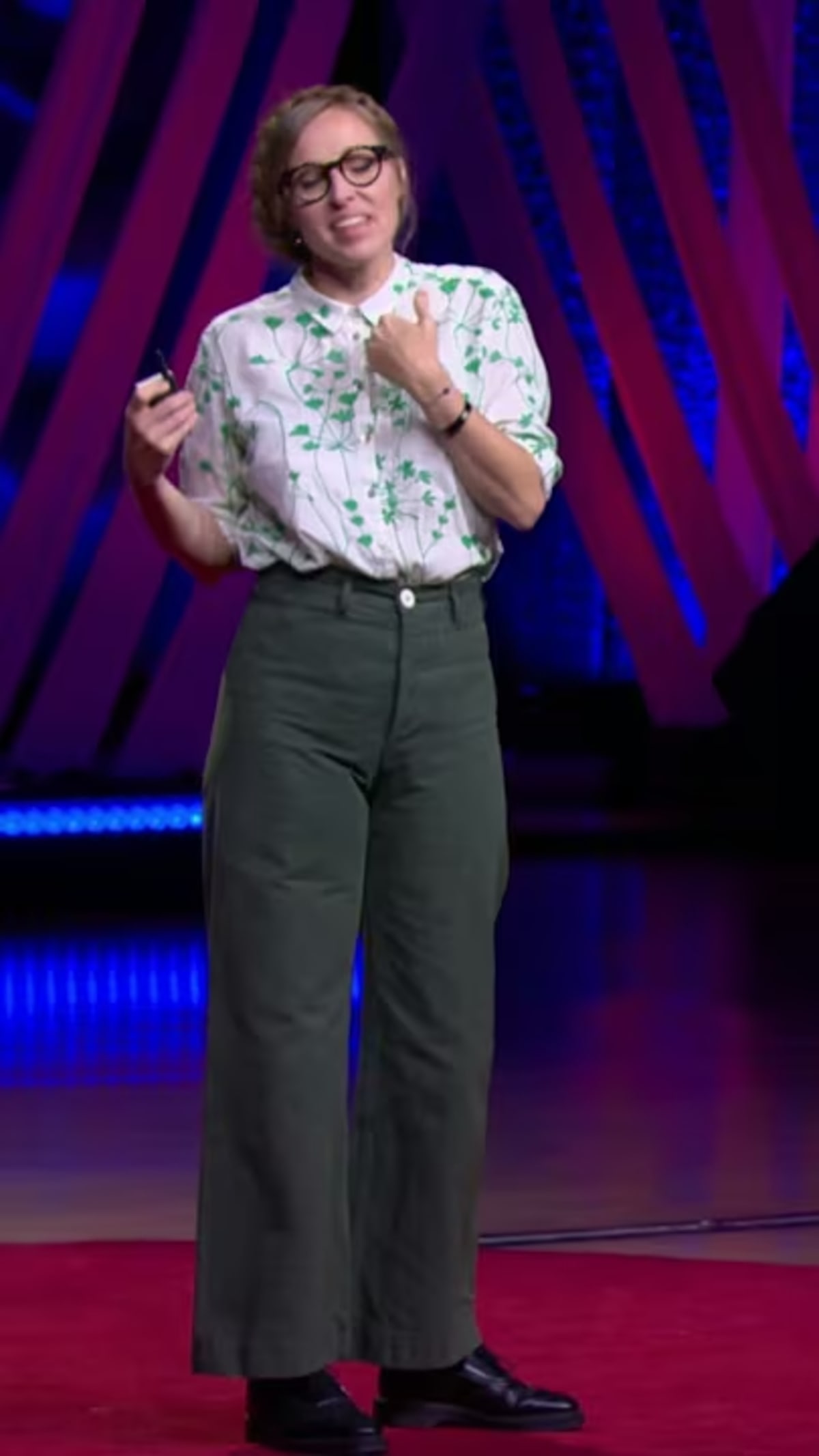
McMackin shared her approach in a recent TED talk, explaining how she's successfully increased biodiversity by letting gardens run wild. Instead of constant pruning, weeding, and tidying, she advocates for a messier, more natural approach that welcomes native plants and the creatures they support.
Her results speak for themselves. Even in one of the world's most urbanized environments, McMackin has created thriving ecosystems that attract birds, bees, butterflies, and other pollinators. These wild gardens provide crucial food sources, shelter, and breeding grounds that traditional landscaping simply can't offer.
The approach is surprisingly simple. By choosing native plants and resisting the urge to keep everything perfectly neat, gardeners can create mini wildlife sanctuaries in their own backyards. Dead plant stems left standing over winter become homes for beneficial insects. Leaf litter provides shelter for overwintering butterflies and food for birds searching for hidden bugs.
The Ripple Effect
McMackin's work demonstrates how individual gardening choices can create significant environmental impact. As urban areas continue to expand, these wild gardens become increasingly important refuges for struggling pollinator populations. Every messy garden becomes a stepping stone in a larger network of habitats that help wildlife move through otherwise inhospitable concrete landscapes.
The timing couldn't be better. Pollinator populations have been declining worldwide, and traditional suburban lawns offer virtually nothing for struggling bee and butterfly species. By contrast, wild gardens packed with native flowers and grasses can support dozens of species in even the smallest urban plots.
McMackin offers practical tips for anyone wanting to start their own wild garden, emphasizing that you don't need to be an experienced gardener. The beauty of this approach is that it requires less maintenance, not more, while delivering greater ecological benefits.
The message is clear: sometimes the best thing we can do for nature is simply get out of its way and let it flourish.
Based on reporting by TED
This story was written by BrightWire based on verified news reports.
Spread the positivity!
Share this good news with someone who needs it