Wild Leopards Return to Chinese Cities After Decades Away
Wildlife is making a stunning comeback across China, with snow leopards appearing in city warehouses and roe deer returning to Beijing's forests. Conservation efforts are working, and animals are learning to thrive alongside humans in ways experts never expected.
A snow leopard walked into a warehouse in downtown Xining at 1:30 am, captured perfectly on surveillance cameras. Workers arriving for their morning shift found the young male resting inside, triggering a careful rescue operation that ended with the animal safe at a wildlife center.
This February 2026 encounter wasn't a fluke. Since 2020, wild snow leopards have appeared in three mountainous areas surrounding Xining, with mothers and cubs photographed living surprisingly close to urban zones.
The pattern is repeating across China. Roe deer, absent from Beijing for decades, now appear regularly in the city's western forests, with cameras recording a breeding pair in August 2026. Giant pandas wander into village compounds. Rare owls nest in urban parks where they've never been seen before.
The shift marks a dramatic reversal. For years, China's rapid urban growth pushed wildlife into ever-shrinking habitats. Now conservation efforts and greener city planning are bringing animals back.
"Cities are becoming more ecologically friendly, while wildlife is rapidly learning how to use urban environments," explains Wang Fang, a professor at Fudan University's School of Life Sciences. Urban parks, green corridors, and protected wetlands create pathways and habitats that didn't exist before.
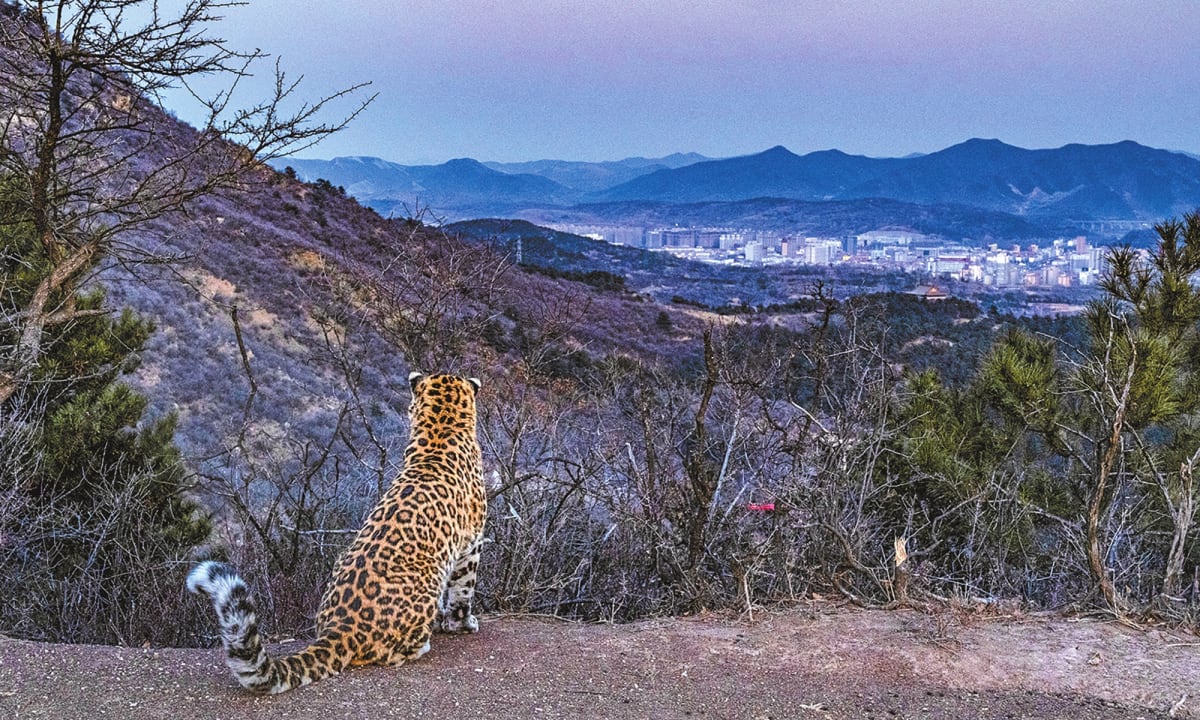
One young North China leopard traveled over 60 kilometers across five mountain ridges, passing through more than 10 villages and crossing three roads before settling near a county town in Shanxi Province. Trail cameras documented his entire journey through a landscape shared with millions of people.
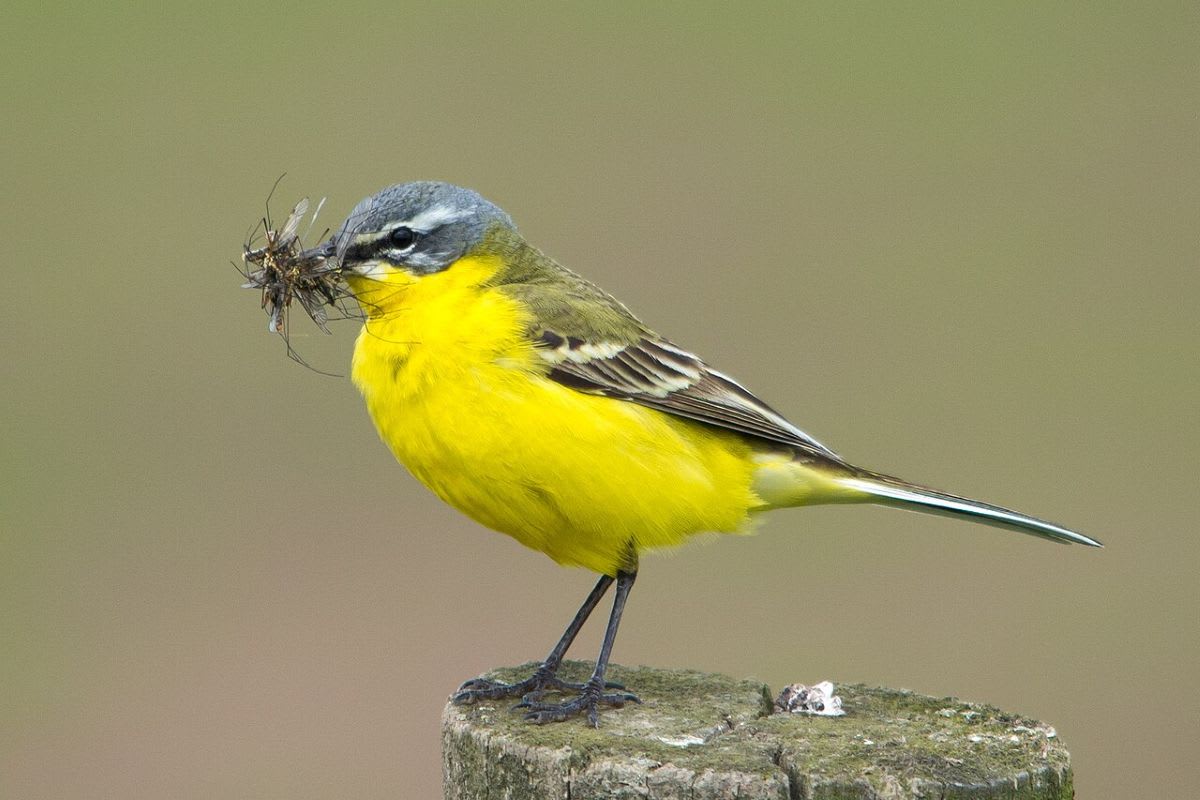
Beijing's improved water quality brought plumbeous water redstarts to the CBD near Guomao Bridge this year. The species typically lives near mountain streams, making their downtown appearance a clear indicator of ecological recovery.
The Ripple Effect
The wildlife comeback creates unexpected opportunities for coexistence. When a giant panda named Xiyue entered a Shaanxi village and started eating honey in June 2025, one resident told her husband not to chase the animal away, even if it knocked over their barrels. She called wildlife protection staff instead.
Beijing Normal University's raptor rescue center now handles more urban owl rescues than ever before. Species like Eurasian eagle-owls, little owls, and Oriental scops-owls appear in city neighborhoods with increasing frequency. Red-billed blue magpies and woodpeckers have become regular visitors.
The trend suggests that decades of habitat restoration, pollution reduction, and wildlife protection are paying dividends beyond what scientists predicted. Green belts connecting parks create wildlife corridors. Cleaner rivers support more fish and birds. Protected forests allow populations to recover and expand.
Experts now focus on managing the new reality of wild neighbors. Rescue centers prepare for more urban encounters. Cities design green spaces with wildlife movement in mind. Communities learn when to watch from a distance and when to call for help.
China's wildlife is voting with its feet, and the verdict is clear: cities can be part of nature's recovery story.
Based on reporting by Google News - Wildlife Recovery
This story was written by BrightWire based on verified news reports.
Spread the positivity!
Share this good news with someone who needs it