Wildfire Mystery Solved: Why Some Creeks Flow Stronger
Scientists at UBC Okanagan have cracked the code on why some streams carry more water after wildfires, revealing crucial insights for communities managing water during droughts. The discovery helps explain a puzzling phenomenon that could reshape how we plan for fire-affected watersheds.
After a wildfire tears through a forest, something unexpected happens to the streams below. They flow stronger during the driest months of summer, and scientists finally understand why.
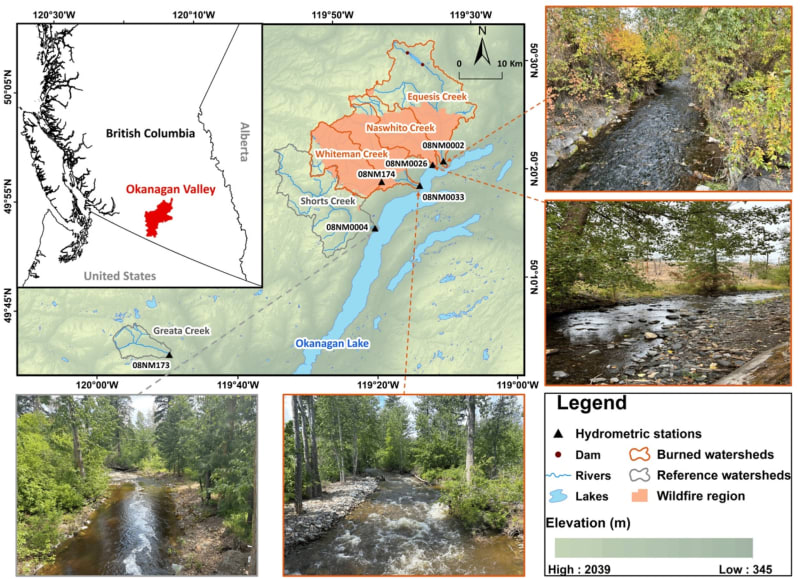
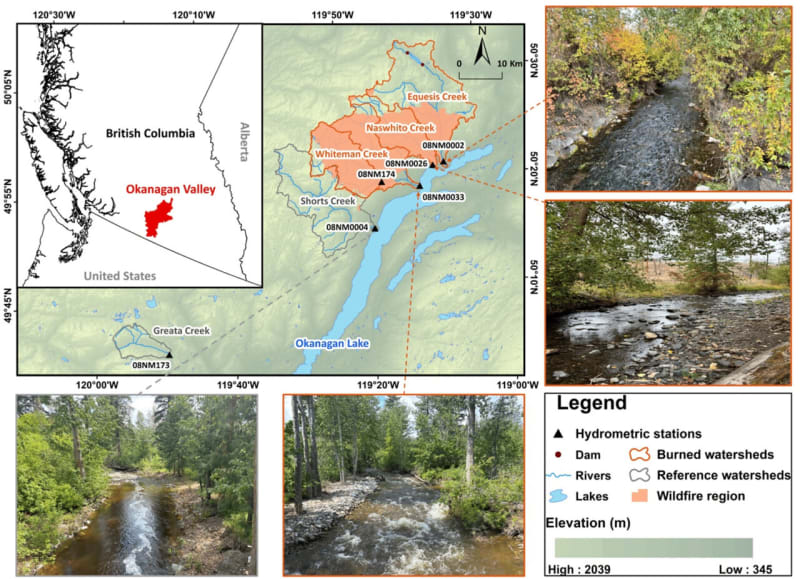
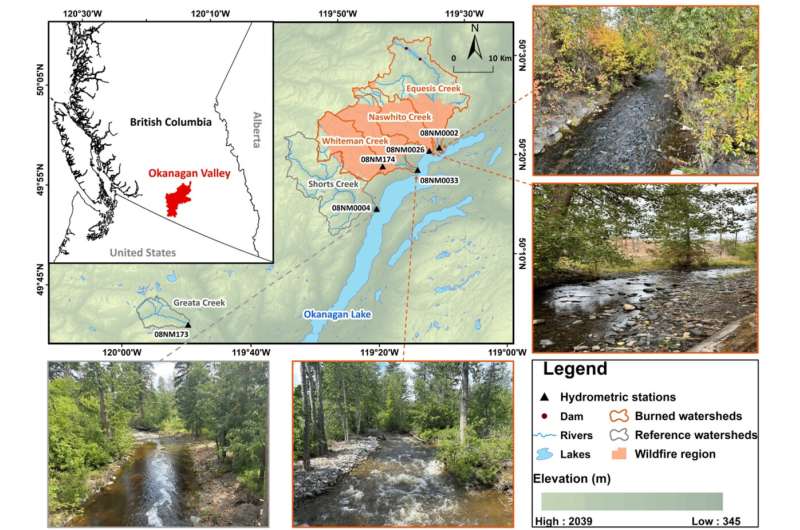
Researchers at UBC Okanagan studied creeks in British Columbia's Okanagan Valley and discovered that burned watersheds carried more water between July and September than unburned areas. The key lies in what happens when trees disappear.
Without a forest canopy overhead, less water gets pulled back into the atmosphere through tree leaves. More snowmelt reaches streams and seeps into underground storage earlier in the year, creating a temporary boost to summer water levels when communities need it most.
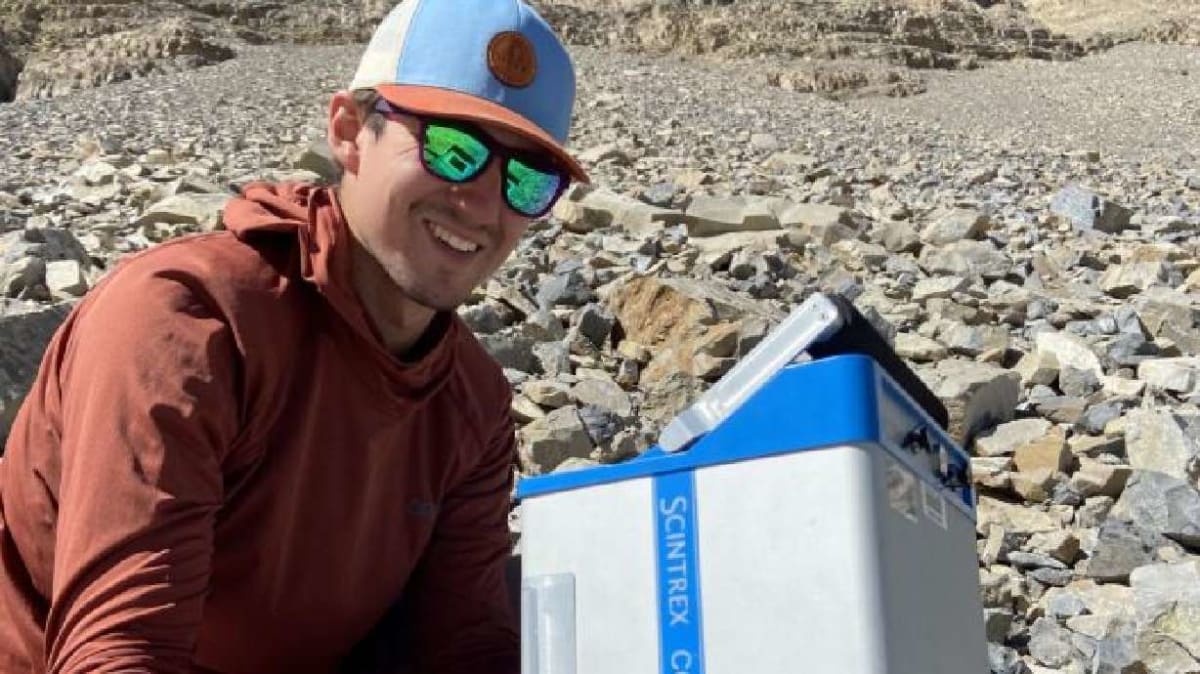
"This is the kind of study that helps move us from 'wildfire changes flow' to 'here's why, when and through which pathways,'" says Shixuan Lyu, the doctoral student who led the research. The team used chemical fingerprints in the water to trace exactly where it came from.
The findings matter because summer low flows determine how much water is available for drinking, irrigation, fish habitat and emergency response during heat waves. In a warming climate where wildfires are becoming more common, understanding these patterns helps communities plan better.
The Bright Side
This breakthrough gives water managers something they desperately need: concrete mechanisms to predict and plan around. Instead of guessing how a burned watershed will behave, communities can now make informed decisions about water allocation during recovery periods.
The research also highlights how every watershed responds differently to fire. What works for one community might not work for another, pushing managers toward tailored local strategies instead of one-size-fits-all approaches.
Dr. Adam Wei, the study's senior author, emphasizes that the increased flow is temporary. As forests regrow, they'll start pulling more water back into the atmosphere again. In some cases, water losses may eventually exceed what happened before the fire.
"This isn't a new source of water," Lyu explains. "It's a shift in timing and pathways, and those shifts don't last forever." The team published their findings in Forest Ecosystems, providing a roadmap for other researchers and water managers dealing with similar challenges.
The study combines years of stream measurements with innovative chemical analysis, showing how modern science can untangle complex environmental puzzles. As wildfires, extreme weather and water demand increasingly collide, this kind of detailed understanding becomes essential.
Understanding these temporary changes helps communities make the most of available water while planning for long-term recovery, turning wildfire aftermath into an opportunity for smarter water management.
More Images


Based on reporting by Phys.org - Earth
This story was written by BrightWire based on verified news reports.
Spread the positivity!
Share this good news with someone who needs it