Wildlife Cameraman Doug Allan's 40 Years in Polar Regions
Doug Allan spent decades waiting in freezing waters and polar darkness to capture nature's rarest moments for BBC's most beloved wildlife series. His patient fieldwork brought emperor penguins, polar bears, and underwater worlds into millions of homes.
The polar bear's breath fogs the camera lens. The orca pod glides beneath fractured ice. These intimate wildlife moments feel impossible, yet Scottish cameraman Doug Allan made them real through decades of patience in Earth's harshest places.
Allan didn't start as a filmmaker. Trained as a marine biologist and diver, he worked with the British Antarctic Survey in the early 1980s when a chance meeting with David Attenborough changed everything. He bought a camera, filmed emperor penguins in Antarctica, and sold the footage to the BBC.
That single sale launched a remarkable career. Allan became a principal cameraman on landmark series including The Blue Planet, Planet Earth, and Frozen Planet. His work helped define how millions of people came to understand remote ecosystems they'd never visit.
The secret wasn't just technical skill. Allan developed an intuition for animal behavior that let him get unusually close without causing alarm. He could anticipate movements and remain within range long enough to capture moments most people never witness.
The work demanded extraordinary patience. He might wait weeks for an animal to appear or return empty-handed after days of searching. Some of his most recognized sequences of polar bears emerging from dens or hunting on shifting ice required weeks of preparation in severe cold.
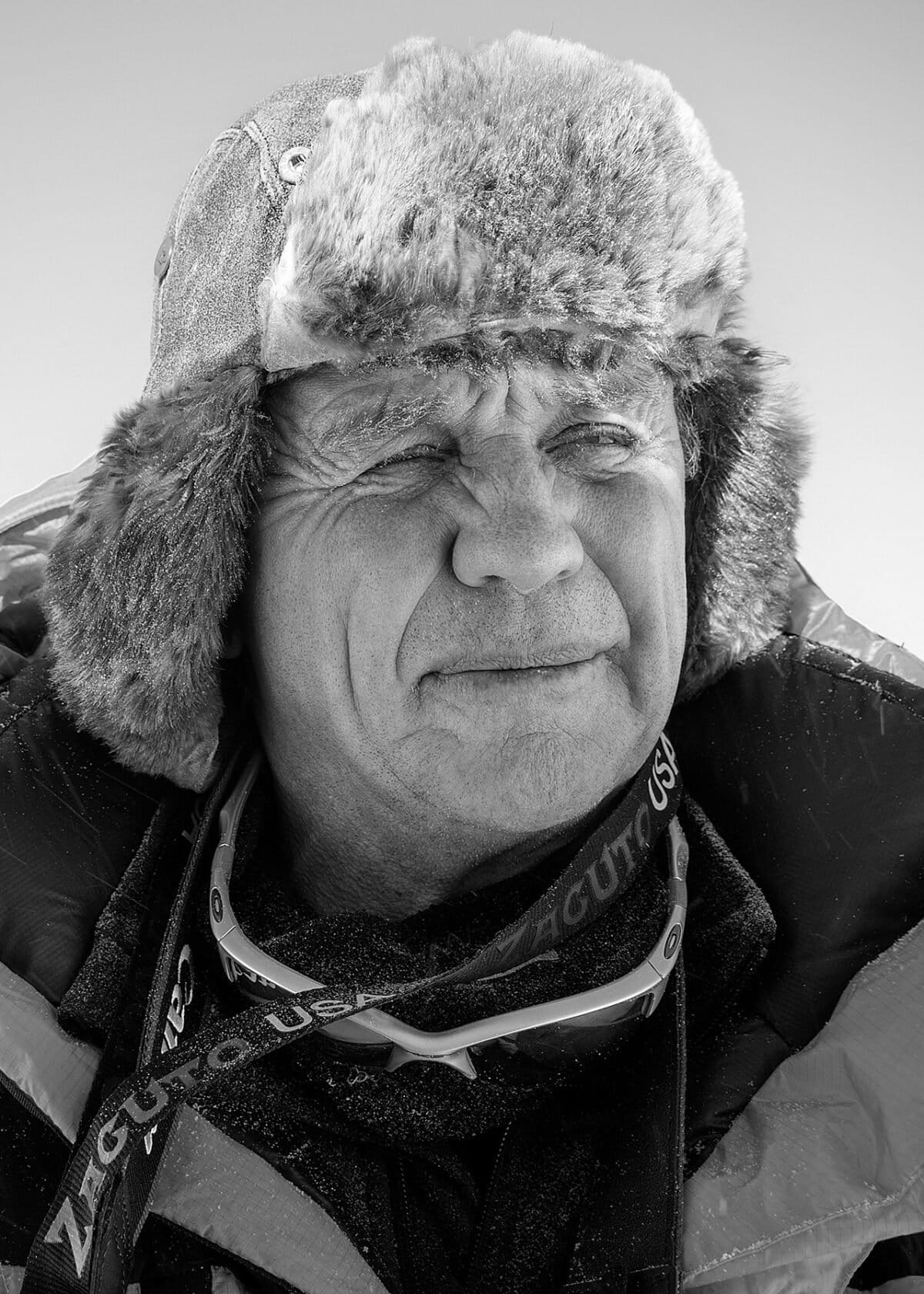
Allan embraced the constraints of extreme environments. You could only be in one place at a time, he explained. If you weren't there, you wouldn't get the shot. That philosophy kept him returning to polar regions for hundreds of days, often spending winters in near darkness.
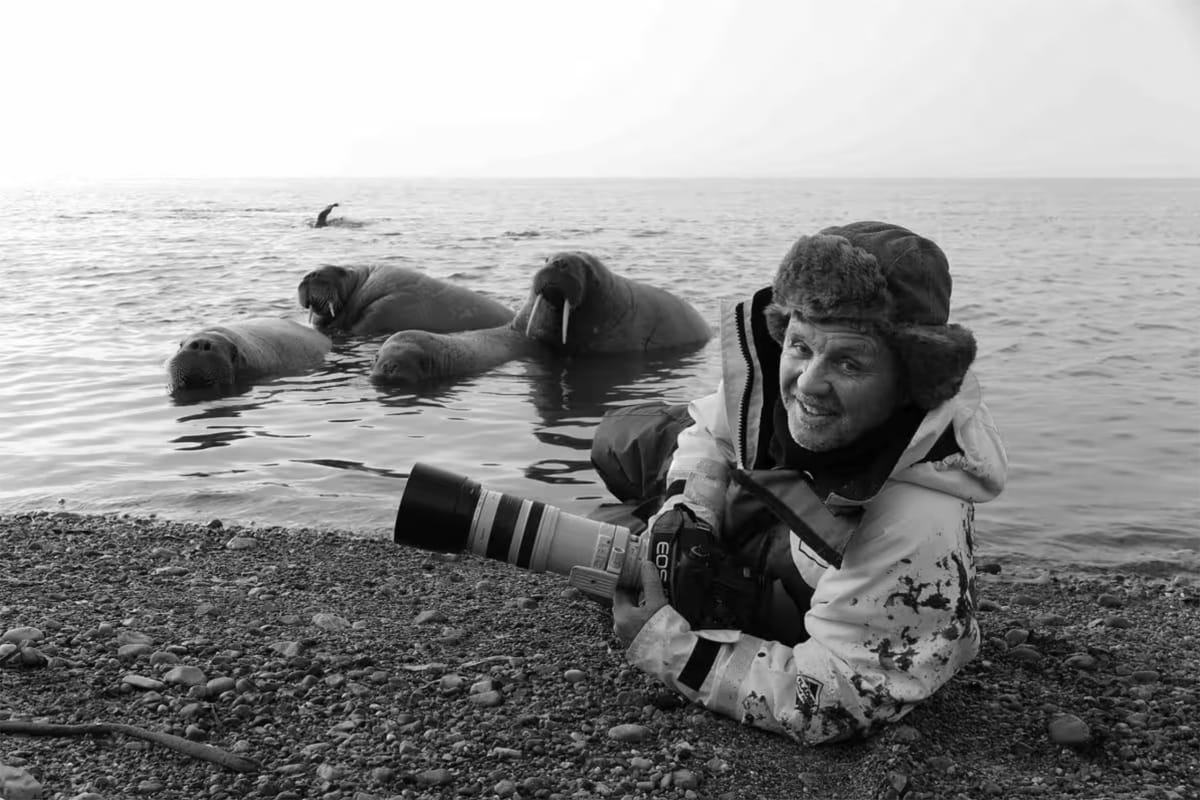
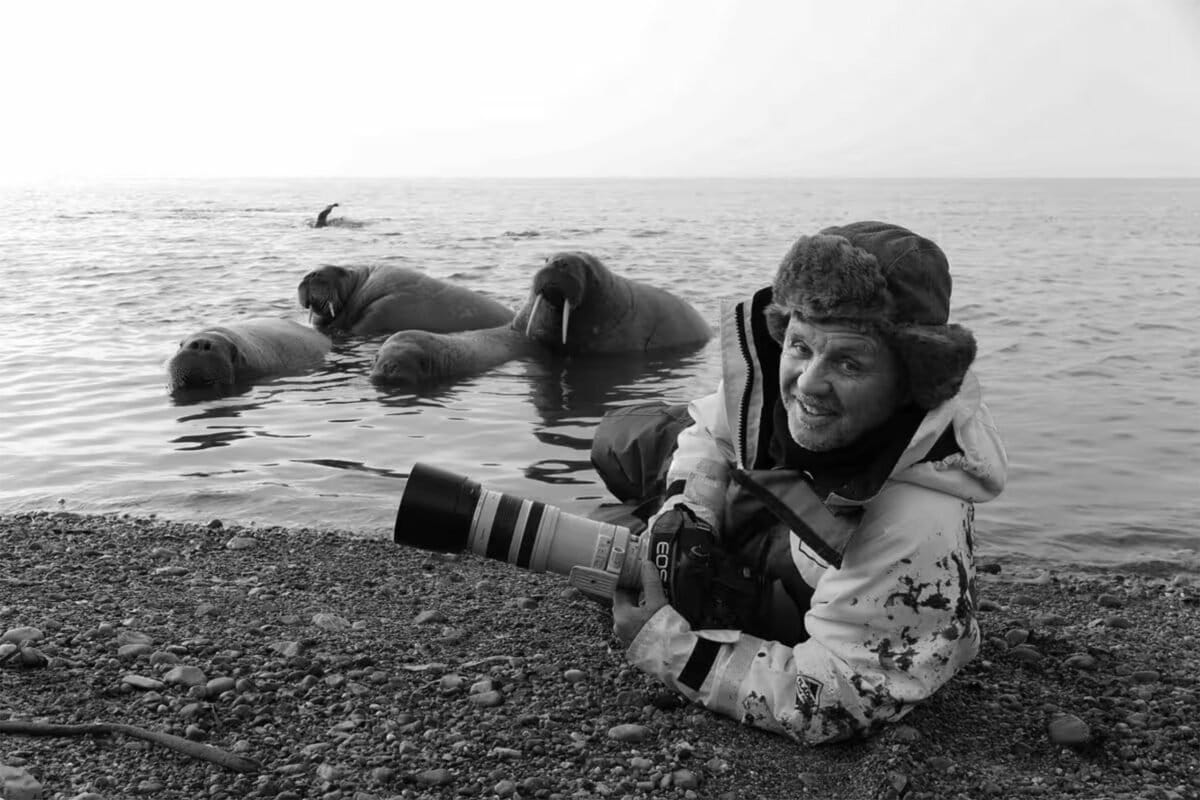
The risks were real. A walrus once dragged him underwater, mistaking him for prey. He found himself within reach of large predators on multiple occasions. Allan regarded these incidents as simply part of the work, neither dramatizing nor dismissing the dangers.
His background as a marine biologist meant his observations often informed scientific research. The boundary between documentation and inquiry stayed narrow throughout his career. Scientists valued what he witnessed during dives and shoots.
Why This Inspires
Allan's legacy isn't just the Emmy and Bafta awards or the OBE he received. It's the way he made invisible worlds visible through sustained dedication. He spent his life in discomfort and isolation so audiences could witness nature's rarest behaviors from their couches.
His work proved that the best storytelling requires showing up, staying present, and waiting for truth to reveal itself. The footage carried little sign of the effort behind it, which was exactly how he preferred things.
Allan died on April 8 at age 74 after suffering a brain hemorrhage while trekking to Annapurna base camp in Nepal. He left behind a body of work that continues inspiring both filmmakers and conservationists, proving that patience and respect can bring us closer to the natural world than we ever imagined possible.
More Images
Based on reporting by Mongabay
This story was written by BrightWire based on verified news reports.
Spread the positivity!
Share this good news with someone who needs it