%2Ffile%2Fattachments%2Forphans%2FLeopardatfence_539352.jpg)
Wildlife Corridors Reconnect Fragmented Landscapes in Africa
Camera traps in South Africa's Overberg region reveal leopards, honey badgers, and caracals using narrow strips of land between farms to move between safe havens. These wildlife corridors prove that even small, compromised patches of land can save species trapped on habitat "islands."
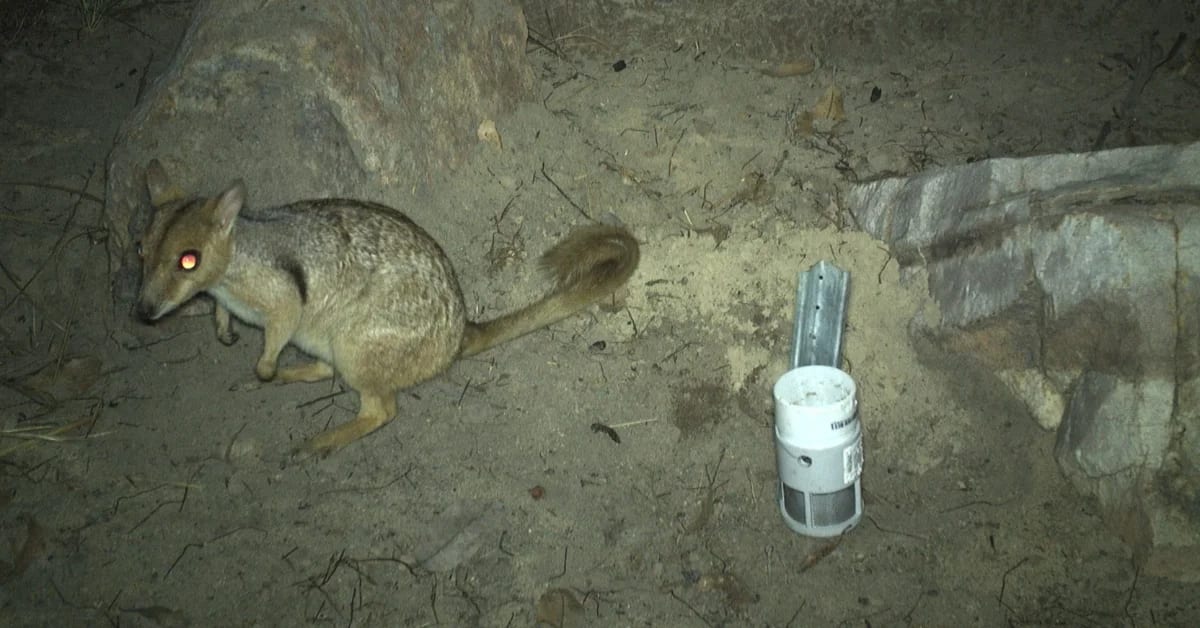
When conservationists in South Africa's Overberg region set up camera traps after clearing invasive plants, they discovered something remarkable: leopards were commuting through farmland at night.
Rupert Barnard and Michelle de Bruyn of Wild Restoration had started with a simple mission. Clear alien invasive plants from the Riviersonderend mountains and see what happened.
What their cameras captured changed how they understood conservation. Leopards, honey badgers, caracals, and small antelope weren't just surviving in protected areas. They were traveling between safe zones using narrow strips of land that looked too small to matter.
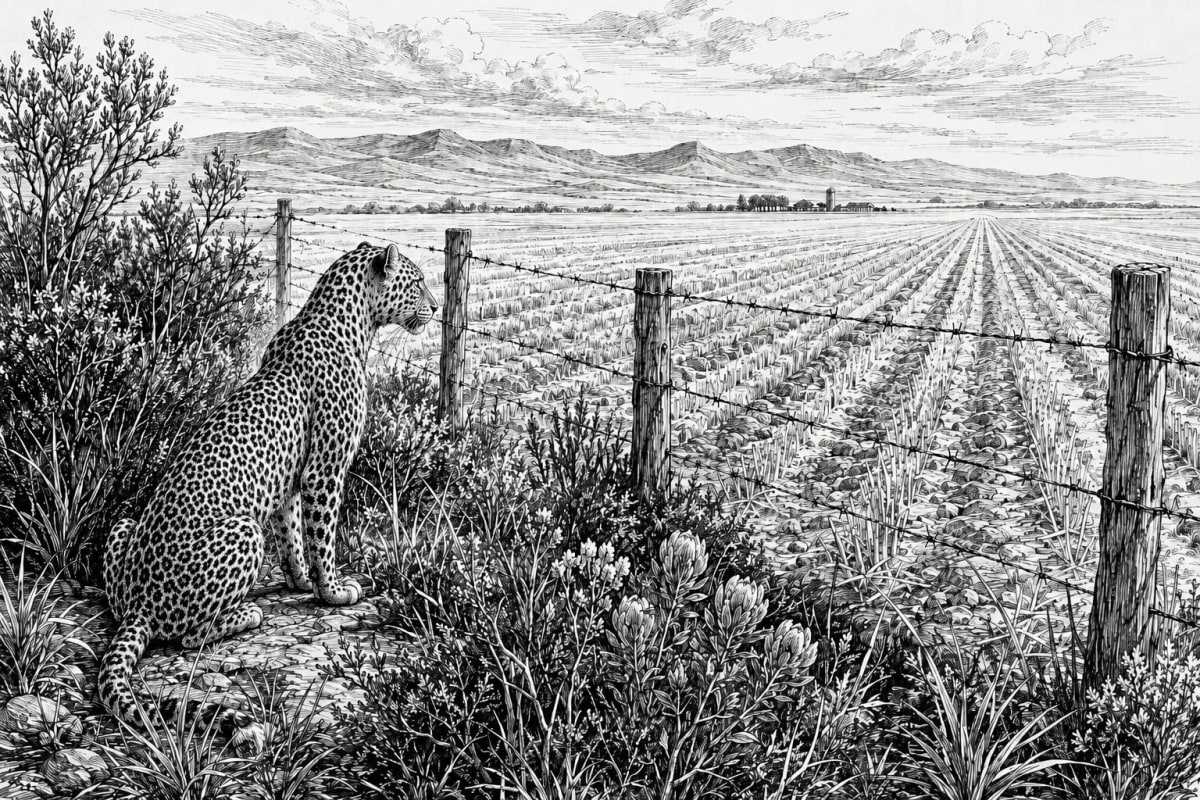
The problem they were solving is urgent. Human development has turned wild landscapes into islands surrounded not by water but by wheat fields, highways, and suburbs. Animals trapped on these habitat islands face the same fate as creatures marooned on a traffic median: one disease outbreak or fire and they're gone.
Scientists call this island biogeography. The math is simple and sobering: smaller habitat equals fewer species, and no connections mean no renewal and eventual decline. Only about 5% of South Africa's original renosterveld remains, scattered across hilltops and rocky slopes unsuitable for farming.
The Ripple Effect
The camera trap footage revealed something even more surprising than movement. These corridors weren't just highways for wildlife. They were homes.
River lines, rocky slopes, neglected farm edges, and land too steep to plough became both routes and habitat. A leopard might pass through on its way to another reserve, but it might also hunt there, rest there, live there.
This discovery points toward a different kind of conservation. Instead of just drawing lines around mountains and reserves, the work involves connecting protected areas through compromised but usable strips of land.
Michelle de Bruyn describes this approach using the Shona concept of ukama, meaning relatedness. Wildlife doesn't recognize municipal boundaries or zoning schemes. A leopard doesn't know when it crosses from one jurisdiction to another.
The evidence keeps mounting. Each night, the camera traps document life finding a way through landscapes that look too fragmented to support it. The abstract theory of wildlife corridors becomes concrete: a honey badger on a forgotten path, a caracal moving through partially cleared ground.
These narrow connections allow genetic diversity to flow between isolated populations. They give species escape routes from fire and drought. They transform what looked like inevitable decline into something more hopeful: landscapes beginning to breathe again.
The work in the Overberg shows that conservation doesn't require perfect wilderness. It requires recognizing that even awkward, leftover pieces of land matter deeply to the creatures trying to survive our hyper-humanized world.
More Images

%2Ffile%2Fattachments%2Forphans%2Fmountains1_770894.jpg)
%2Ffile%2Fattachments%2Forphans%2FIMAG0025leopards_240433.jpg)
Based on reporting by Daily Maverick
This story was written by BrightWire based on verified news reports.
Spread the positivity!
Share this good news with someone who needs it