Wildlife Stable in Unesco Sites While 75% Crashes Elsewhere
While global wildlife populations have plummeted 75% since 1970, animals living in Unesco-protected areas are thriving and holding steady. These protected zones now shelter a third of the world's remaining elephants, tigers, and pandas.
While three-quarters of the world's wildlife has disappeared since 1970, there's a place where nature is holding its ground: Unesco-protected sites.
Research published this week reveals that wildlife populations within these designated areas have remained largely stable, even as populations elsewhere have crashed. The findings show that protecting land actually works.
"It's good news, it shows that these sites are extremely resilient in the face of a changing world," said Tales Carvalho Resende, co-author of the report People and Nature in Unesco Sites. The study is the first comprehensive look at all 2,260 protected areas worldwide.
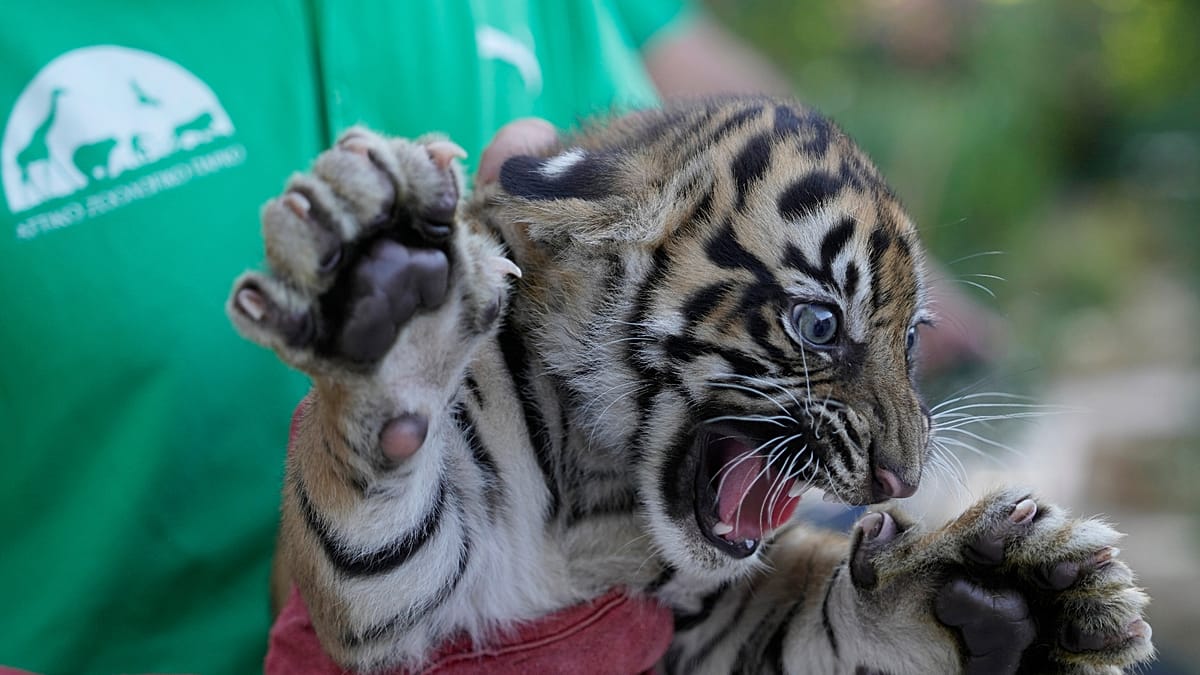
These safe havens now shelter about a third of the world's remaining elephants, tigers, and pandas. One in ten of the world's great apes, giraffes, lions, rhinos, and dugongs call Unesco sites home.
Some of the planet's most endangered species exist only within these protected zones. All 10 remaining vaquita porpoises, the last 60 Javan rhinoceros, and 85% of Sumatran orangutans live within Unesco boundaries.
The sites cover more than 13 million square kilometers, larger than China and India combined. They're home to 60% of the world's species, with 40% of those found nowhere else on Earth.
The Ripple Effect
These protected areas aren't just good for wildlife. About 900 million people live within Unesco sites, speaking more than 1,000 languages and generating roughly a tenth of global GDP.
Virunga National Park in the Democratic Republic of Congo shows what's possible when conservation meets community. There, critically endangered mountain gorillas have rebounded thanks to protection efforts supported by local residents.
Many sites overlap with Indigenous territories, with Indigenous and local communities managing numerous areas. These communities are proving that people and nature can thrive together.
The sites also store 240 gigatons of carbon, equivalent to nearly two decades of fossil fuel emissions. That's a massive win for fighting climate change.
The challenges ahead are real. More than 300,000 square kilometers of tree cover have been lost within these sites since 2000, mostly from agriculture and logging. About 90% of Unesco sites face high levels of environmental stress, primarily from extreme heat.
Still, the research proves a simple truth: when we protect nature, it bounces back. The key is expanding these protections and supporting the communities who guard them.
"Inside these territories, communities thrive, humanity's heritage endures, and biodiversity is holding on while it collapses elsewhere," said Khaled El-Enany, Unesco's director general.
More Images


Based on reporting by Guardian Environment
This story was written by BrightWire based on verified news reports.
Spread the positivity!
Share this good news with someone who needs it