Wildlife Thrives in Chernobyl 40 Years After Disaster
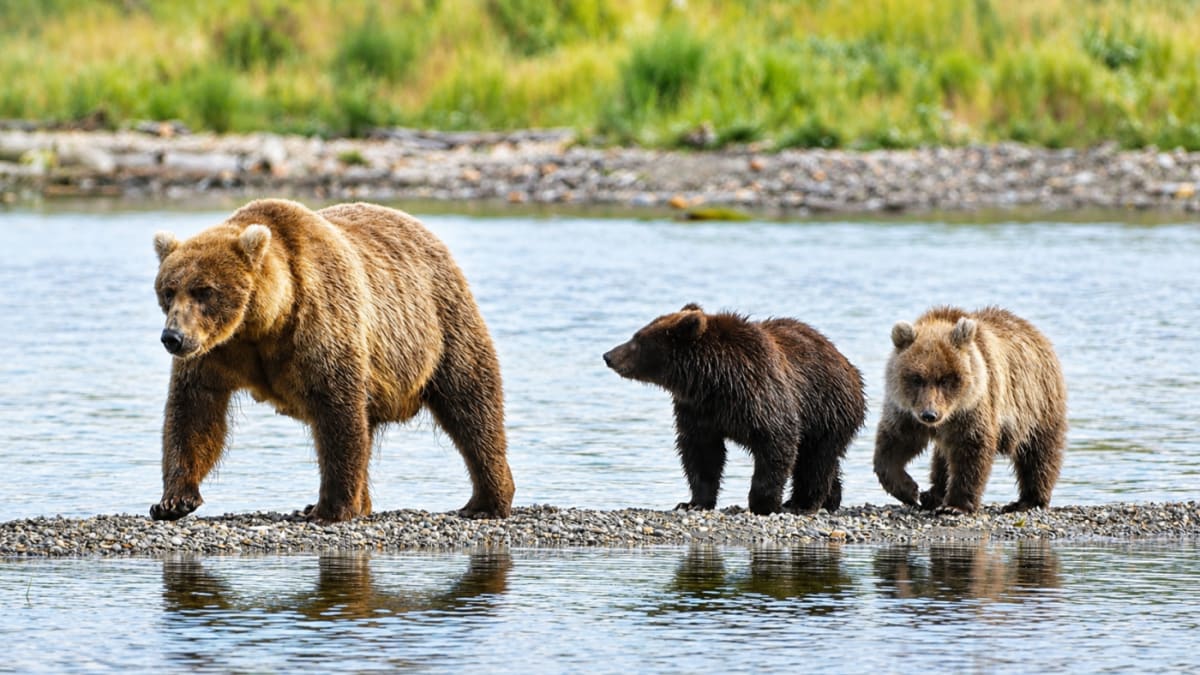
Wolves, bears, and rare wild horses now roam freely through Chernobyl's radioactive exclusion zone, proving nature can bounce back when humans step away. Four decades after the nuclear disaster, the abandoned landscape has become an unexpected wildlife sanctuary.
The wildlife population in Chernobyl has exploded 40 years after one of history's worst nuclear disasters forced everyone to leave.
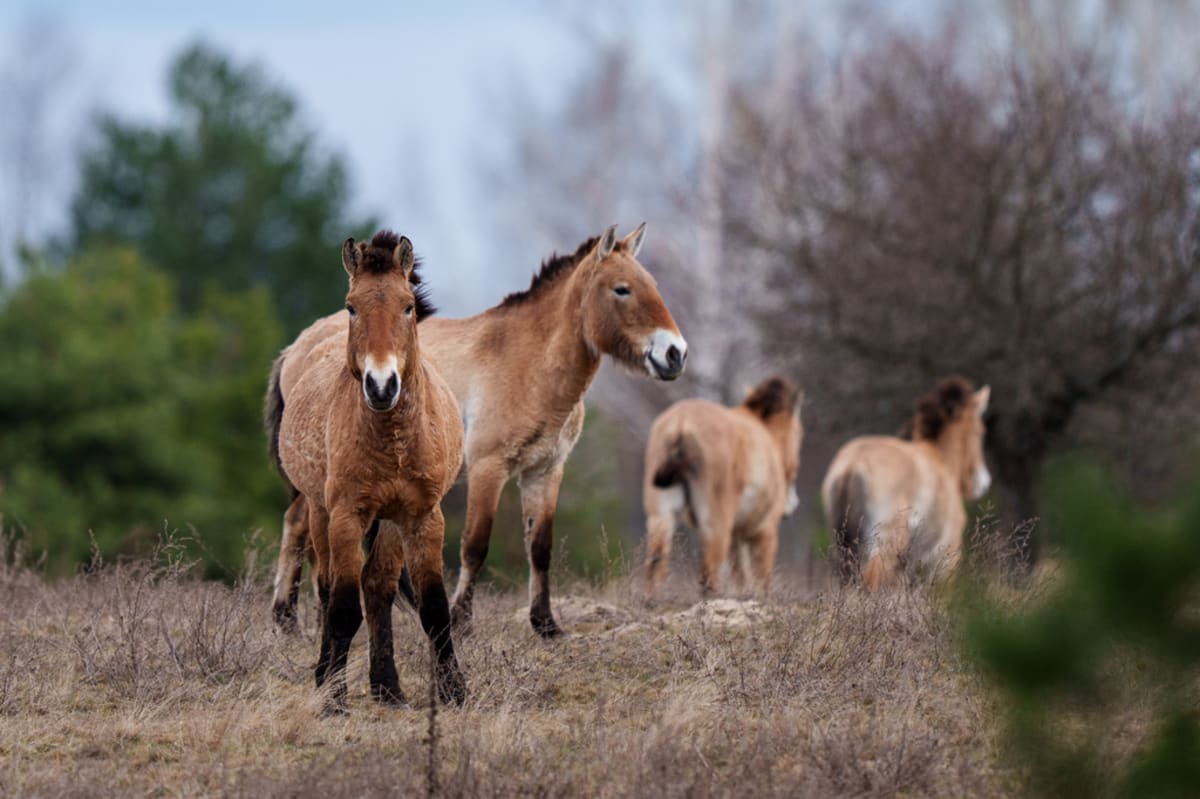
Wolves, bears, and lynx now thrive inside Ukraine's Chernobyl exclusion zone, where radiation levels remain too dangerous for human habitation. Rare Przewalski horses, a breed native to Mongolia, graze freely through forests and abandoned villages where people once lived.
Scientists studying the area say the recovery demonstrates something powerful about nature. When human activity disappears, ecosystems can regenerate even in the most contaminated environments.
Hidden cameras placed throughout the zone have captured animals using empty buildings as shelters and raising their young in homes that families fled decades ago. The footage shows a landscape transformed from nuclear wasteland into unexpected wilderness.
The exclusion zone, created after the 1986 disaster, spans over 1,000 square miles of evacuated land. While radiation persists in soil and vegetation, the absence of farming, development, and human disturbance has allowed wildlife populations to rebound dramatically.
The Bright Side
Chernobyl's transformation offers an unusual lesson about resilience. The disaster that made the area uninhabitable for people inadvertently created one of Europe's most unique wildlife refuges.
Researchers now use the zone as a living laboratory to study how species adapt to extreme environmental challenges. The findings help scientists understand both radiation's long-term effects and nature's remarkable capacity for recovery under unexpected circumstances.
The Przewalski horses represent a particularly hopeful chapter in this story. The endangered breed was reintroduced to the zone and has successfully established breeding populations, giving conservationists valuable insights into rewilding efforts.
Despite ongoing challenges from the war in Ukraine, the wildlife continues adapting and surviving. The resilience on display in Chernobyl reminds us that nature finds pathways forward even through humanity's darkest chapters.
More Images

Based on reporting by Mongabay
This story was written by BrightWire based on verified news reports.
Spread the positivity!
Share this good news with someone who needs it