Wind and Solar Farms Boost Rural Economies by 7%
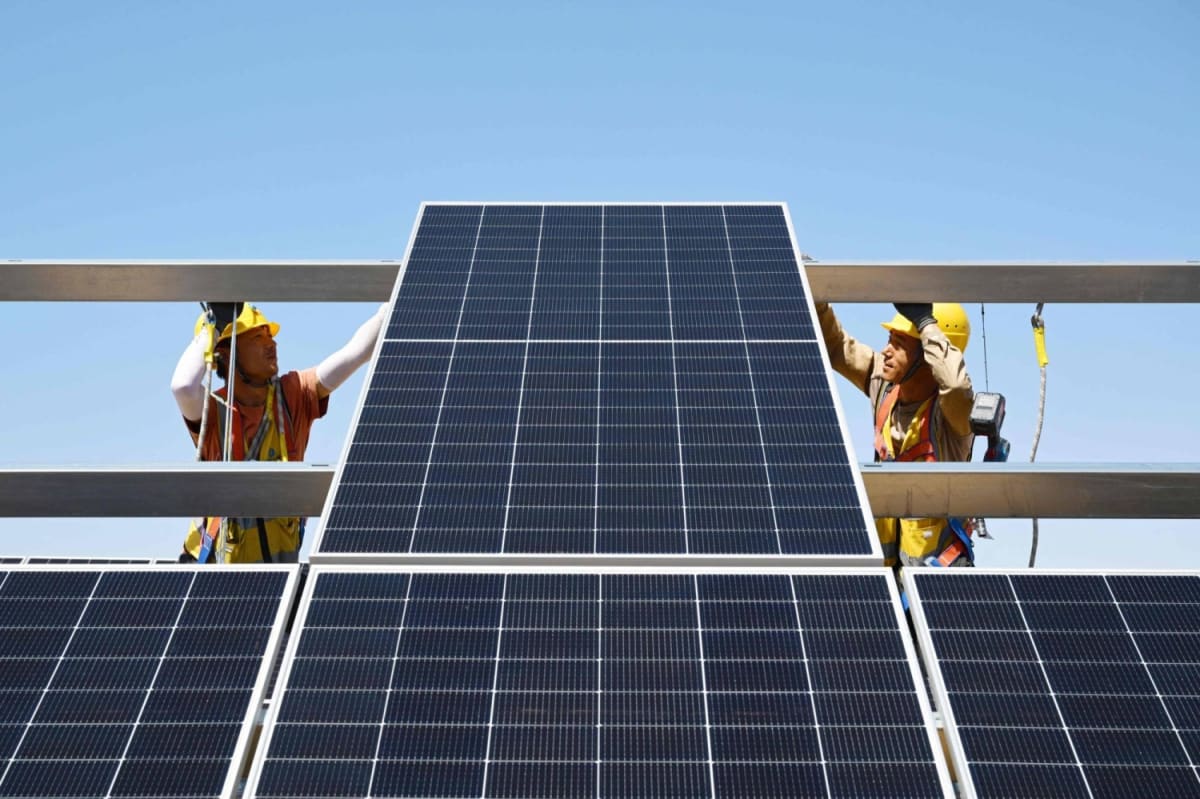
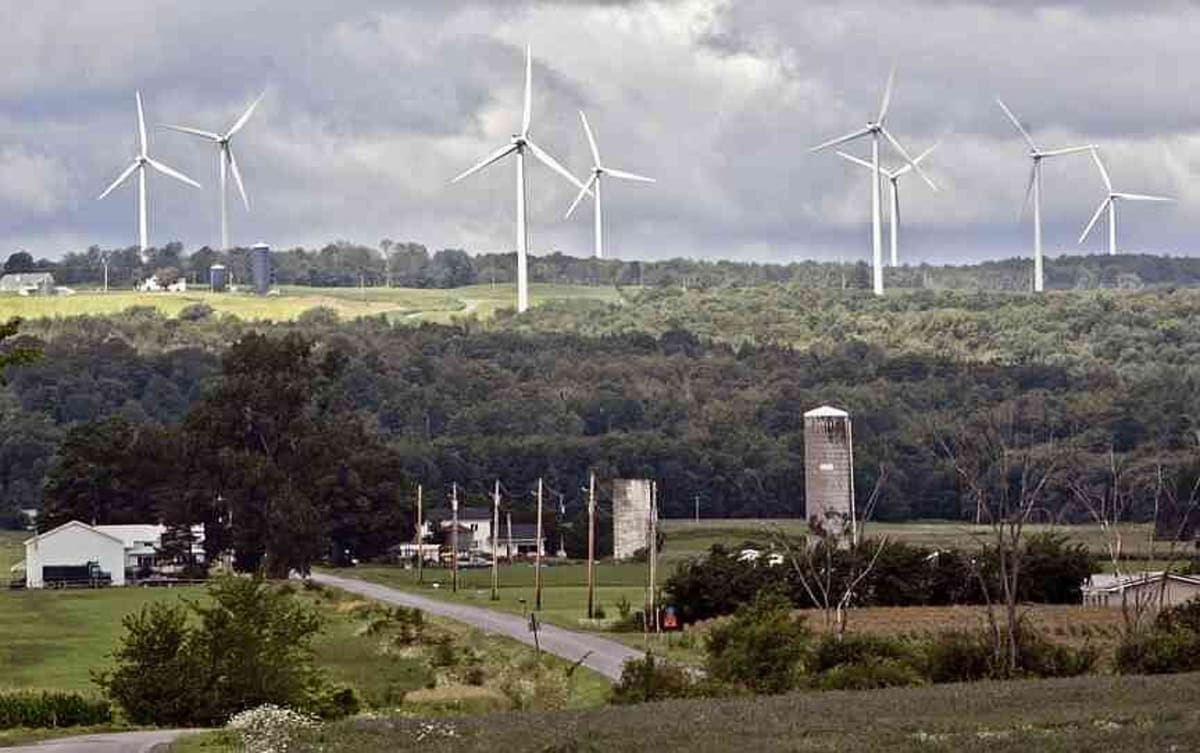
New research from the University of Missouri reveals that wind and solar farms are bringing real economic growth to rural communities, with some counties seeing a 7% GDP increase. The study shows renewable energy development creates jobs and tax revenue without hurting local farming economies.
Rural America is getting an economic boost from an unexpected source: the wind turbines and solar panels dotting farm country are creating jobs and pumping millions into local economies.
A comprehensive study from the University of Missouri tracked economic data in rural counties from 2001 to 2023, comparing communities with renewable energy projects to those without. The results are clear: renewable energy is creating measurable economic gains.
Communities hosting wind farms saw their GDP grow by roughly 7 percent. Counties with solar farms experienced the biggest employment jumps in utilities, construction and transportation, with 10 to 20 percent increases in both jobs and wages.
Lead researcher Adrienne Ohler, an economist who grew up in a rural area herself, knows these projects can be controversial. Neighbors sometimes clash over concerns about property values and taking farmland out of production.
But the numbers tell a promising story. Neither wind nor solar development caused agricultural GDP, employment or wages to decline. Farming and renewable energy are coexisting successfully.
Nearly all of America's large-scale renewable energy gets built in rural areas. About 94 percent of wind farms and 70 percent of large-scale solar sit on cropland.
James Owen from Renew Missouri points out that while these projects don't create many permanent jobs, they deliver something rural communities desperately need: tax revenue for schools, fire districts and ambulance services.
There's also a national security angle. Solar panels and wind turbines produce power domestically, making communities less dependent on imported oil and gas.
The Ripple Effect
The economic benefits extend beyond simple job creation. When a wind or solar farm opens in a rural county, construction crews need places to stay and eat. Transportation workers move equipment. Utility workers maintain the infrastructure. All of that spending circulates through local businesses.
Ohler emphasizes that renewable energy isn't automatically right for every community. Local leaders need to study what worked in successful communities and create similar policies and regulations.
Missouri currently gets nearly 10 percent of its electricity from wind and just over 1 percent from solar. As more rural communities consider renewable energy projects, they now have solid data showing these installations can strengthen local economies without sacrificing agriculture.
The choice facing rural America isn't between farming and energy. This research proves communities can have both, with economic benefits flowing to the people who live there.
More Images
Based on reporting by Google News - Wind Energy
This story was written by BrightWire based on verified news reports.
Spread the positivity!
Share this good news with someone who needs it