Wind Farm in Djibouti Uses AI to Protect Birds and Bats
A wind farm in Djibouti is installing smart technology that detects birds and bats near turbines, preventing collisions while generating clean energy. It's the first time this life-saving system has been used anywhere in Africa.
Renewable energy just got kinder to wildlife in the Horn of Africa.
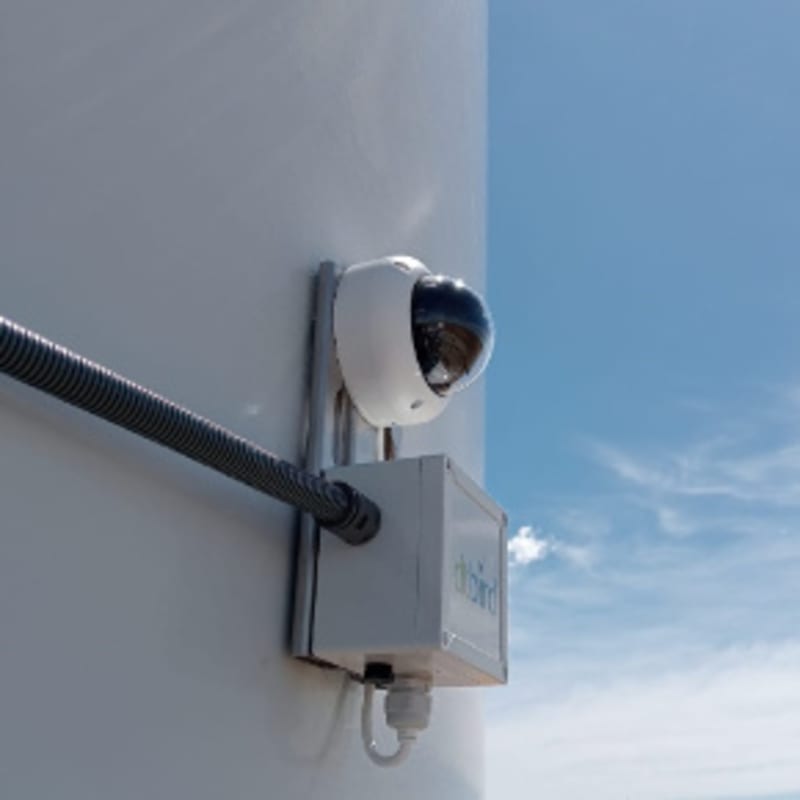
The Ghoubet Wind Farm in Djibouti is equipping its 17 massive turbines with AI-powered systems that watch for birds and bats in real time. When the technology spots an Egyptian vulture or migrating bird flying too close, it can help prevent deadly collisions with the turbine blades.
This matters because wind energy has always faced a heartbreaking tradeoff. Clean power is crucial for fighting climate change, but spinning turbine blades can be dangerous for flying wildlife. Now, artificial intelligence is helping solve that problem.
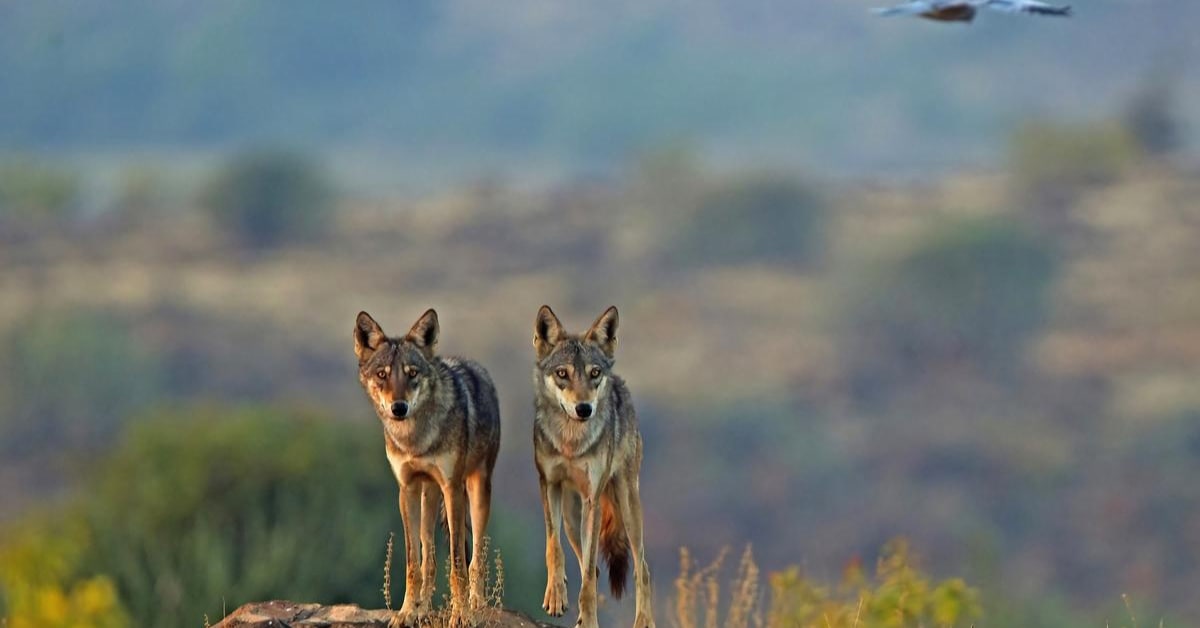
The 60-megawatt wind farm sits about a kilometer from Lake Ghoubet, where migratory birds pass through on their long journeys. The DTBird FALCO and DTBat Q2 systems will monitor all the bat species in the area plus vulnerable birds like the Egyptian vulture, which is already threatened across its range.
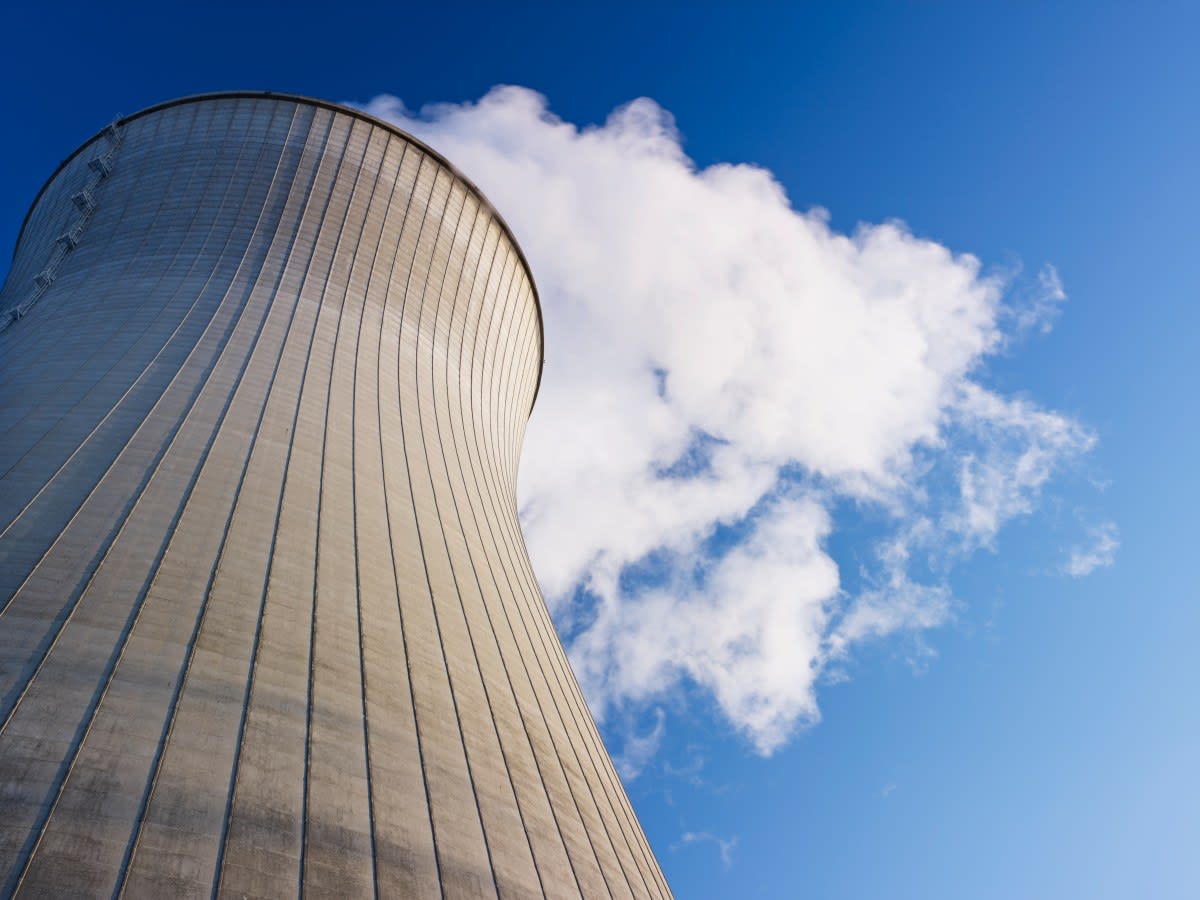
Each turbine stands as tall as a 50-story building with rotor blades stretching 150 meters across. The AI cameras track movement around these giants, collecting data that helps operators understand wildlife patterns and adjust operations when needed.
The technology doesn't just prevent collisions. It creates a detailed record of bird and bat activity that helps scientists and regulators make smarter decisions about where and how to build future wind farms.
The Ripple Effect
This installation marks a milestone for both renewable energy and conservation. It's the first time DTBird's protection systems have been deployed anywhere on the African continent, bringing proven technology to a region rapidly expanding its clean energy infrastructure.
The project shows that protecting wildlife and fighting climate change aren't competing goals. With the right tools, wind farms can generate power for homes and businesses while keeping migratory routes safe for the creatures that have used them for millennia.
As wind energy accelerates across Africa and other emerging markets, this approach offers a blueprint. Early integration of wildlife monitoring means new projects can avoid harm from day one rather than scrambling to fix problems later.
For Djibouti, the wind farm strengthens energy independence while honoring the natural heritage of the region. The systems are scheduled for installation in summer 2026, when the turbines will start spinning with digital guardians watching over the skies.
Clean energy is learning to share the sky with those who've always called it home.
Based on reporting by Google News - Wind Energy
This story was written by BrightWire based on verified news reports.
Spread the positivity!
Share this good news with someone who needs it