Wind Farm Survey Solves 150-Year-Old Shipwreck Mystery
Divers searching for a clean energy site discovered a legendary 1877 shipwreck that had eluded searchers for nearly 150 years. The City of Hobart, carrying coal when it sank off Australia's coast, was found thanks to offshore wind farm planning.
A team of divers spent years searching 47 meters away from one of Australia's most mysterious shipwrecks. They finally found it while planning something that represents the opposite of what sank it: clean energy.
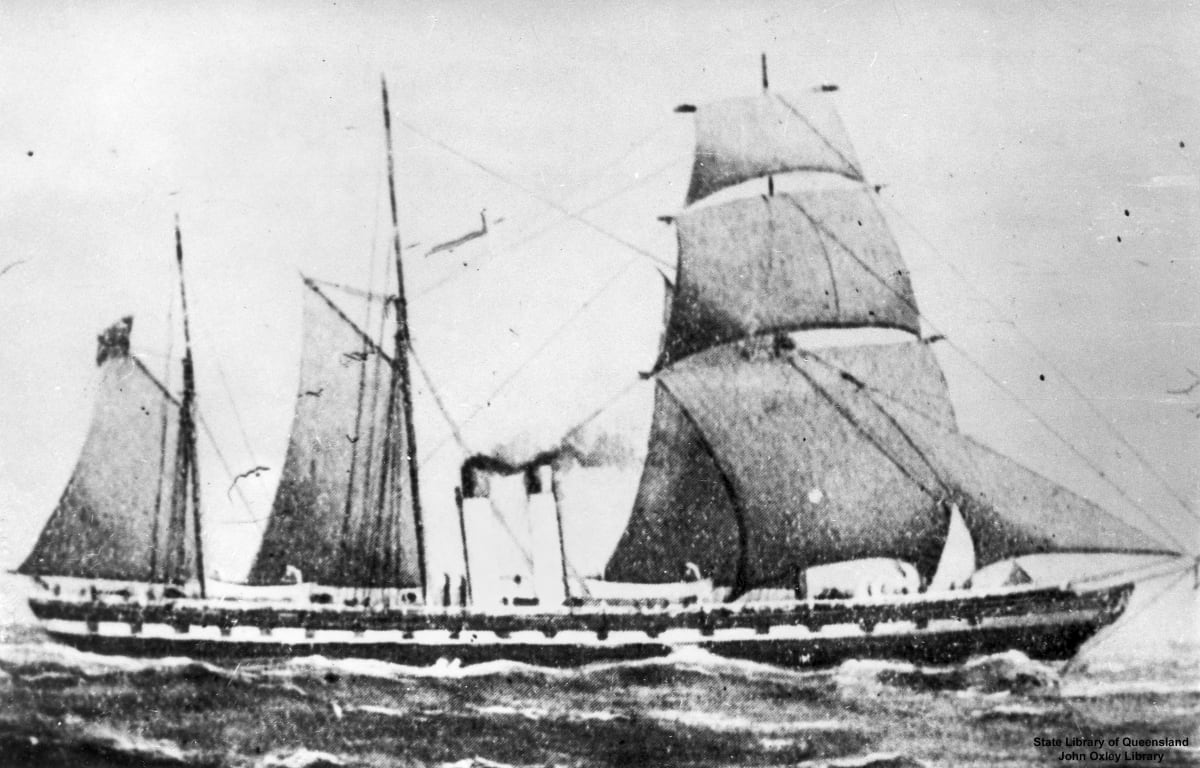
The City of Hobart left Newcastle carrying 615 tonnes of coal on July 21, 1877, bound for Melbourne. Three days later, the iron steamer took on water off Victoria's Gippsland coast and sank, with its crew escaping in lifeboats but the ship's final resting place remaining unknown for almost 150 years.
Mark Ryan and his Southern Ocean Exploration team had been hunting for the wreck since 2008. After three years of searching in the early 2000s, they came up empty and stopped looking.
Then Iberdrola Australia, a renewable energy company, started surveying the ocean floor in 2025 for a proposed offshore wind farm. Their geophysical scans detected two shipwrecks, and they contacted authorities to identify them.
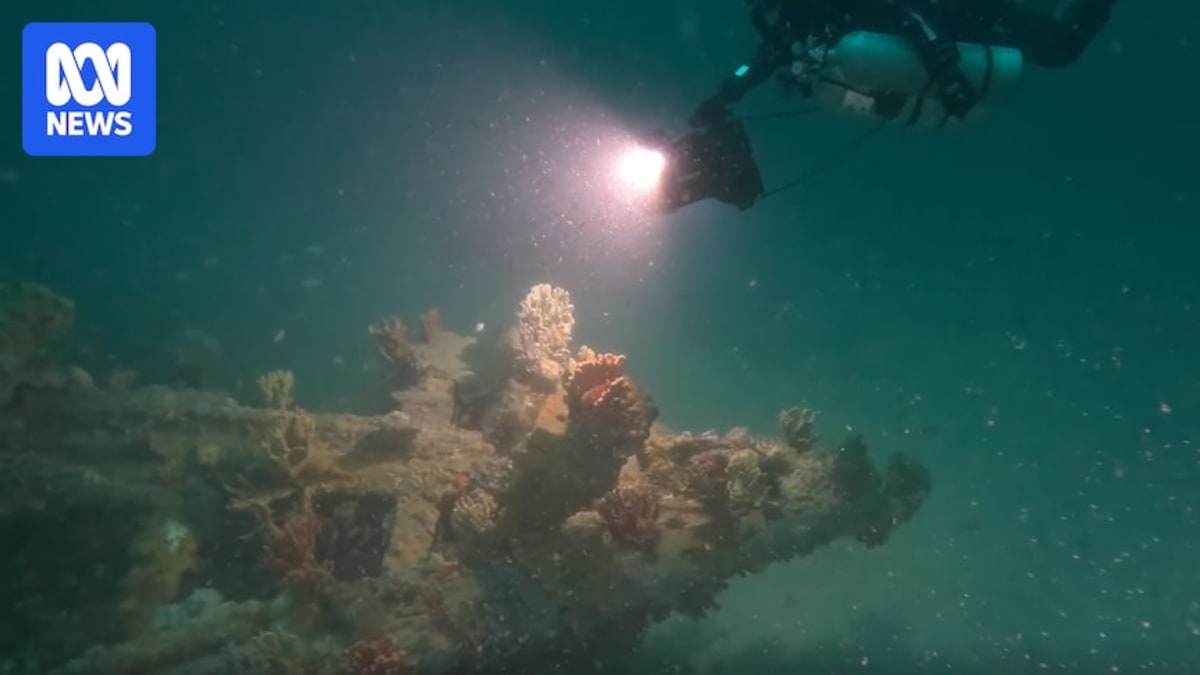
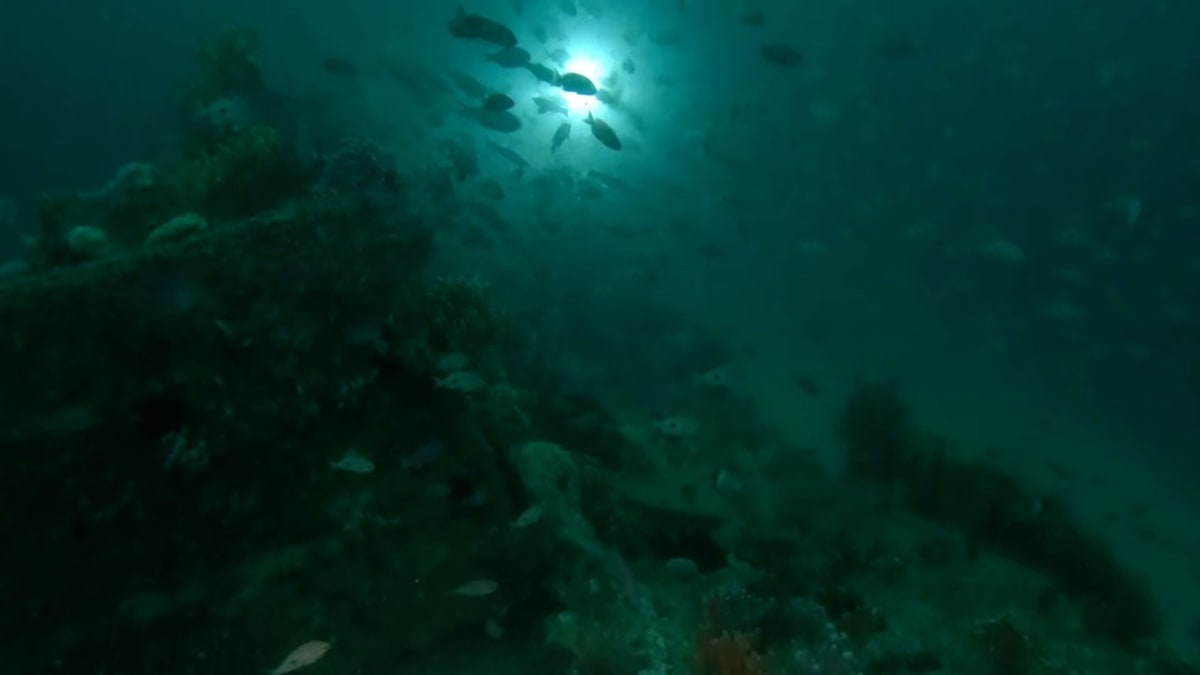
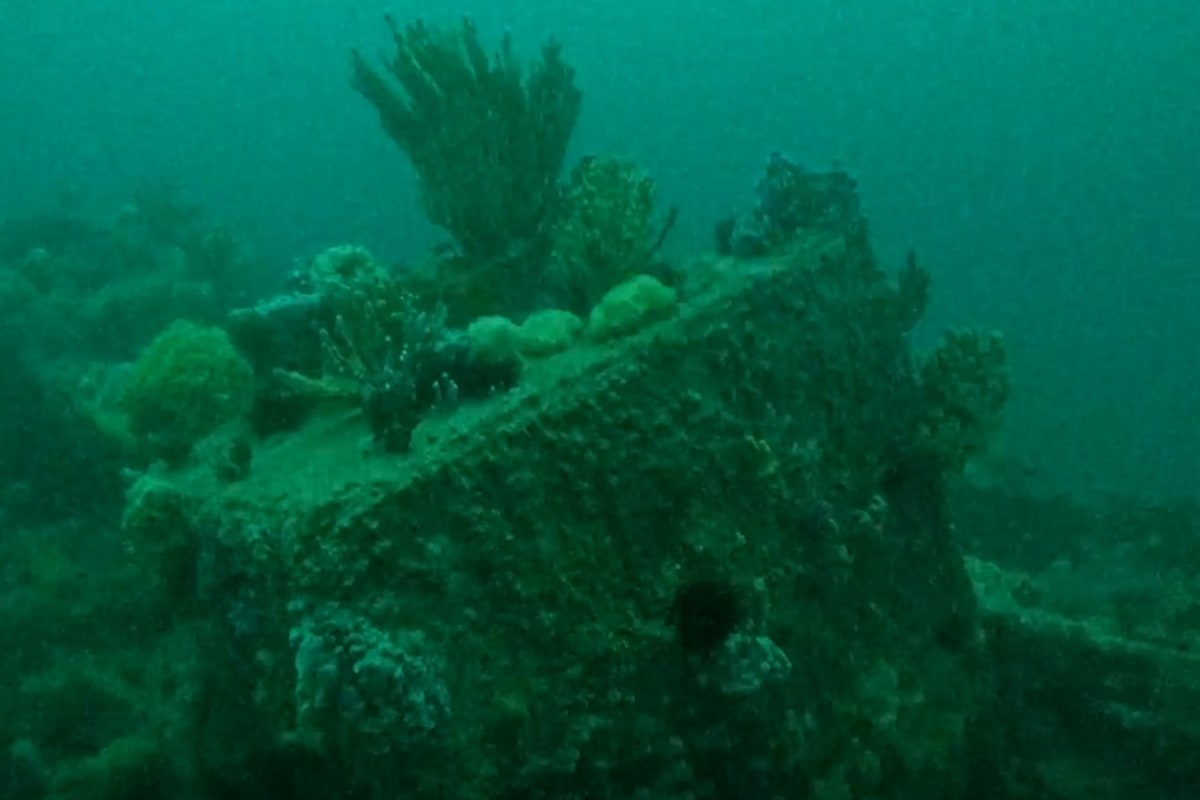
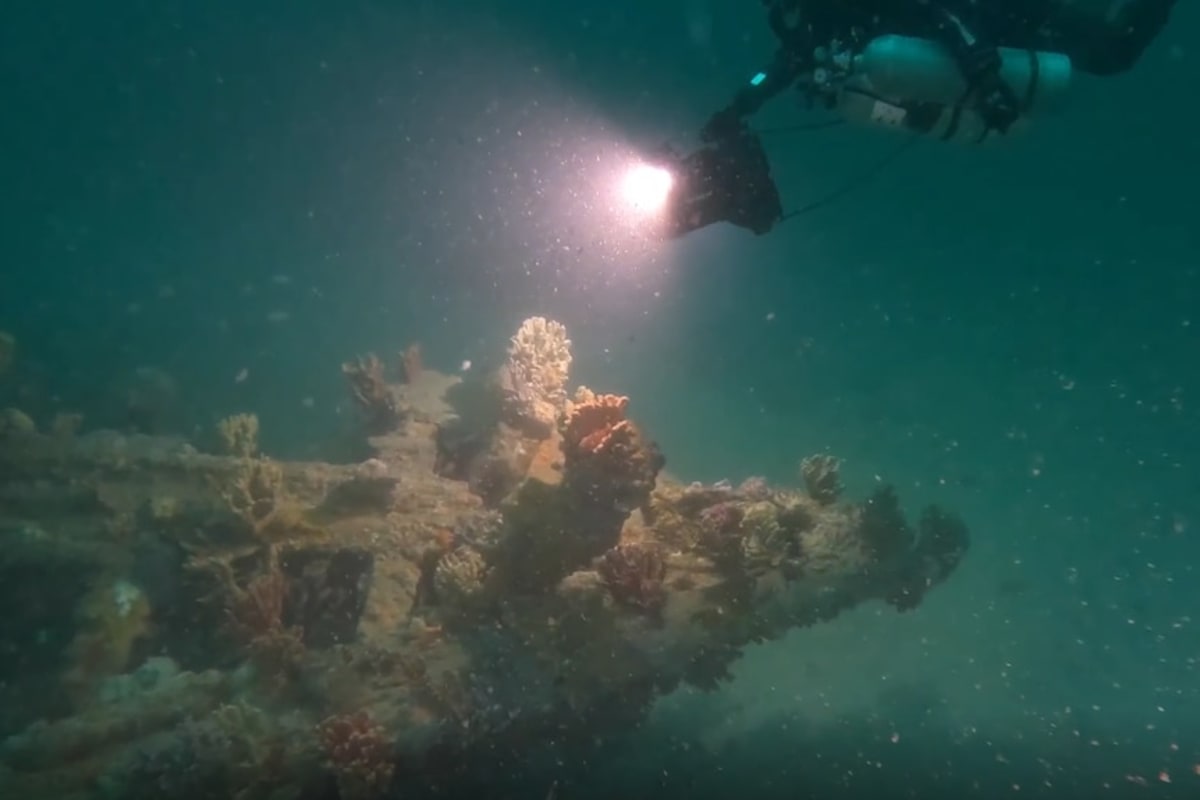
Using the survey data, Ryan's team returned to the site in February 2026. When Ryan descended through the water on that overcast day, the ship's distinctive shape emerged from the gloom.
"To dive a shipwreck for the first time is amazing, to be the very first divers on the wreck is absolutely mind blowing," Ryan said.
The City of Hobart was built in Glasgow, Scotland in 1853 during a pivotal moment in maritime history. The 645-tonne vessel represents the transition from wooden sailing ships to iron steamships, designed like a sailing ship but built with steam power.
The ship also featured a rare "Beattie Propeller" with the propeller positioned behind the rudder instead of in front, a design innovation that made it historically significant.
The Bright Side
The discovery connects Australia's coal-powered past with its clean energy future in an unexpected way. A ship that sank carrying coal was found by teams planning wind turbines that will help replace coal generation in the same region.
Renee Kurowski from Iberdrola Australia noted the powerful symbolism. "I think it's ironic that the City of Hobart sank while carrying coal from Newcastle to Melbourne, before Gippsland's own coal industry was established," she said. "Now Iberdrola Australia is developing the Aurora Green offshore wind project as the region shifts away from coal generation towards new clean energy."
The wreck site is now protected under federal heritage laws, and no one can remove artifacts. The diving team plans to return to create a 3D model that will let people explore the historic vessel online.
Sometimes the future helps us rediscover the past, and both become richer for it.
More Images
Based on reporting by ABC Australia
This story was written by BrightWire based on verified news reports.
Spread the positivity!
Share this good news with someone who needs it