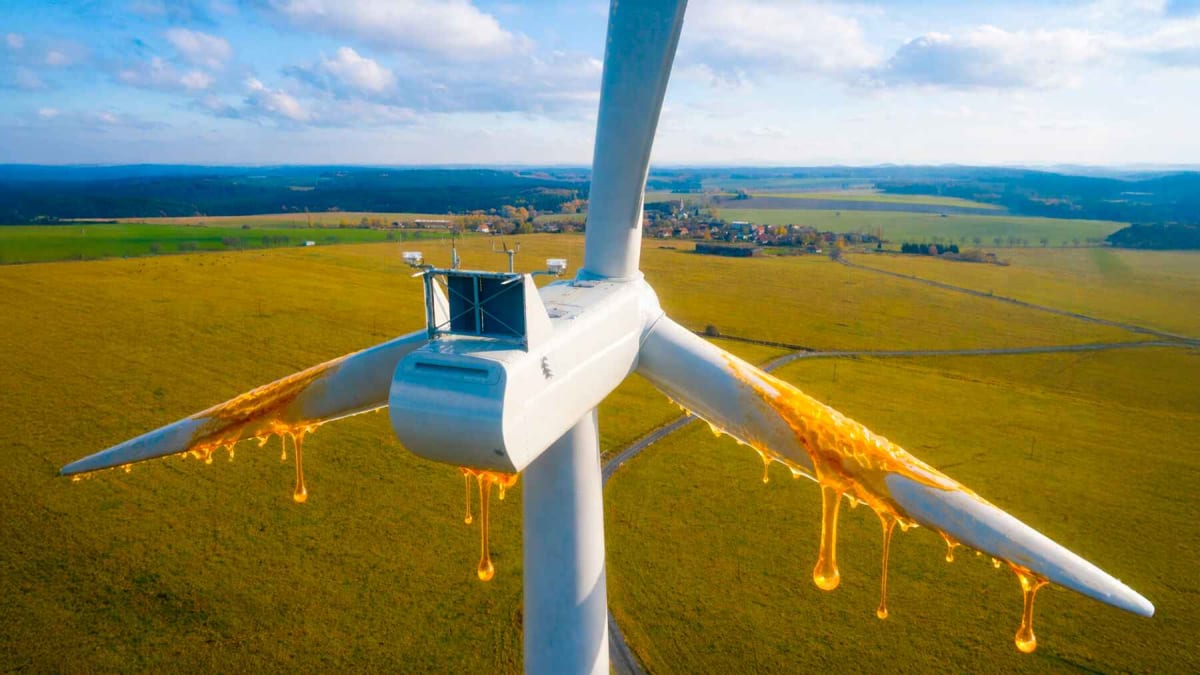
Wind Farms in Turkey Accidentally Triple Honey Production
Turkish beekeepers discovered their honey yields soared near wind turbines, and scientists just figured out why. The finding could transform how we think about renewable energy's impact on nature.
Beekeepers in Turkey's Aegean region noticed something sweet happening near the white turbine towers dotting their landscape. Their hives were producing more honey than ever before, and researchers just uncovered the unexpected reason why.
A study published in the Journal of Cleaner Production revealed that wind farms accidentally created perfect sanctuaries for bees. The restricted land around turbines stays protected from pesticides and development, allowing wildflowers to flourish freely.
But the benefits go deeper than just protected space. The spinning blades generate tiny climate changes that supercharge nectar production in surrounding plants. Together, these factors transformed Turkish wind farms into thriving bee habitats that beekeepers now seek out.
The timing couldn't be better for both industries. Nearly 40% of invertebrate pollinators face extinction risk, threatening food security worldwide. Wind energy needed a reputation boost after concerns about wildlife impacts and manufacturing costs.
This discovery matters because bees pollinate crops that feed billions of people. When wind farms protect bee populations while generating clean electricity, they're solving two global challenges at once.
The Ripple Effect
The Turkish findings are already changing conversations about renewable energy development. Projects once seen as purely industrial infrastructure now offer genuine biodiversity benefits alongside clean power.
Other countries are taking notice and studying whether their wind farms show similar pollinator benefits. Early research suggests the bee-friendly effect isn't unique to Turkey, opening doors for integrated agricultural and energy planning.
Farmers near wind installations are exploring partnerships with beekeepers to maximize both honey production and crop pollination. What started as an accidental discovery is becoming an intentional strategy for sustainable land use.
The research also provides hope for critics worried about wind energy's environmental footprint. While challenges like bird mortality still need solutions, the bee sanctuary effect proves renewable infrastructure can sometimes help ecosystems thrive.
Communities once resistant to wind development are reconsidering as they learn about the pollinator benefits. The promise of supporting local beekeepers while fighting climate change makes a compelling case for expansion.
Wind turbines may tower over the landscape, but their ability to quietly nurture the tiny creatures keeping our food system alive shows that clean energy's benefits can be even bigger than we imagined.
More Images




Based on reporting by Google News - Wind Energy
This story was written by BrightWire based on verified news reports.
Spread the positivity!
Share this good news with someone who needs it