Wind Turbine Blades Recycled Into Building Materials
Old wind turbine blades in the Netherlands are being transformed into construction beams instead of heading to landfills. This breakthrough could solve one of renewable energy's biggest recycling challenges.
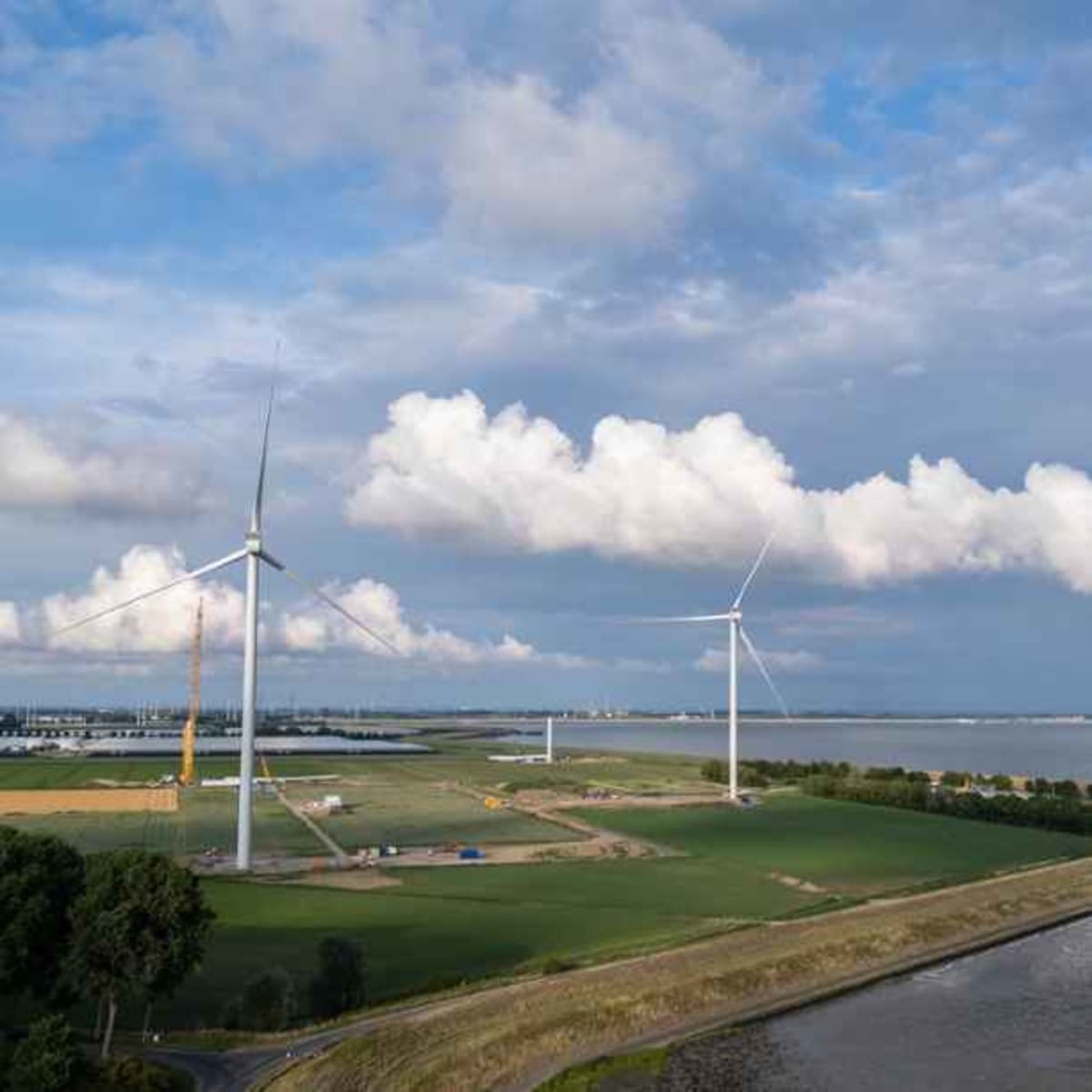
When ten wind turbines at the Willem-Annapolder wind farm in the Netherlands reached the end of their lives, investors faced a problem that has plagued the renewable energy industry for years: what to do with the blades.
Most wind turbine parts can be recycled easily. But the blades, made from glass fibers and synthetic resin, are incredibly tough to break down. Those same qualities that help them withstand decades of wind and weather make them nearly impossible to recycle.
For nearly twenty years, Triodos Energy Transition Europe Fund co-owned the Willem-Annapolder farm with Zeeuwind Cooperative. When it came time to replace the old turbines with newer models, they refused to let the blades end up in a landfill or incinerator.
"The energy transition can only be truly sustainable if materials are given a new purpose at the end of their lifecycle," says Jeremy Ruis, investment officer at Triodos Investment Management. They built this vision into their dismantling contract, requiring bidders to propose high-value recycling solutions.
The answer came from KoiosTitan, a Dutch startup with a patented process for transforming the blade material into new construction products. The company cuts the blades into smaller pieces, processes them into different sizes, then combines them with binding agents to create beams and planks.
"We can take it back at the end of its lifecycle and process it again," explains Johannes Engels of KoiosTitan. "In theory, this cycle can be repeated indefinitely."
The recycled beams are now being used by Sagro, the civil engineering company that dismantled the turbines, for crane mats and support structures at construction sites in the same region. This replaces tropical hardwood typically used for these purposes.
"It gives a difficult-to-recycle material a new life while avoiding the use of scarce raw materials," says Janine Commee of Sagro.
The Ripple Effect
This project arrives at a critical moment for wind energy. Thousands of turbines installed during the early boom years are reaching retirement age. Without viable recycling solutions, the renewable energy revolution risks creating its own waste crisis.
The Willem-Annapolder project proves high-value recycling is possible, but Ruis acknowledges the market remains underdeveloped. Incineration is still the main disposal method for most blades worldwide.
By choosing the more sustainable option despite higher costs, the project partners hope to help build demand for circular solutions. "If more organizations choose solutions like this, high-value processing can become the standard rather than the exception," Ruis says.
The success in the Netherlands shows that truly sustainable energy means thinking beyond power generation to embrace full lifecycle responsibility.
Based on reporting by Google News - Wind Energy
This story was written by BrightWire based on verified news reports.
Spread the positivity!
Share this good news with someone who needs it