WindNest Design Powers Homes 9 Months Without Grid
An artist has designed a manta ray-shaped hybrid wind and solar system that could power most homes without the grid. The WindNest combines small turbines with solar panels to generate 8,000 kWh annually.
Imagine a sleek, manta ray-shaped energy system on your roof that could power your home for nine months straight without touching the grid. That future just got closer thanks to artist and landscape architect Trevor Lee's innovative WindNest design.
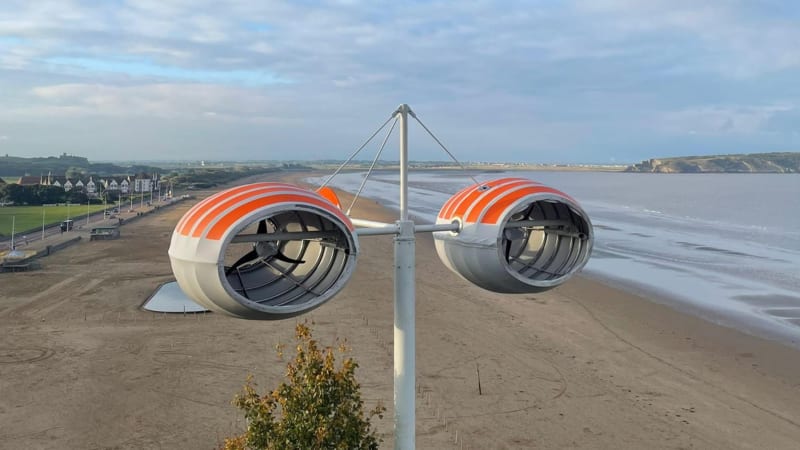
The WindNest combines wind turbines and solar panels into a single eye-catching unit that looks nothing like traditional energy systems. Lee created the hybrid design through the Land Art Generator Initiative, proving that clean energy doesn't have to be an eyesore.
Here's the math that matters: the average American home uses about 10,500 kWh of electricity per year. The WindNest can generate roughly 8,000 kWh annually, covering about 75% of a typical household's energy needs. That translates to roughly nine months of independent power.
The design resembles a manta ray with its mouth open, mounted on poles suitable for urban environments. Unlike sprawling solar arrays or massive wind turbines, the WindNest packages both technologies into a compact, artistic form that fits seamlessly into city landscapes.
While the project hasn't moved past the concept phase into actual production yet, it represents a growing trend in renewable energy. Engineers and artists are working together to make clean power generation both effective and beautiful.
The timing couldn't be better. As more families look to reduce their dependence on traditional power grids and lower their carbon footprints, options beyond standard rooftop solar panels are becoming essential. Wind power produces zero emissions and works day and night, unlike solar panels that only generate during daylight hours.
Why This Inspires
The WindNest shows how creative thinking can solve practical problems. By combining two renewable technologies into one attractive package, Lee demonstrates that going green doesn't mean sacrificing aesthetics or settling for bulky equipment.
This hybrid approach also addresses a key weakness in renewable energy: consistency. Solar panels don't work at night, and wind turbines need windy conditions. Together, they complement each other's limitations, providing more reliable power throughout different weather conditions and times of day.
The project proves that renewable energy innovation isn't slowing down. As technology advances and more creative minds enter the field, homeowners will have increasingly elegant options for reducing their environmental impact while maintaining energy independence.
Once the WindNest moves from concept to reality, it could change how we think about residential clean energy forever.
Based on reporting by Google News - Wind Energy
This story was written by BrightWire based on verified news reports.
Spread the positivity!
Share this good news with someone who needs it