Winter Cabbage Growing Guide Brings Fresh Food to Homes
Growing cabbage at home during winter months is easier than many gardeners realize, turning cold seasons into productive harvest time. A new guide shows how proper soil, sunlight, and care can help anyone cultivate fresh, nutritious vegetables right in their backyard.
Winter doesn't have to mean empty garden beds and store-bought vegetables. Cabbage thrives in cold weather, offering home gardeners a reliable way to grow fresh, healthy food during months when most plants struggle.
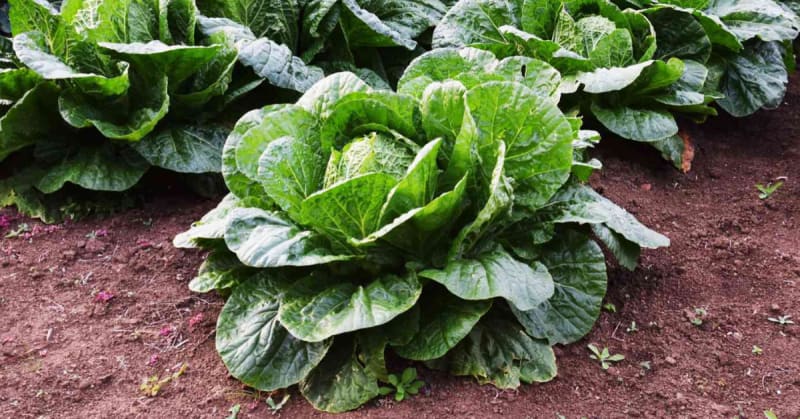
The key starts with choosing the right variety. Cold-tolerant cabbages with shorter growing seasons work best for winter conditions, with round-headed types perfect for cooking and pointed varieties ideal for fresh salads.
Location matters as much as seeds. Cabbage needs five to six hours of direct sunlight daily and good air circulation to prevent fungal problems common in damp winter weather. Container gardeners should use deep pots that give roots room to spread and absorb nutrients.
Soil preparation sets the stage for success. Cabbage grows best in slightly acidic to neutral soil with a pH between 6.0 and 7.0, enriched with compost or well-rotted manure. Loosening soil to about 12 inches deep helps roots establish themselves during colder months.
Seeds can start indoors six to eight weeks before the first frost, then move outside once seedlings develop three to four true leaves. Direct sowing works too, with plants spaced 12 to 18 inches apart to allow proper airflow and room to grow.
Consistent moisture makes the difference between stunted plants and thriving heads. Watering at the base protects leaves from dampness while mulch keeps roots insulated and soil moist. Light fertilizing every few weeks supports healthy growth without forcing plants to produce leaves instead of firm heads.
Even winter gardens face pests like aphids and caterpillars. Regular checking catches problems early, and natural treatments like neem oil keep plants healthy without harsh chemicals. Proper spacing and careful watering also reduce disease risks.
Why This Inspires
Home gardening connects people to their food in ways grocery shopping never can. Watching cabbage heads form through winter's challenges builds patience and appreciation for nature's rhythms. The harvest delivers both nutrition and pride, proving that anyone with soil and sunlight can grow real food regardless of season.
Cabbage is ready when heads feel compact and firm. A clean cut near the base brings weeks of fresh eating, whether cooked in soups and stir-fries or sliced raw for salads.
Fresh vegetables from your own winter garden taste better and cost less than store-bought options.
More Images
%2Fenglish-betterindia%2Fmedia%2Fmedia_files%2F2026%2F01%2F16%2Fgrow-cabbage-at-home-2026-01-16-14-05-08.png)
%2Ffilters%3Aformat(webp)%2Fenglish-betterindia%2Fmedia%2Fmedia_files%2F2026%2F01%2F16%2Fgrow-cabbage-at-home-2026-01-16-13-47-15.png)

%2Ffilters%3Aformat(webp)%2Fenglish-betterindia%2Fmedia%2Fmedia_files%2F2026%2F01%2F16%2Fgrow-cabbage-at-home-2026-01-16-13-54-36.png)
Based on reporting by The Better India
This story was written by BrightWire based on verified news reports.
Spread the positivity!
Share this good news with someone who needs it