
Winter Olympics Go 85% Green With Reused Venues
The 2026 Winter Olympics in Italy are proving major sporting events can be sustainable, reusing 85% of existing venues and powering nearly everything with renewable energy. From smarter snowmaking to electric shuttles, these Games show the path forward for climate-conscious sports.
The Milano Cortina 2026 Winter Olympics are rewriting the playbook on how major sporting events can protect the planet while delivering world-class competition.
Organizers have built sustainability into every aspect of the Games, which kick off this week across Northern Italy. Only two of the thirteen competition venues needed to be built from scratch. The rest either existed already or use temporary structures that can be dismantled after the closing ceremony.
Iconic locations like Bormio, Val di Fiemme and Anterselva, which regularly host international winter competitions, are getting their Olympic moment. This approach slashes construction waste, preserves natural landscapes, and saves millions in costs that can be invested back into communities.
The energy story is equally impressive. Certified renewable electricity powers almost all competition and non-competition venues. When temporary generators are absolutely necessary, most run on HVO, a renewable biofuel with a dramatically smaller carbon footprint than traditional diesel.
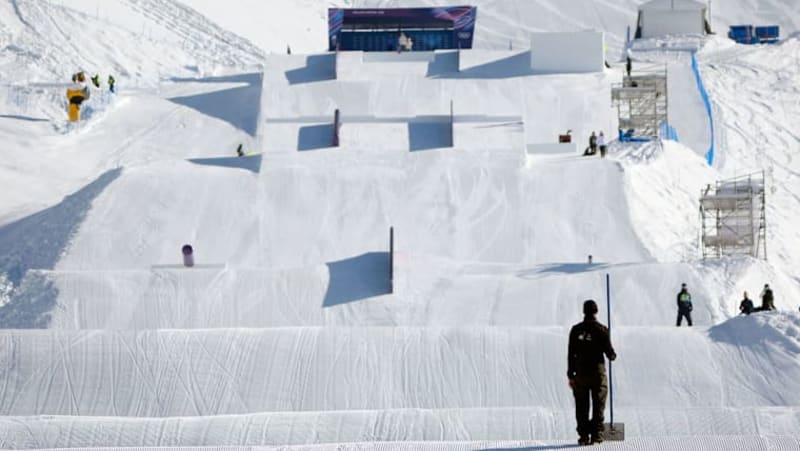
Even snowmaking, essential for reliable competition conditions, is being reimagined. The Games use only the minimum snow needed for safe racing, guided by GPS and snow-depth monitoring systems to prevent overproduction. Food-grade dyes mark courses instead of chemicals, and renewable electricity powers every snowmaking machine.
Transportation received a complete overhaul too. With events spread across multiple regions, trains and shuttles take priority over private cars. Organizers aim for 20% fewer vehicles compared to the 2006 Turin Olympics, and one-fifth of the official fleet runs on electricity.
The Ripple Effect extends far beyond two weeks of competition. Around 24,000 items from last summer's Paris Olympics, including furniture and equipment, were shipped to Italy for reuse rather than manufactured new. Food leftovers from venues get recovered and redistributed to communities in need.
The host regions are gaining lasting infrastructure improvements too. Upgraded electricity grids, expanded fiber internet connections, and enhanced medical services will serve residents for decades after athletes go home.
"Sustainability is not a word. It's actions that translate into results," said Christophe Dubi, IOC Executive Director of the Olympic Games, at a recent press conference. For winter sports facing existential threats from climate change, these practical measures matter more than promises.
The International Olympic Committee is backing words with commitments, targeting a 50% reduction in its own carbon footprint by 2030 while working with sports federations worldwide to drive climate action.
These Winter Games prove that excellence in sport and responsibility to our planet can go hand in hand.
More Images



Based on reporting by Google News - Clean Energy
This story was written by BrightWire based on verified news reports.
Spread the positivity!
Share this good news with someone who needs it