Winters 9 Days Shorter in 80% of Major US Cities
New research shows winters have shrunk by an average of nine days across 195 US cities since the 1990s. The data reveals a warming trend even as recent major snowstorms make headlines.
Spring is arriving earlier and winter is starting later across America, according to new research that offers a surprising silver lining to our changing climate.
Climate Central analyzed 195 major US cities and found that winters today are nine days shorter on average than they were between 1970 and 1997. The coldest 90 consecutive days of the year now arrive later and end sooner in 80% of cities studied.
Some cities have seen dramatic changes. Juneau, Alaska experienced the biggest shift with winters shrinking by 62 days, while Anchorage lost 49 winter days. Cities across the Southeast, Northeast, and Upper Midwest saw the largest decreases.
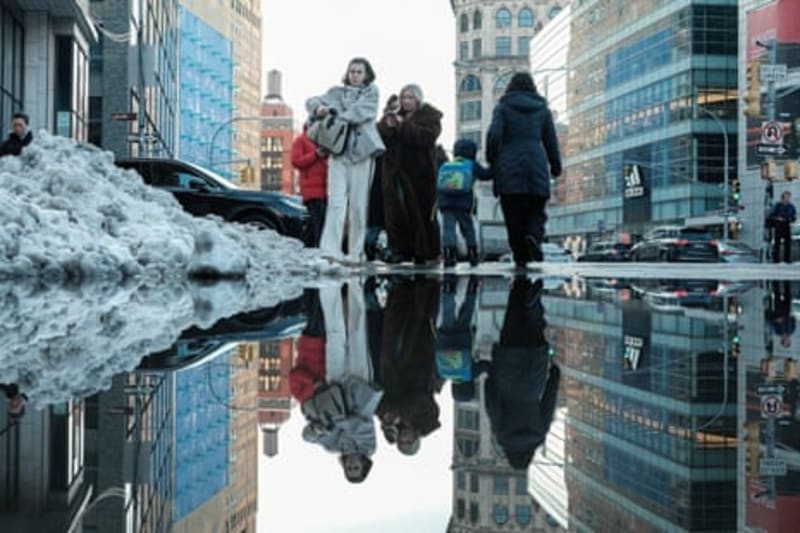
The findings feel especially surprising given this February's historic nor'easter blizzard, the strongest storm in a decade. More than three feet of snow buried parts of Rhode Island, surpassing the famous 1978 blizzard totals.
But shorter winters don't mean no winters, explains climate scientist Mathew Barlow from the University of Massachusetts Lowell. When winter storms do hit, they can actually be more intense because warmer air holds more moisture.
The Bright Side
These warmer, shorter winters are already changing American life in measurable ways. People in dozens of cities are spending more days enjoying outdoor activities without heavy coats and can plan spring events earlier in the year.
The shift also means extended growing seasons in many regions. Farmers and gardeners gain extra weeks of planting time, while homeowners enjoy longer periods of moderate weather for outdoor projects and recreation.
About 15% of cities actually saw winters lengthen, particularly along the California coast and Ohio Valley. The data shows climate change doesn't affect every region identically, creating a patchwork of different experiences across the country.
While the ski industry faces challenges from reduced snow cover, other outdoor recreation sectors are seeing opportunities expand. Hiking, biking, and camping seasons now stretch weeks longer than a generation ago.
Understanding these patterns helps communities plan better for the future, from water management to public health preparations. The more we know about changing seasons, the better we can adapt our cities, infrastructure, and daily lives to support thriving communities year-round.
More Images

Based on reporting by Guardian Environment
This story was written by BrightWire based on verified news reports.
Spread the positivity!
Share this good news with someone who needs it