Wisconsin Citizen Scientists Hunt Shipwrecks for $20 a Year
Ordinary Wisconsinites are solving century-old maritime mysteries by joining a volunteer archaeology group that welcomes anyone with curiosity. Last year they found their first wreck, and now they're searching for a ship lost in 1913's deadliest storm.
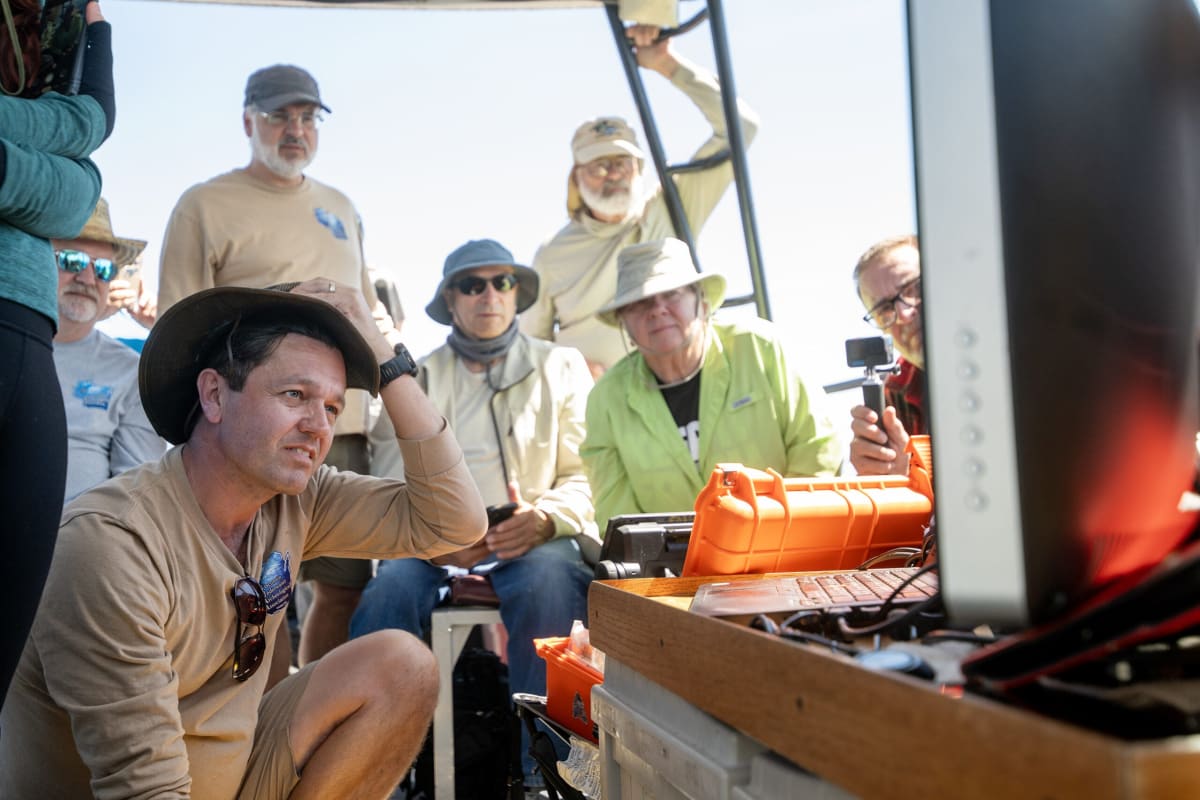
A lobbyist, a stay-at-home mom, and a dozen other everyday Wisconsinites just spent a summer weekend doing what professional archaeologists rarely have time for: searching Lake Michigan's floor for a ship that vanished 113 years ago.
The Wisconsin Underwater Archeology Association costs just $20 to join, or nothing if you're a student. No formal training required. Just curiosity about Great Lakes history and a willingness to help solve mysteries that have haunted these waters for generations.
Their latest mission took them to Washington Island in Door County, where they scanned previously unexplored sections of the lake for the Plymouth. The 213-foot schooner barge sank during November 1913's catastrophic storm, which killed 260 people in a single weekend and sent 12 ships to the bottom with entire crews aboard.
One victim was Christopher Keenan, a U.S. Marshal riding the Plymouth because of pending lawsuits against the lumber company. His message in a bottle eventually washed ashore: "Goodbye, dear ones. I might see you in heaven. Pray for me." At the bottom, he added that the lumber company owed him $35 and his family should collect it.
WUAA member Ric Mixter has researched that storm for years and can't forget Keenan's final words. By piecing together that message, old newspaper accounts, and wind pattern data, the group identified where the Plymouth might rest.
They know what they're doing. Last year, WUAA members found the F.J. King, a cargo ship that sank in 1886. It was their first citizen science search, and they succeeded.
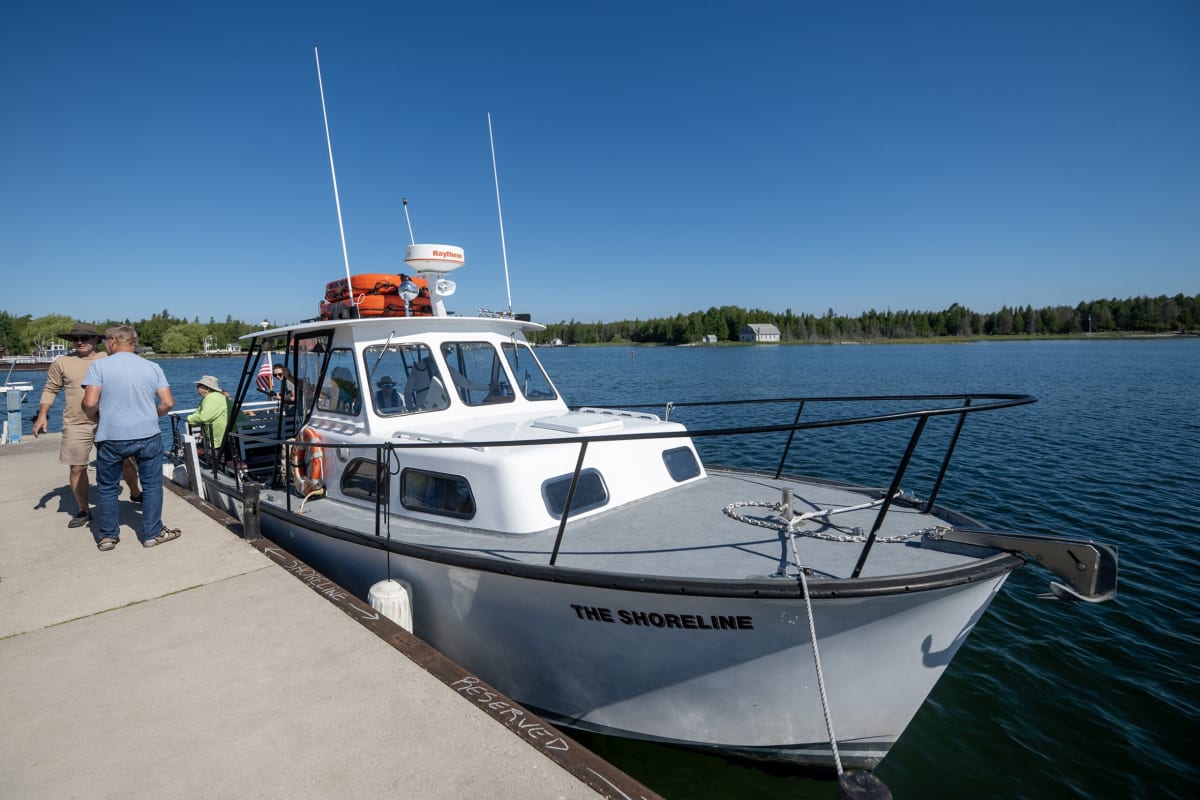
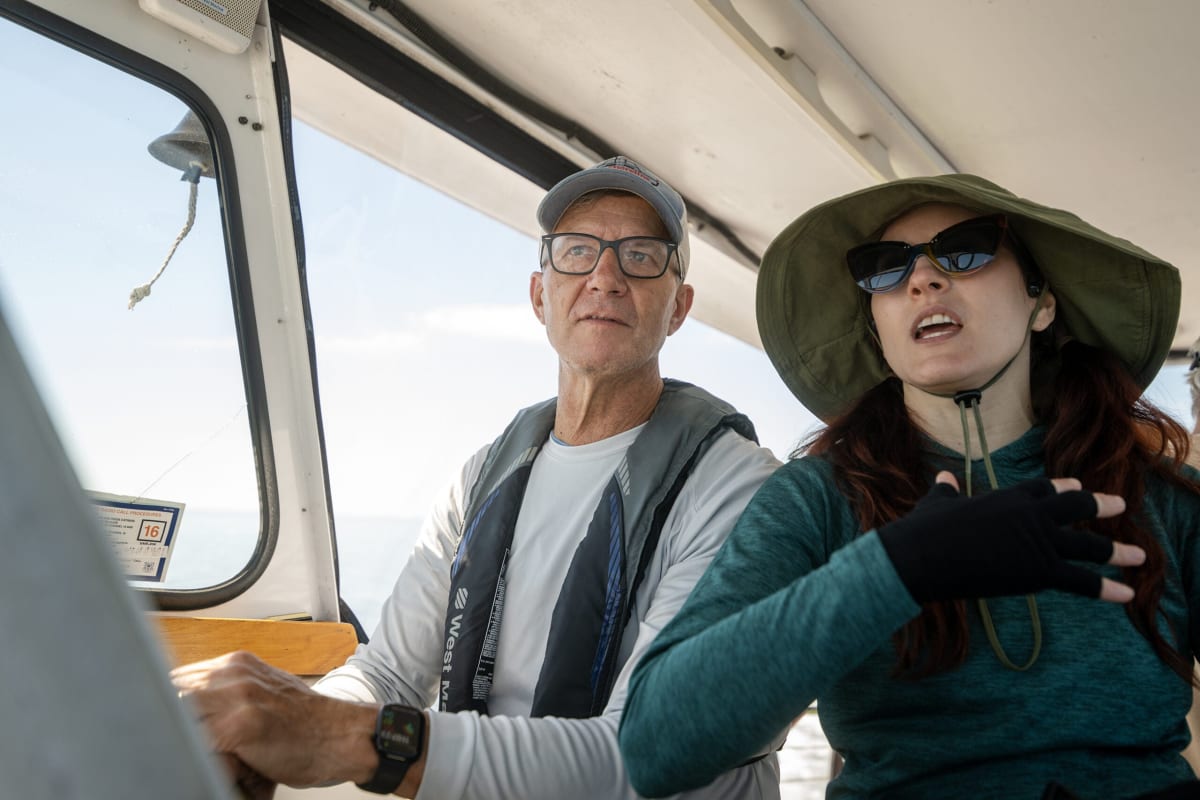
Captain Stiles Meredith volunteered his tourist boat, the Shoreline, for the Plymouth expedition. On their second search day, Lake Michigan was smooth as glass, nothing like the hurricane-force blizzard that claimed the ship.
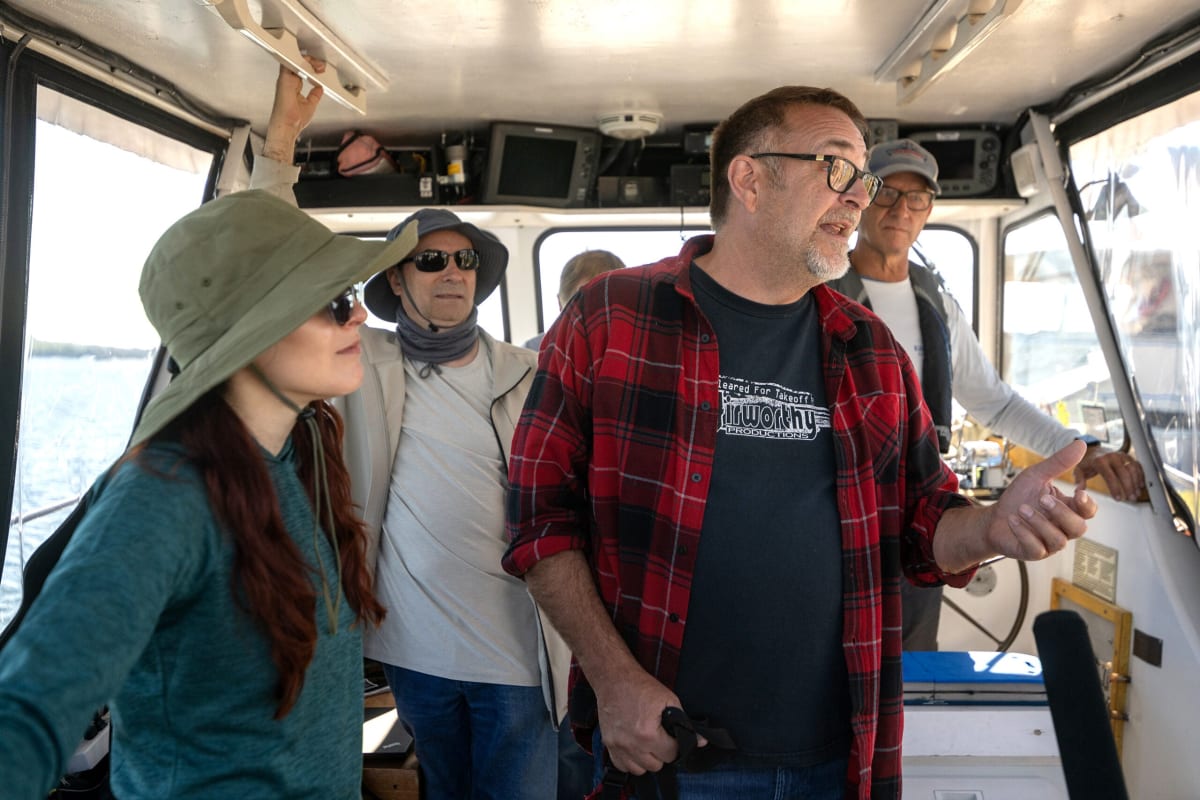
The group's members bring different skills to each search. Laura Bond, a Mount Pleasant mom, worked in maritime education and is heading back to graduate school. Sharon Cook, a Milwaukee retiree, learned to scuba dive after becoming fascinated with shipwrecks. "You have one life," Cook said. "I die once. I'm living every day."
Why This Inspires
WUAA President Brendon Baillod said the group bridges a gap between secretive wreck hunters who hoarded discoveries and professional archaeologists with limited funding. By opening maritime archaeology to everyone, they're changing who gets to make history.
Kevin Cullen, a board member who also directs the Wisconsin Maritime Museum, believes this is how all science should work. "If you don't disseminate it to the public, then the meaning and importance of that type of science is not preserved," he said.
These citizen scientists prove you don't need a PhD to contribute to human knowledge, just passion and a willingness to show up.
More Images

Based on reporting by Google News - Scientists Discover
This story was written by BrightWire based on verified news reports.
Spread the positivity!
Share this good news with someone who needs it


%2Fhttps%3A%2F%2Ftf-cmsv2-smithsonianmag-media.s3.amazonaws.com%2Ffiler_public%2Fd4%2F35%2Fd435cbc4-4133-4ef8-bfac-d92150dad49c%2Flongkneecapbox.jpg)