Wisconsin Solar Boom Continues Despite Federal Cuts
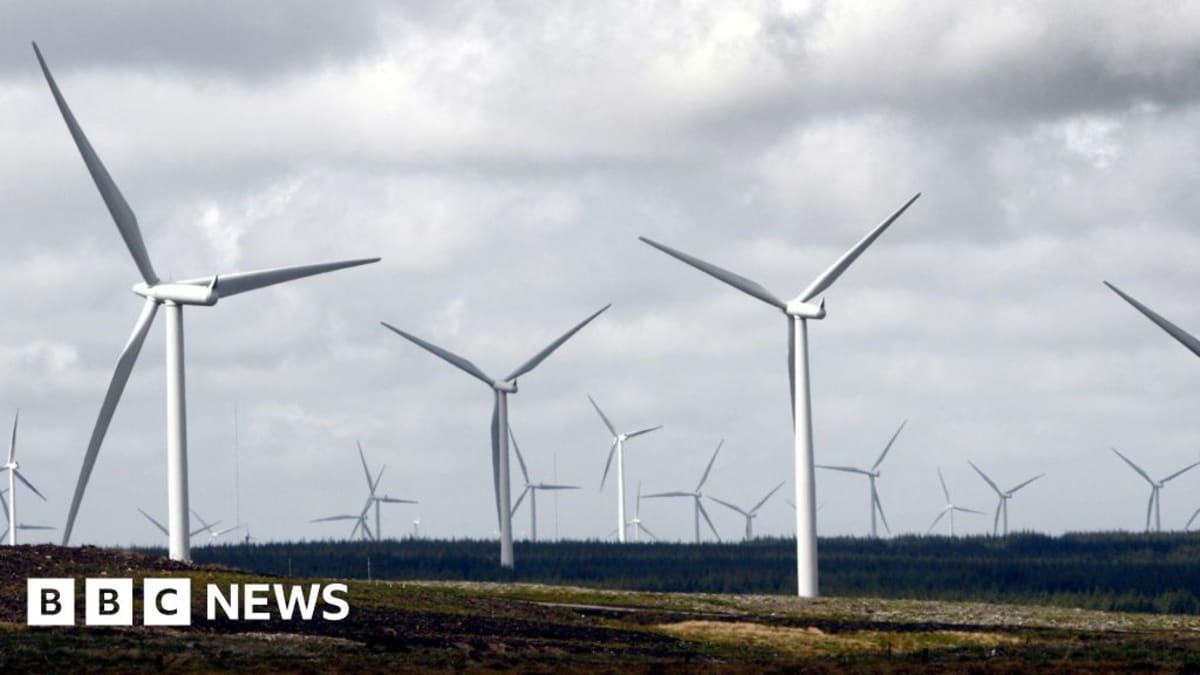
Solar energy and battery storage are thriving in Wisconsin as technology improves and costs drop, even after federal green energy incentives ended. Demand is soaring as residents seek backup power and utilities race to meet energy needs from new data centers.
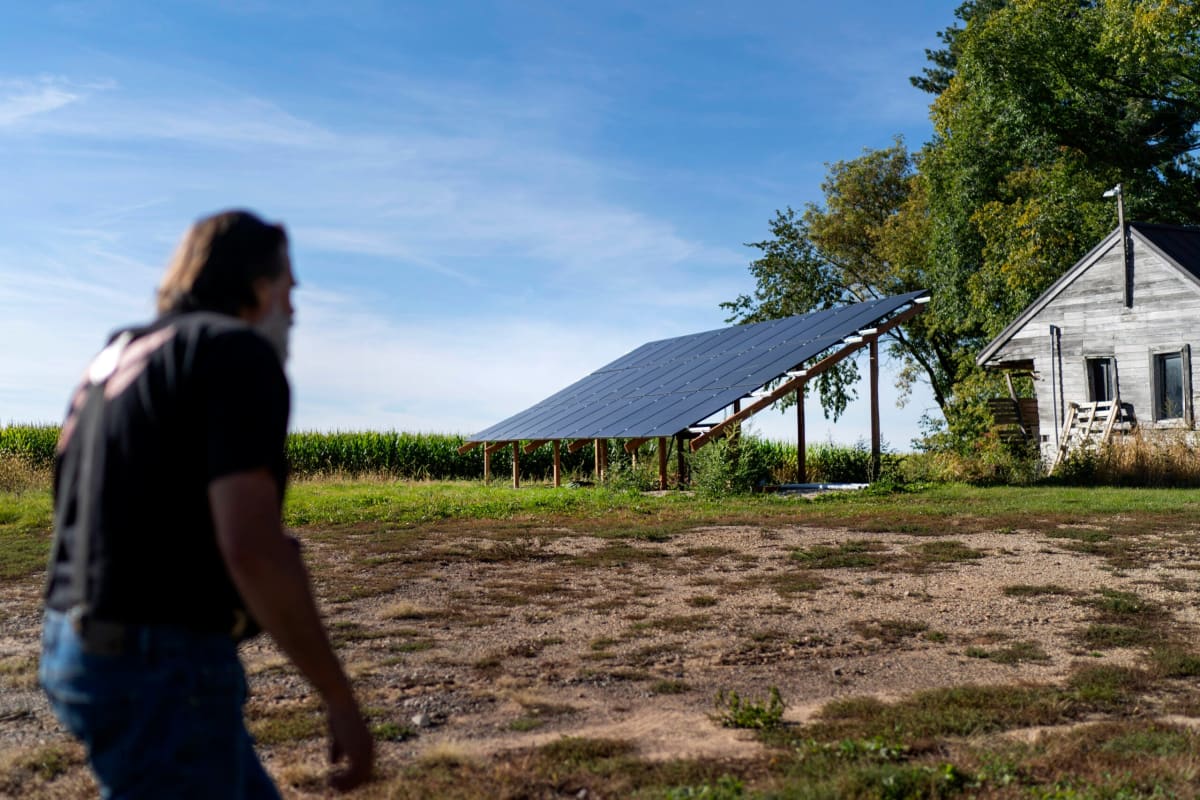
Six years ago, JD Smith had to deliver bad news to most people calling about solar power. Going off the grid with batteries would cost over $50,000, and one in four customers would simply walk away when they heard the price.
Today, everything has changed. Half of Arch Solar's customers in Milwaukee now happily pay for battery systems, not to go completely off grid, but just to keep their lights on when the power fails.
The shift happened fast, mainly in the last two years. "People are not taking the power grid for granted anymore," Smith told Wisconsin Public Radio. Even without being able to ditch utility companies entirely, homeowners want protection against outages.
This surge in green energy is happening at the exact moment Washington pulled the plug on support. President Donald Trump and Congress recently eliminated tax credits from the Inflation Reduction Act that helped people afford solar panels, electric cars, and home efficiency upgrades.
But the industry keeps growing anyway. Smith, now director of marketing at Arch Solar, expects some smaller installers to close shop, but larger companies should thrive thanks to dramatic technological leaps that have made solar and batteries better and cheaper than anyone imagined just a few years ago.
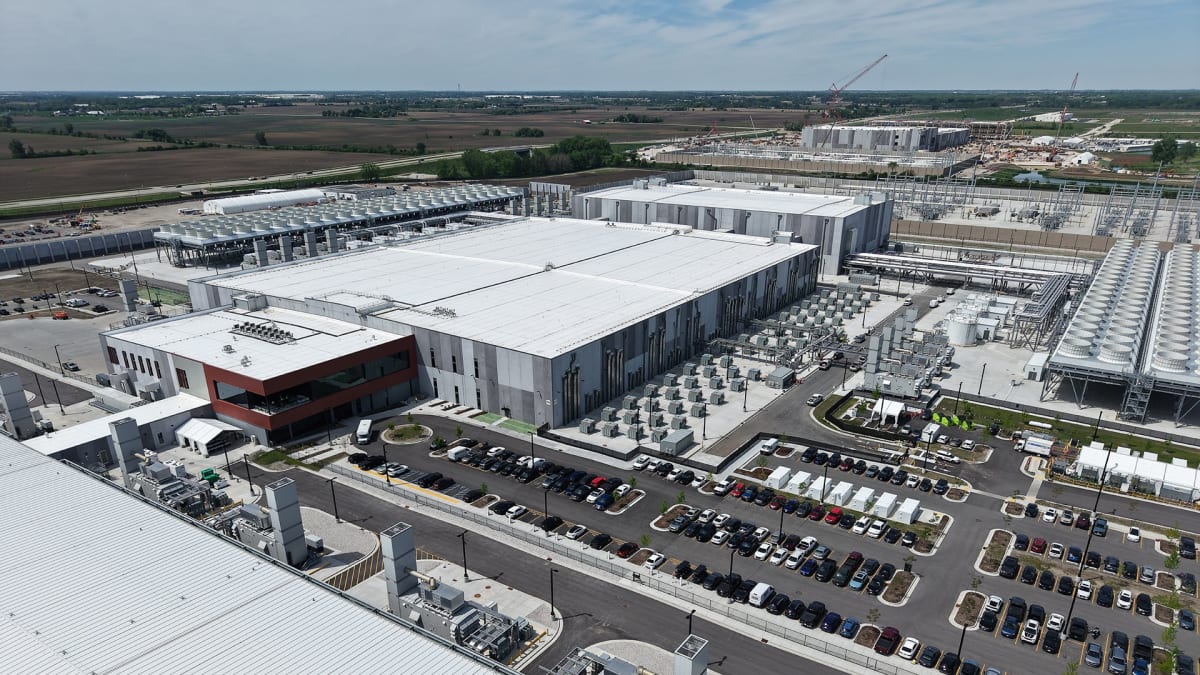
The timing couldn't be better. Energy-hungry data centers are popping up across Wisconsin and the nation, desperately needing power fast. "Renewable energy is the fastest form of energy to get on the grid, and it's also the cheapest per kilowatt," said Emma Heins from Advanced Energy United.
The Bright Side
Wisconsin locked in two major programs before federal funding disappeared. The state received block grants that will last until 2031, keeping help available for families who want to upgrade their homes.
The Home Efficiency Rebates program offers up to $10,000 for projects like better insulation, new windows, or energy-efficient appliances. Sometimes it covers the entire cost. Meanwhile, the Home Electrification and Appliance Rebates program gives low and moderate income families up to $14,000 for similar upgrades.
Wisconsin was actually one of the first states to launch these programs after the Inflation Reduction Act passed. That quick action saved funding that families can still use today.
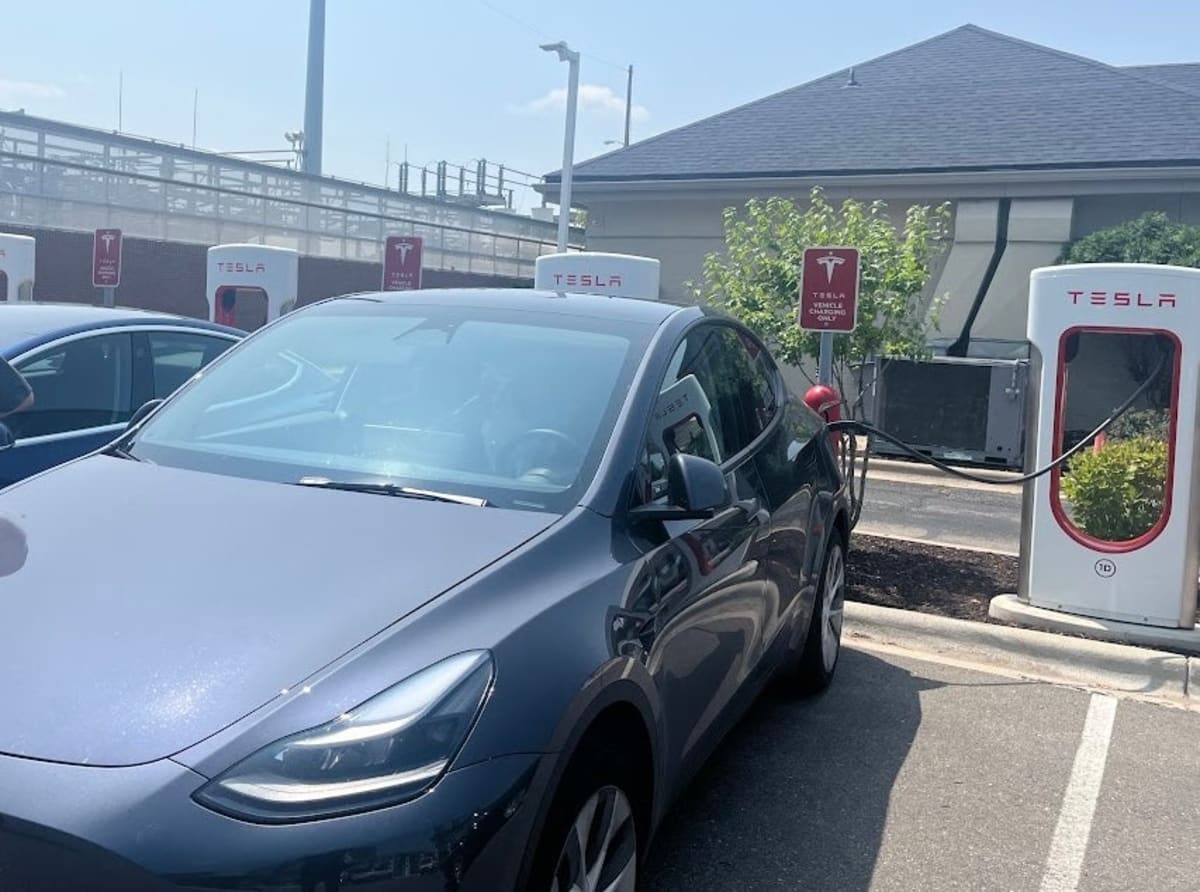
Electric vehicles are moving slower in Wisconsin than solar, mostly because charging stations remain scarce. Heins calls it a chicken and egg problem: people won't buy EVs without chargers, and developers won't build chargers without more EVs on the road.
Wisconsin is tackling that gap with federal money, building visible charging stations along highways so drivers can make it to a Packers game without worrying their battery will die.
The green energy revolution isn't stopping, even without Washington's help.
More Images

Based on reporting by Google News - Clean Energy
This story was written by BrightWire based on verified news reports.
Spread the positivity!
Share this good news with someone who needs it