Wisconsin Survivor Pushes Early Screening as Colon Cancer Rises
Matthew Scholtes is turning his colon cancer journey into a mission to save lives through early detection. His advocacy comes as colorectal cancer becomes the leading cause of cancer death in young adults.
Matthew Scholtes thought he was doing everything right when colon cancer found him at age 49. The vegetarian ate plenty of fiber, avoided alcohol and smoking, and stayed active, but weight became his unexpected risk factor.
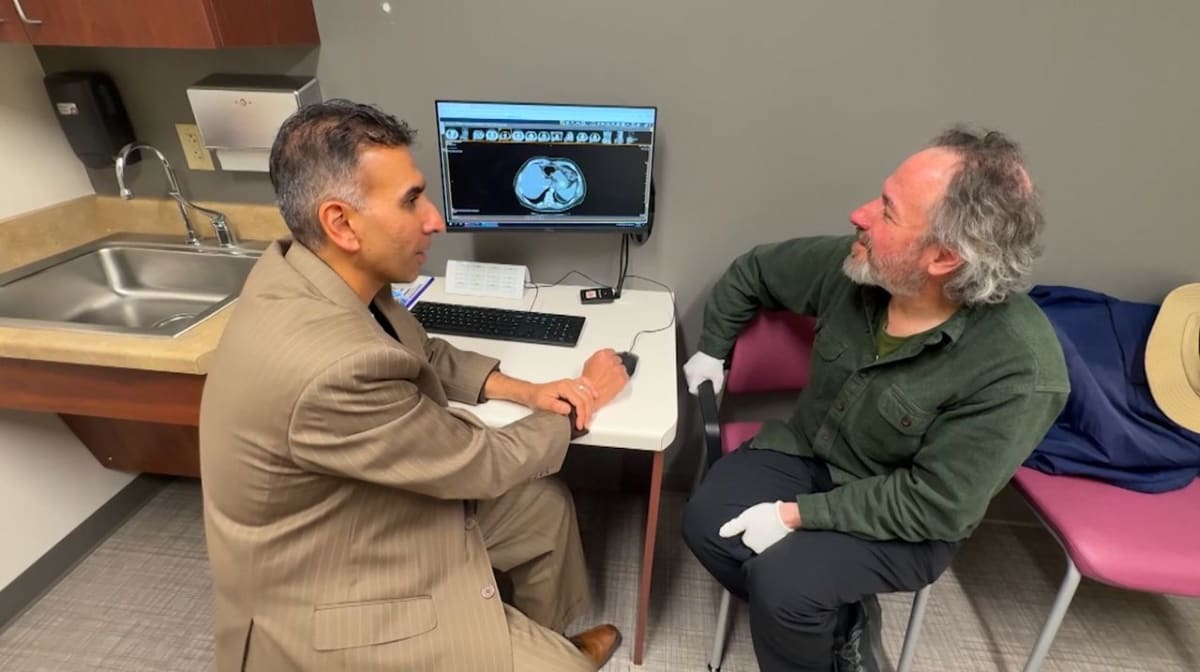
Four years after his initial diagnosis and successful surgery, Scholtes faced another challenge when cancer spread to his liver. He underwent a second surgery and now continues chemotherapy while advocating for earlier screening.
His timing couldn't be more critical. Colorectal cancer, once rare in younger people, now rises by nearly 3% each year in adults under 50, according to the Cancer Research Institute.
Dr. Ajay Sahajpal, a surgical oncologist at Ascension Wisconsin treating Scholtes, says researchers haven't pinpointed one cause for the alarming trend. Multiple lifestyle factors likely play a role, including obesity, low fiber intake, and sedentary habits.
The doctor emphasizes simple prevention strategies that make a real difference. Adding more fruits, vegetables, and especially fiber to your diet helps keep your colon healthy by promoting proper digestion and maintaining beneficial gut bacteria.
Many Americans don't get enough fiber, Sahajpal notes. It helps bulk up stool, draws in water for softness, and keeps things moving properly through your system.
The Ripple Effect
Scholtes' advocacy is helping spread an important message about body awareness and preventive care. He encourages everyone to pay attention to changes in bowel movements and keep up with doctor appointments, even when feeling healthy.
The U.S. Preventive Services Task Force now recommends colonoscopy screening starting at age 45 for all adults. People with family history or additional risk factors can begin even earlier.
"I would recommend following the guidance and get the routine colonoscopies when they recommend it, if not sooner," Scholtes urges. His experience proves that even healthy lifestyles don't guarantee protection, making regular screening essential.
His message is clear: early detection saves lives, and no one is too young to take colorectal health seriously.
More Images

Based on reporting by Google News - Cancer Survivor
This story was written by BrightWire based on verified news reports.
Spread the positivity!
Share this good news with someone who needs it