Wisconsin Volunteers Answer Late-Night Calls to Save Lives
When domestic violence victims need help after hours, volunteers in Chippewa Falls step up to answer crisis calls that can mean the difference between life and death. The Family Support Center is training more advocates after high-risk cases jumped 5% in 2025.
When police knock on a door at 2 a.m. for a domestic violence call, the danger doesn't wait until morning. That's when volunteer advocates across Chippewa County answer their phones to help survivors through their darkest hours.
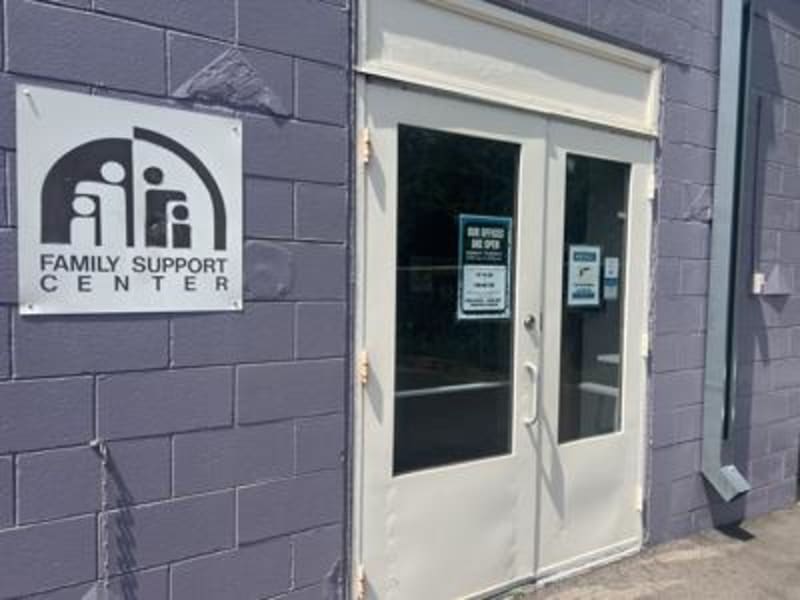
The Family Support Center in Chippewa Falls relies on on-call volunteers who work through the night connecting domestic violence victims with immediate safety resources. These advocates take crisis calls, meet survivors at hospitals for forensic exams, and coordinate with law enforcement until the center opens the next day.
The need has never been greater. In 2025, local police departments and the Chippewa County Sheriff's Office conducted 117 lethality screenings, assessments that determine if a victim faces immediate danger of being killed by their partner. That's a 5% increase from 2024, with nearly half classified as high-risk situations.
"They're beyond essential," said Xander Bobolz, a resource development coordinator with the Family Support Center. "We could not do the work we do without on-call advocates volunteering their incredibly precious time to be here for survivors."
The system works through a protocol police have used since 2020. When officers respond to domestic violence incidents, they administer a quick screening. If someone scores high risk, they're immediately connected to the Family Support Center, even if it's the middle of the night.
That's where volunteers become lifelines. They provide crisis support, safety planning, and a compassionate voice during terrifying moments. Their work bridges the critical hours between immediate danger and professional services opening in the morning.
The Ripple Effect
Every volunteer trained creates a stronger safety net for the entire community. The center currently maintains a healthy roster of advocates, but demand keeps growing.
The most recent training session scheduled for late January filled up completely, showing community members are eager to help. Volunteers receive comprehensive training on crisis intervention, trauma-informed care, and survivor support before taking their first call.
Each person who steps up to volunteer doesn't just help one survivor. They strengthen the entire network that keeps vulnerable people safe, showing that even in dark moments, someone is always ready to answer the call.
More Images

Based on reporting by Google: volunteers help
This story was written by BrightWire based on verified news reports.
Spread the positivity!
Share this good news with someone who needs it