Wisconsin's Clean Energy Boom Continues Without Tax Breaks
Wisconsin's renewable energy market is thriving even after federal tax incentives disappeared, powered by cheaper technology and soaring demand. Solar companies report half their customers now buy battery backup systems that cost $50,000 just two years ago.
Six years ago, JD Smith had to crush people's dreams about going off the grid. When customers called Arch Solar in Milwaukee asking about battery storage for their homes, the $50,000 price tag usually ended the conversation right there.
Today, those same systems are flying off the shelves. Half of Smith's customers now buy batteries, not to escape the grid entirely, but to protect themselves when it fails.
The transformation happened fast. In just two years, Wisconsin homeowners went from thinking backup power was too expensive to considering it essential. Smith, now Arch Solar's director of marketing, says people simply don't trust the grid anymore.
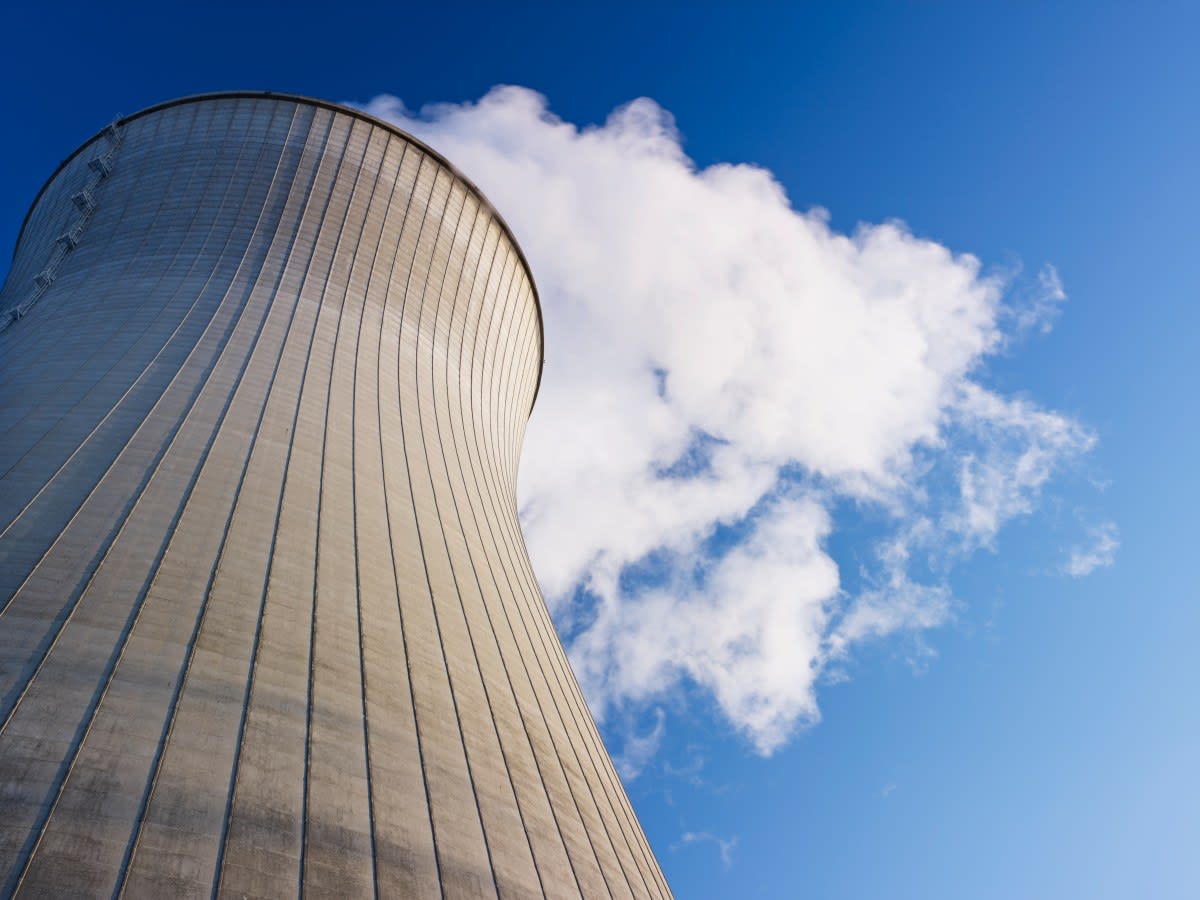
The boom is happening at the perfect time. Renewable energy costs have dropped so dramatically that solar and wind are now the cheapest power sources per kilowatt. They're also the fastest to install, which matters as energy-hungry data centers sprout up across Wisconsin.
Emma Heins from Advanced Energy United sees the momentum continuing. "We have the tools to be able to meet this moment, which is really exciting," she told Wisconsin Public Radio.
President Trump and Congress eliminated the Inflation Reduction Act's green energy tax credits earlier this year. But Wisconsin locked in federal funding before the cuts hit, creating two programs that will run through 2031.
The Home Efficiency Rebates program offers up to $10,000 for upgrading insulation, windows, doors, and appliances. Some projects qualify for full coverage. Low and moderate income families can get up to $14,000 through a separate program for home electrification.
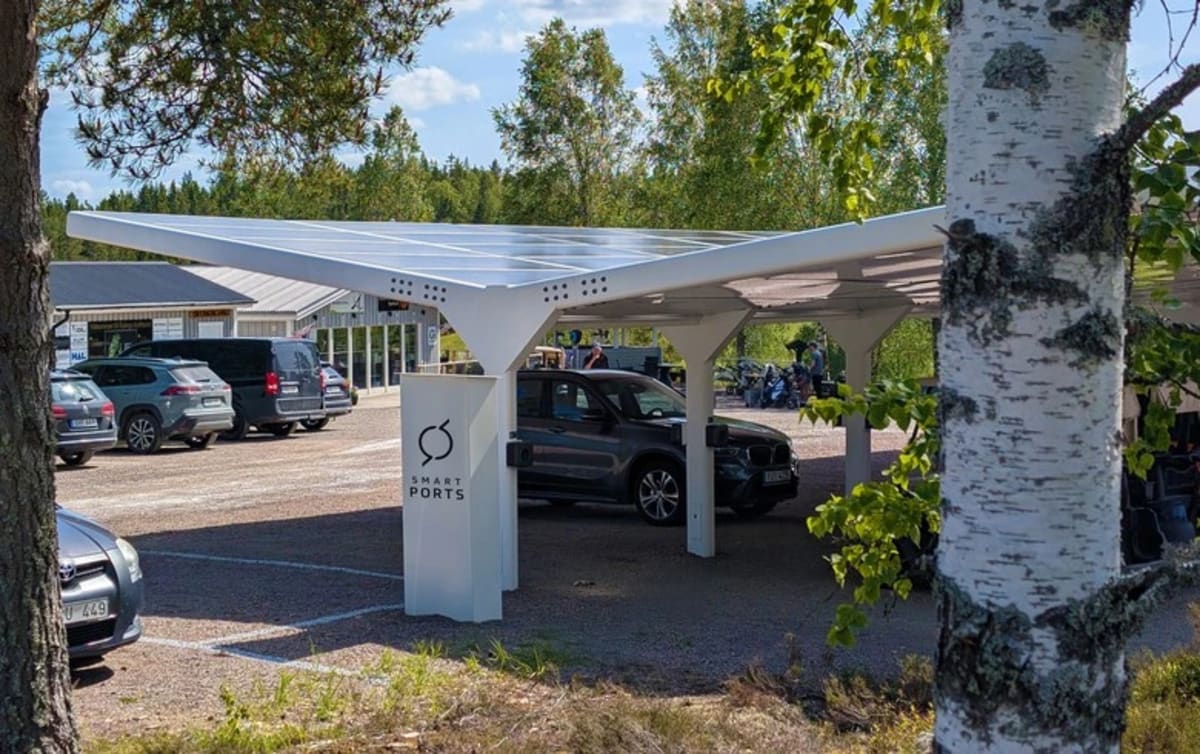
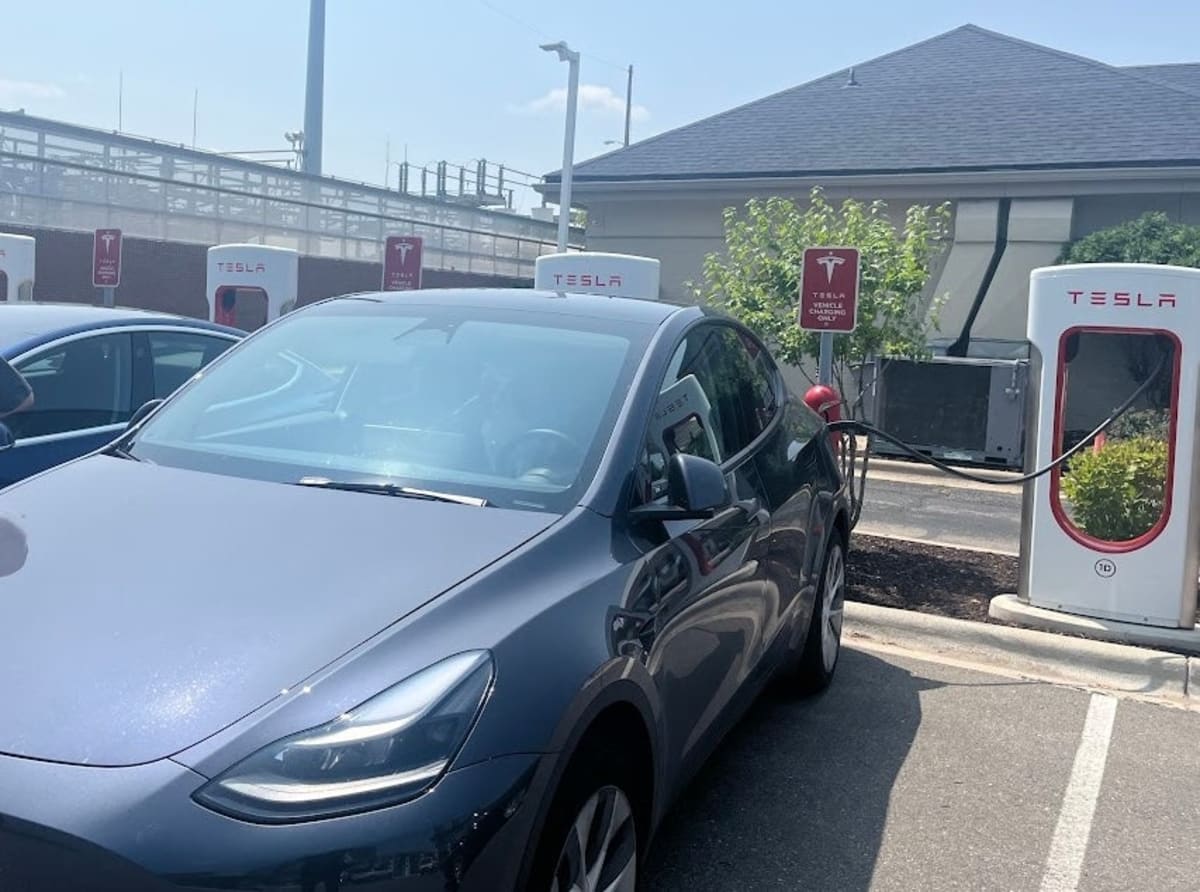
Electric vehicles are moving slower in Wisconsin than in neighboring states. Heins points to the classic chicken and egg problem: people won't buy EVs without charging stations, and developers won't build stations without more EVs on the road.
Wisconsin responded by using federal money to build charging infrastructure itself. The state created a network designed to let drivers travel anywhere, even to Packers games in Green Bay, without worrying their battery will die.
The Bright Side
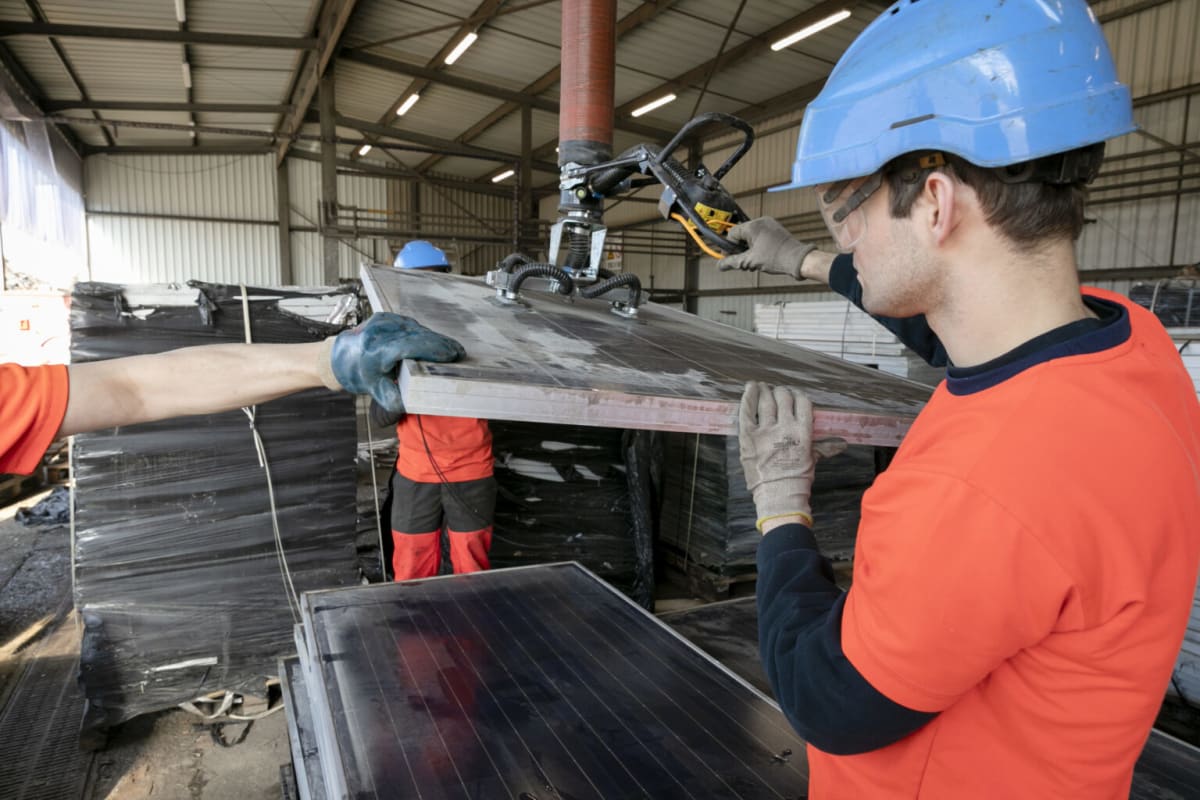
Smith expects smaller solar installers to struggle without federal incentives. But larger companies like his are weathering the political shift because the technology itself has become so compelling.
Solar panels and batteries have advanced beyond what anyone imagined just a few years ago. Prices dropped while performance soared. Now the economics work even without subsidies.
The invisible hand of the market is pushing Wisconsin green, regardless of what happens in Washington.
Based on reporting by Google News - Clean Energy
This story was written by BrightWire based on verified news reports.
Spread the positivity!
Share this good news with someone who needs it