Woman Documents Lost Rajasthani Recipes From Elders
A food researcher in Rajasthan is racing against time to preserve centuries-old recipes by interviewing grandmothers before their culinary knowledge disappears. Through "The Kindness Meal," she's connecting generations and saving flavors that shaped an entire region.
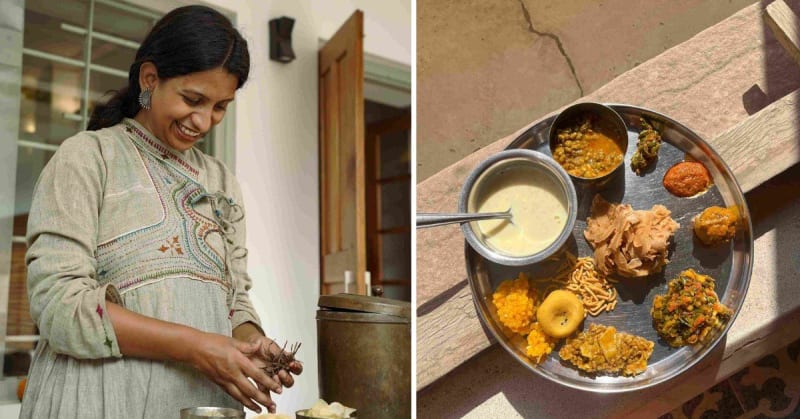
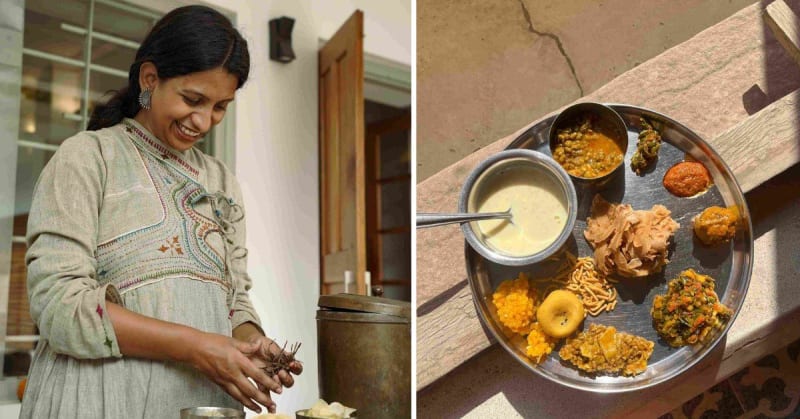
When 72-year-old Manju Kothari makes gondh ke ladoo, a traditional Rajasthani winter sweet, she knows it will never taste quite like her mother's version. But thanks to food researcher Dipali Khandelwal, at least the recipe won't die with her generation.
Dipali founded "The Kindness Meal" in Jaipur to document and preserve forgotten Rajasthani dishes before they vanish forever. Growing up in a large joint family where food was central to daily life, she watched her grandfather obsess over every ingredient, even specifying which region his dates should come from.
That early exposure sparked a lifelong passion. For the past seven years, while curating cultural festivals across India, Dipali noticed something troubling: traditional recipes were disappearing at an alarming rate.
The reasons are heartbreaking. Rural families increasingly view their traditional foods as inferior to urban cuisine. One woman near Bikaner told Dipali she refuses to feed her son bajre ki roti, a pearl millet flatbread, fearing city dwellers might mock him for eating village food.
During a summer visit to a weaving community, Dipali requested the simple chaas roti the host's son was eating. The naturally cooling dish combines dried chapati with cold buttermilk, perfect for scorching Rajasthani summers. But the mother protested, calling it "dehati" food, a derogatory term for rural cuisine.
That moment changed everything for Dipali. She realized these communities were sitting on culinary treasures while feeling ashamed to share them.
Now she spends her time with elders like Manju, recording their stories and recipes. Manju, who moved from Churu to Surat, became one of Dipali's greatest inspirations, sharing countless recipes learned from her own mother and mother-in-law.
The Ripple Effect
Beyond preserving recipes, Dipali is rebuilding cultural pride. Each documented dish represents not just ingredients and techniques, but centuries of wisdom about local climate, seasonal eating, and community bonds. When younger generations learn these recipes, they're reconnecting with their heritage.
The work extends beyond nostalgia. Many traditional Rajasthani dishes use local ingredients perfectly adapted to desert conditions, offering sustainable food solutions that processed alternatives can't match. As climate concerns grow, this ancient knowledge becomes increasingly valuable.
Dipali's mission is personal too. She remembers the conversations, experimentation, and sharing that filled her childhood home. By facilitating generational exchange, she's helping other families create those same meaningful connections around food.
Every recipe she saves is a small victory against homogenization, proving that progress doesn't require abandoning tradition.
More Images
%2Fenglish-betterindia%2Fmedia%2Fpost_attachments%2Fuploads%2F2024%2F12%2FTBI-featured-image-37_11zon-1733392572.jpg)
%2Fenglish-betterindia%2Fmedia%2Fpost_attachments%2Fuploads%2F2024%2F12%2FDipali-with-Maa_11zon-1733391791-500x625.jpg)
Based on reporting by The Better India
This story was written by BrightWire based on verified news reports.
Spread the positivity!
Share this good news with someone who needs it