Woman Gets Medical Answers 30 Years After Infant Surgery
After three decades, Stephanie Saal finally discovered what happened when doctors removed her gonads as a newborn. Her journey is changing how medicine treats intersex children today.
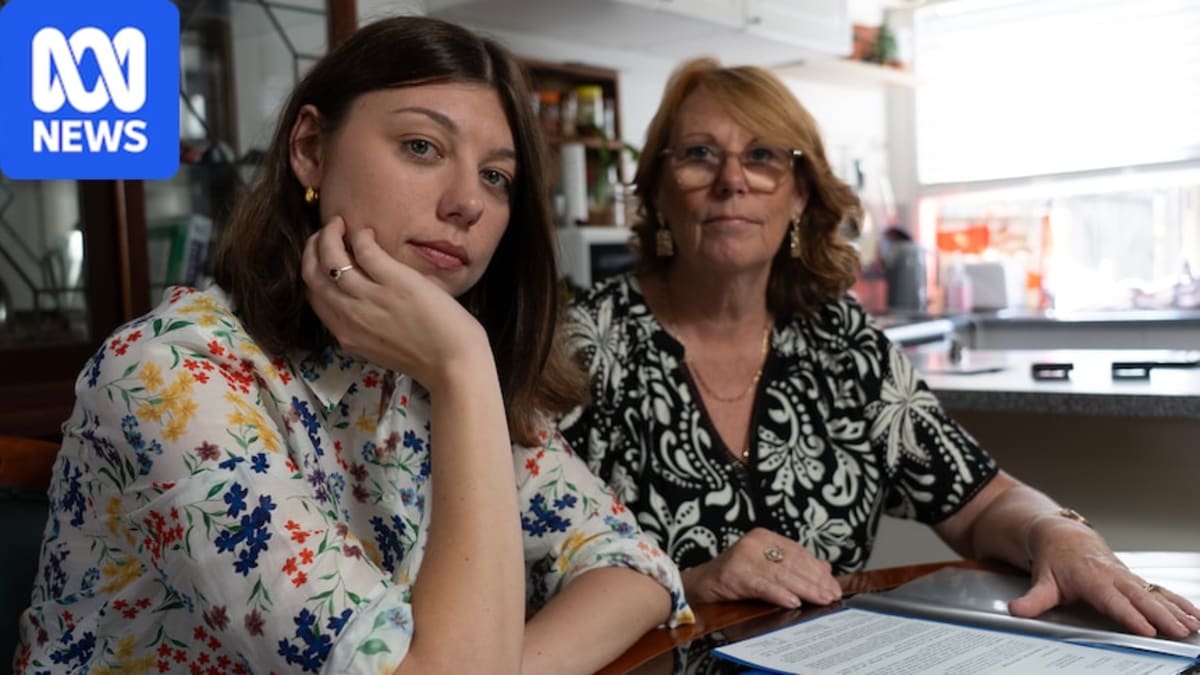
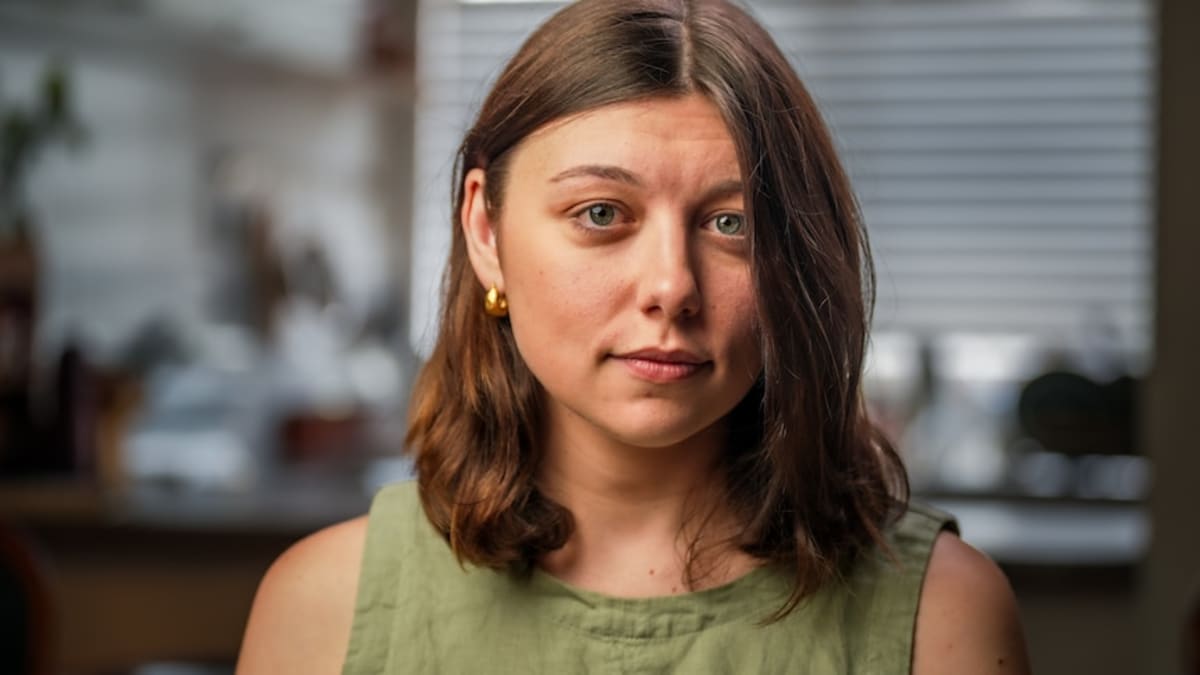
Stephanie Saal spent 30 years wondering about a surgery that changed her life before she could even remember it.
Born in 1995 with an intersex variation, Stephanie came into the world without ovaries or a uterus but with male gonads. Within days, doctors told her parents the gonads needed removal because of cancer risk, giving them just a week to decide.
"My husband and I, we both went, 'the last thing we want now is a child with cancer,'" her mother Linda recalls. What started as a joyous moment with pink balloons turned into rushed confusion and a decision that would haunt the family for decades.
Stephanie grew up with a void she couldn't explain. She wanted children someday and believed that if her gonads had been kept or frozen, she might have had that chance. The what-ifs consumed her.
Last year, she fought through the medical system to find her 1995 records. The first batch of documents revealed nothing, but after further inquiries, a second set appeared with full details of what happened.
The records showed her removed gonads had no evidence of cancer at the time. Stephanie finally had her timeline and her answers.
Why This Inspires
Stephanie's search for truth is changing intersex healthcare. Dr. Jacky Hewitt, a pediatric endocrinologist at Monash University, says medical understanding has evolved dramatically since 1995.
"With time there's been increasing understanding that young people should be involved in decisions regarding their own healthcare," Dr. Hewitt explains. Doctors now know they can counsel families individually about cancer risk rather than rushing to surgery.
Some children can safely keep their gonads with monitoring, removing them only later if needed. And while fertility preservation in intersex cases remains challenging, scientists are developing new technologies that offer hope.
Stephanie's determination to understand her story isn't just personal healing. It's creating a roadmap for other intersex people seeking their medical histories and pushing healthcare systems to be more transparent and patient-centered.
Her courage to share her journey ensures that today's intersex children and their families have more time, more information, and more choices than she did.
More Images



Based on reporting by ABC Australia
This story was written by BrightWire based on verified news reports.
Spread the positivity!
Share this good news with someone who needs it