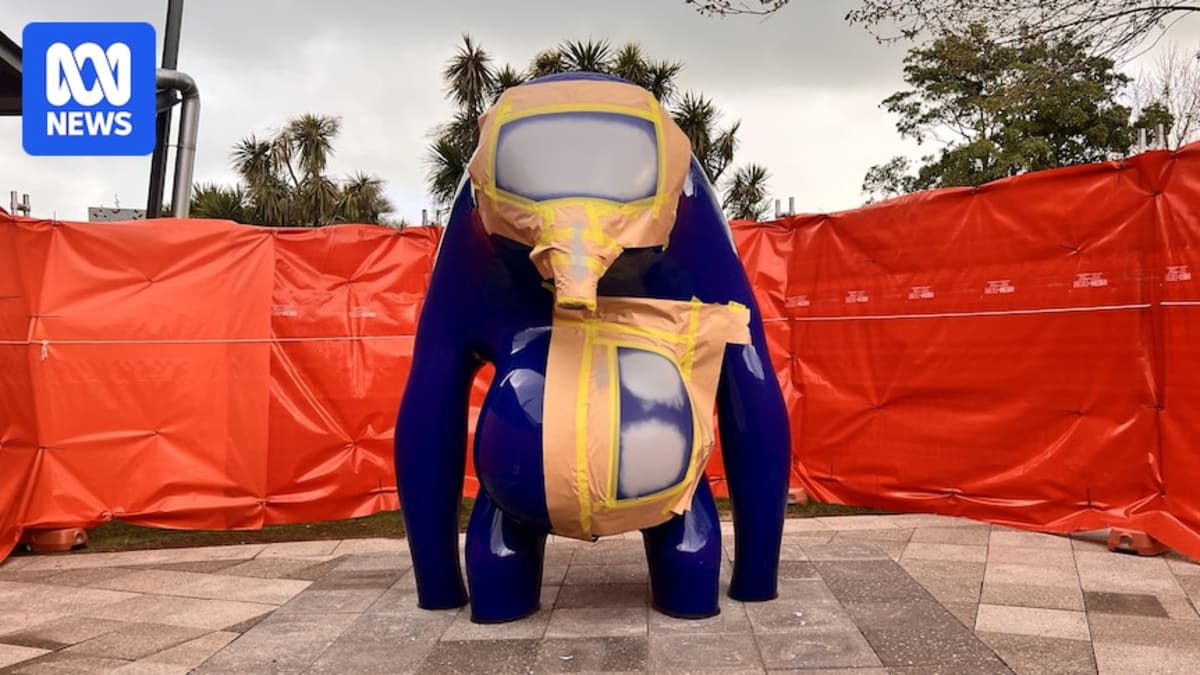
Woman Pays $2K After Googly Eye Art Prank Goes Viral
A 20-year-old who stuck googly eyes on a controversial sculpture learned an expensive lesson about public art. The case shows how communities protect creative spaces while offering paths to redemption.
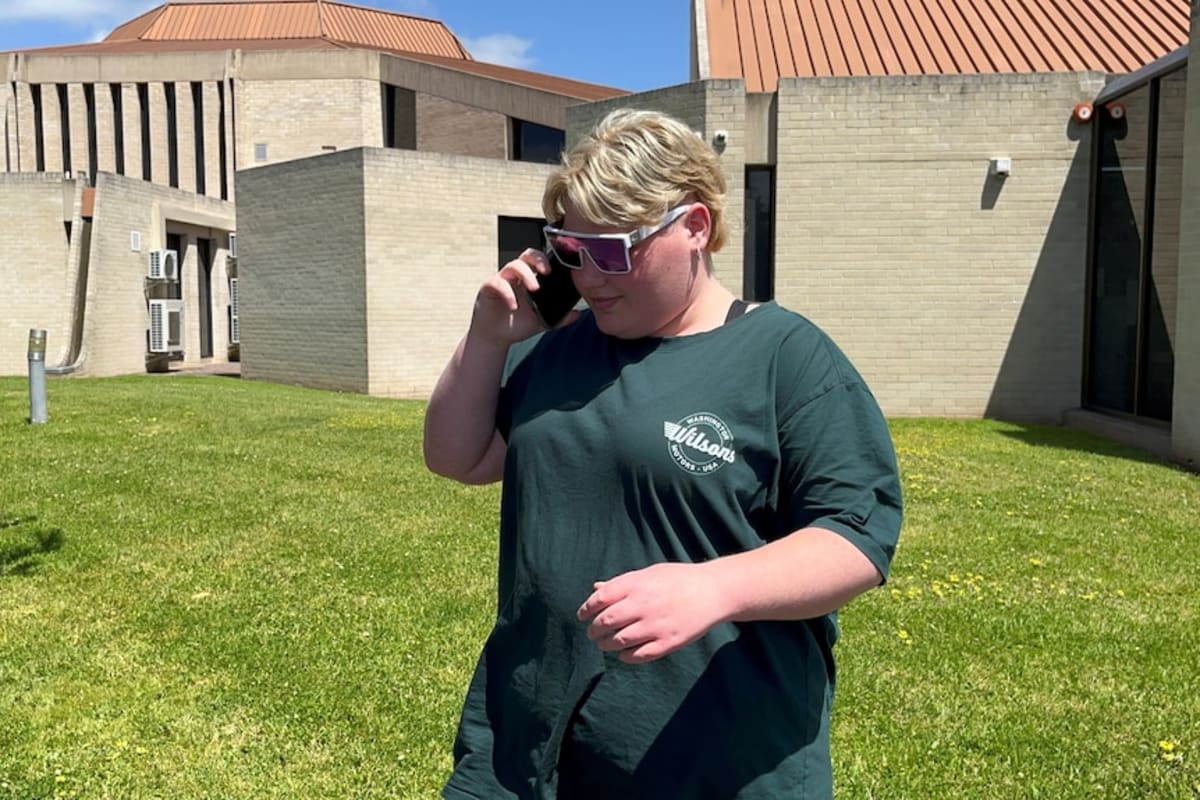
When Amelia Vanderhorst woke up after a night of partying in Mount Gambier, Australia, she didn't expect her googly eye prank to cost nearly $2,000. But the 20-year-old's playful vandalism of the city's polarizing "Blue Blob" sculpture became a teachable moment about respecting public art, even art you don't like.
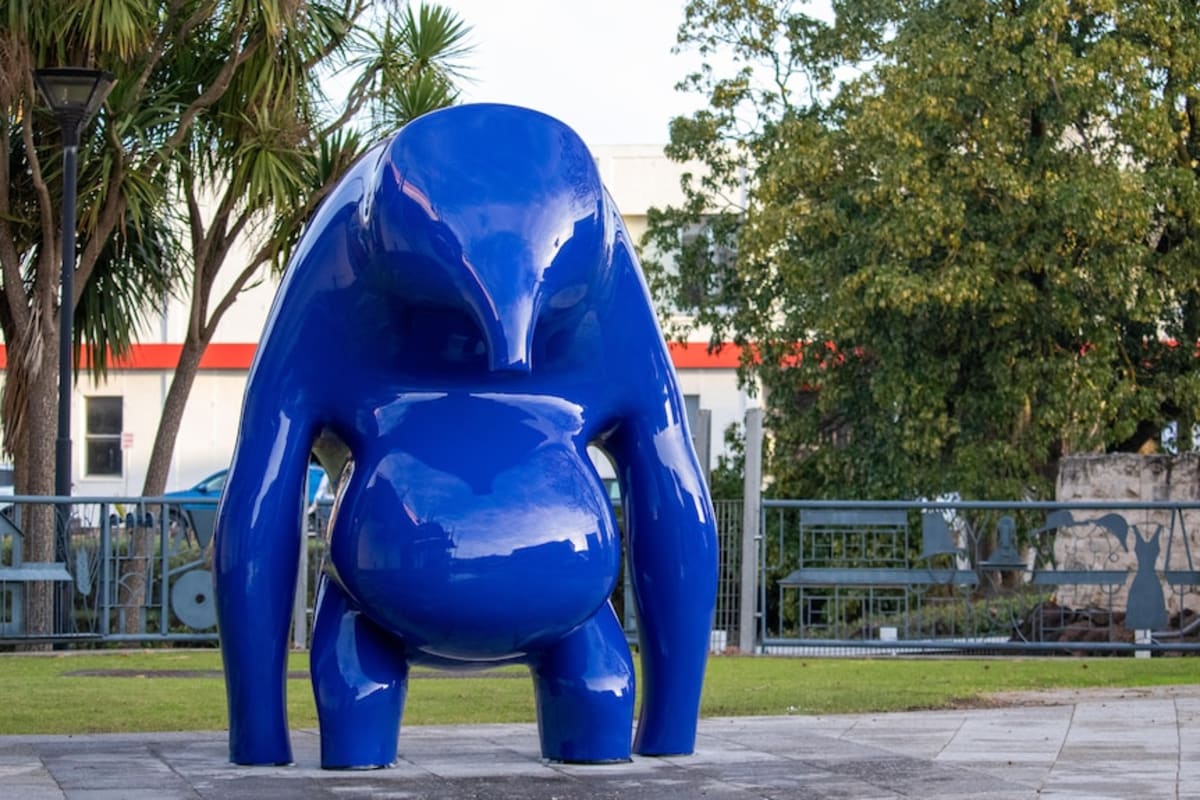
Last September, Vanderhorst posted a video of herself sticking googly eyes on Cast in Blue, a shiny sculpture representing mythical megafauna from Australia's South East. The sculpture had already sparked heated debate among locals about its appearance and cost since its July unveiling.
What seemed like harmless fun required nearly $3,000 in repairs. The adhesive damaged the sculpture's carefully layered paint surface, which gives it its distinctive shine.
Magistrate Kylie Schulz convicted Vanderhorst on graffiti charges this week, ordering her to pay $2,000 in compensation to the Mount Gambier City Council and complete 60 hours of community service. "Your actions mocked the sculpture and the artist," Schulz told the court.
Vanderhorst's lawyer explained she'd been under the influence of drugs and alcohol when she committed the act, calling it "one of the stupidest things I've ever done." She expressed genuine remorse for damaging the artwork.
Why This Inspires
Here's where the story takes a hopeful turn. Since the incident, Vanderhorst has completely turned her life around. She started a new relationship in January with a partner who doesn't support substance abuse, got clean from MDMA, and now only drinks in controlled environments.
The case also sparked important conversations about public art in Mount Gambier. While Cast in Blue remains controversial, Mayor Lynette Martin noted that many community members have embraced the sculpture. The incident reminded everyone that disagreement doesn't justify destruction.
The community service component of Vanderhorst's sentence gives her a chance to give back to the city whose property she damaged. Rather than simply punishing, the justice system created an opportunity for real redemption and growth.
Vanderhorst's transformation from someone making poor decisions under the influence to someone committed to sobriety shows that one mistake doesn't define a person's future.
More Images


Based on reporting by ABC Australia
This story was written by BrightWire based on verified news reports.
Spread the positivity!
Share this good news with someone who needs it