Woman Raises 60,000 Venomous Snakes, Earns $146K Annually
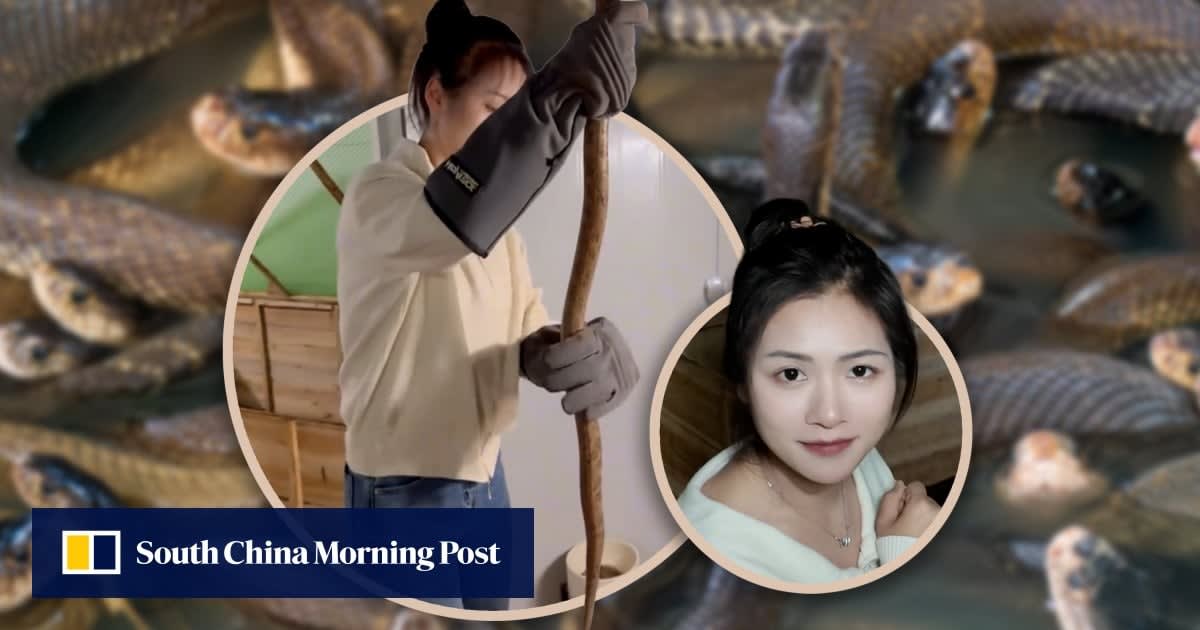
A university graduate in China turned her father's snake farm into a thriving medical research business. She now manages over 60,000 venomous snakes, supplying venom that saves lives.
When Qin returned to her village in Guilin, China, her father tried to talk her out of joining the family business. Raising 60,000 venomous snakes wasn't exactly the career path most parents dream of for their college-educated daughter.
But two years after graduating from university in 2017, the young woman born in 1995 came home anyway. Today, she manages one of southern China's most unusual agricultural operations, caring for more than 50,000 five-step vipers and nearly 10,000 cobras.
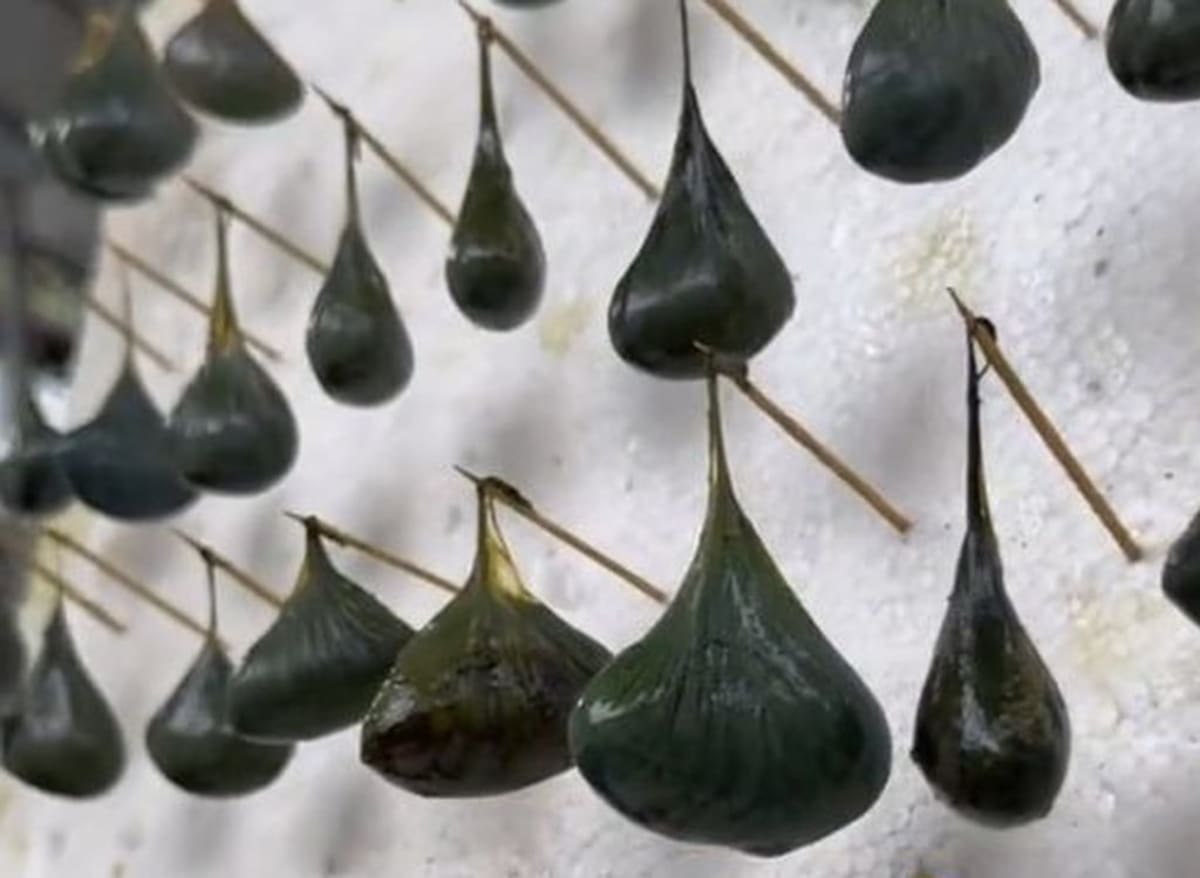
The snakes aren't just slithering around for show. Qin extracts their venom and sells it to medical researchers who use it to develop life-saving treatments. The operation now generates over one million yuan, roughly $146,000, each year.
Her father's initial fears weren't unfounded. The five-step snake, a highly venomous pit viper, gets its name from the belief that victims can only walk five steps before collapsing. Cobras need no introduction to anyone who's seen a nature documentary.
Yet Qin describes herself as "unafraid" when working with the reptiles. She's turned what many would consider a nightmare into a sustainable business that bridges traditional farming with cutting-edge science.
The Ripple Effect
Snake venom has become increasingly valuable to medical researchers worldwide. Scientists use components from viper and cobra venom to develop treatments for blood disorders, heart conditions, and chronic pain. Some compounds are being studied for their potential to fight cancer.
By choosing to continue her father's work rather than pursuing a conventional career path, Qin created a bridge between rural agriculture and modern medicine. Her farm supplies crucial raw materials that researchers need to develop treatments that could help millions of people.
Her story has inspired conversations across China about returning to rural hometowns and finding innovative ways to modernize traditional industries. Sometimes the path forward means going back home.
Young professionals in China's cities are taking notice that meaningful, profitable work doesn't always require staying in urban centers. Qin proved that coming home can mean creating something extraordinary.
More Images


Based on reporting by South China Morning Post
This story was written by BrightWire based on verified news reports.
Spread the positivity!
Share this good news with someone who needs it