Woman Revives 500-Year-Old Indian Embroidery Art Form
For 30 years, Arati Hiremath has kept kasuti embroidery alive, training 200 artisans and selling their intricate handiwork worldwide. When India's Prime Minister wore her shawl at a national event, it marked a triumphant moment for this ancient craft.
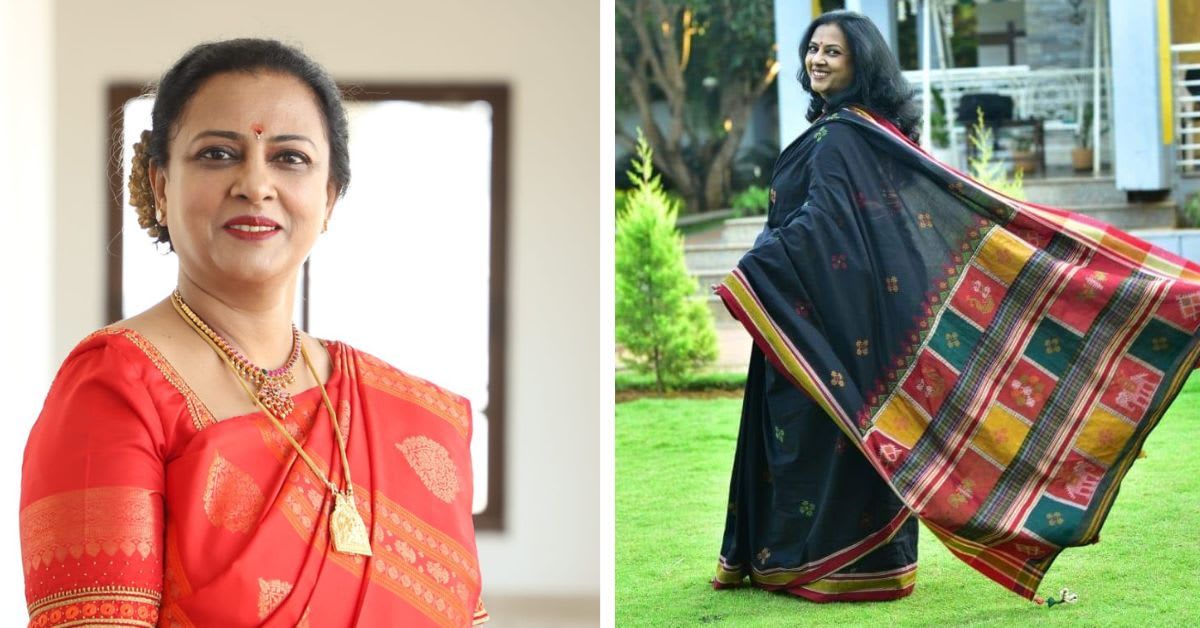
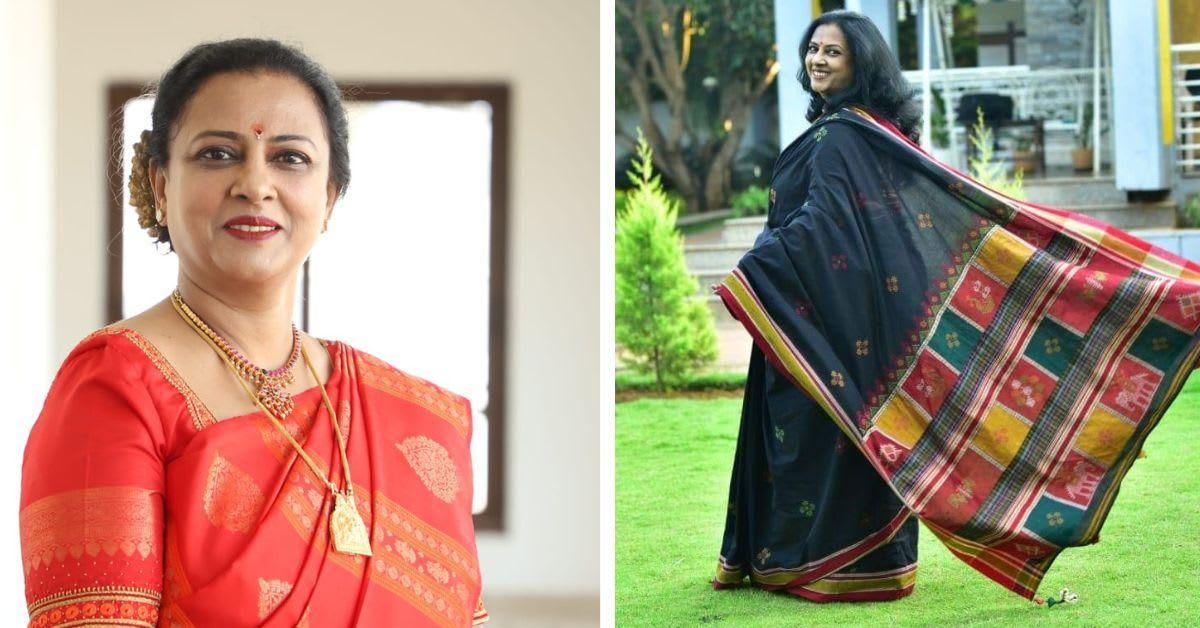
When Prime Minister Narendra Modi arrived at Karnataka's National Youth Festival draped in a striking red and white embroidered shawl, few knew they were witnessing the revival of a 500-year-old art form. That shawl was the work of Arati Hiremath and her venture Artikrafts, which has spent three decades bringing kasuti embroidery back from the brink.
Arati's journey began unexpectedly in 1990 when she moved to Dharwad, Karnataka after marriage. Two women knocked on her door asking for work. They had once embroidered sarees for her mother years earlier.
What started as connecting these artisans with shops in Bengaluru became Arati's life mission. By 2000, she decided to turn her passion project into a real business.
Kasuti embroidery dates back to the 15th century Chalukya dynasty, created exclusively by women in Karnataka. What makes it extraordinary is that artisans work without pencil patterns on blank cloth, creating intricate designs inspired by temples, lotus flowers, and peacocks purely from memory and skill.
The embroidery looks identical on both sides of the fabric, a feature that sets kasuti apart from other needlework traditions. Only master artisans who've trained for years can achieve this precision.
In 2003, Arati launched SEMA (Society For Empowerment And Mobilisation Of Artisans) with government support. The program trained women in kasuti embroidery and secured health insurance and scholarships for their children. Though funding ended in 2010, the foundation was laid.
A breakthrough came in 2011 when fashion students created a Facebook page and online marketplace for Artikrafts. Orders poured in as Indians rediscovered traditional crafts. Suddenly, this dying art form found eager customers across the country and beyond.
The Ripple Effect
Today, Artikrafts works with 200 active artisans who create stunning sarees, shawls, dupattas, and bags. The venture generates lakhs in revenue annually while preserving skills that might otherwise vanish. These women earn steady incomes supporting their families while keeping their ancestors' craft alive.
The artisans don't just make products. They carry forward centuries of knowledge, pattern by intricate pattern, ensuring their daughters and granddaughters can learn this remarkable skill.
One woman's determination to help two neighbors has blossomed into a movement safeguarding cultural heritage for generations.
More Images
%2Fenglish-betterindia%2Fmedia%2Fpost_attachments%2Fuploads%2F2023%2F01%2Fkasuti-embroidery-1674137257.jpg)
%2Fenglish-betterindia%2Fmedia%2Fpost_attachments%2Fuploads%2F2023%2F01%2FWhatsApp-Image-2023-01-18-at-5.36.34-PM-1674136640.jpeg)
Based on reporting by The Better India
This story was written by BrightWire based on verified news reports.
Spread the positivity!
Share this good news with someone who needs it