Woman Sees Son After First-Ever Central Retina Transplant
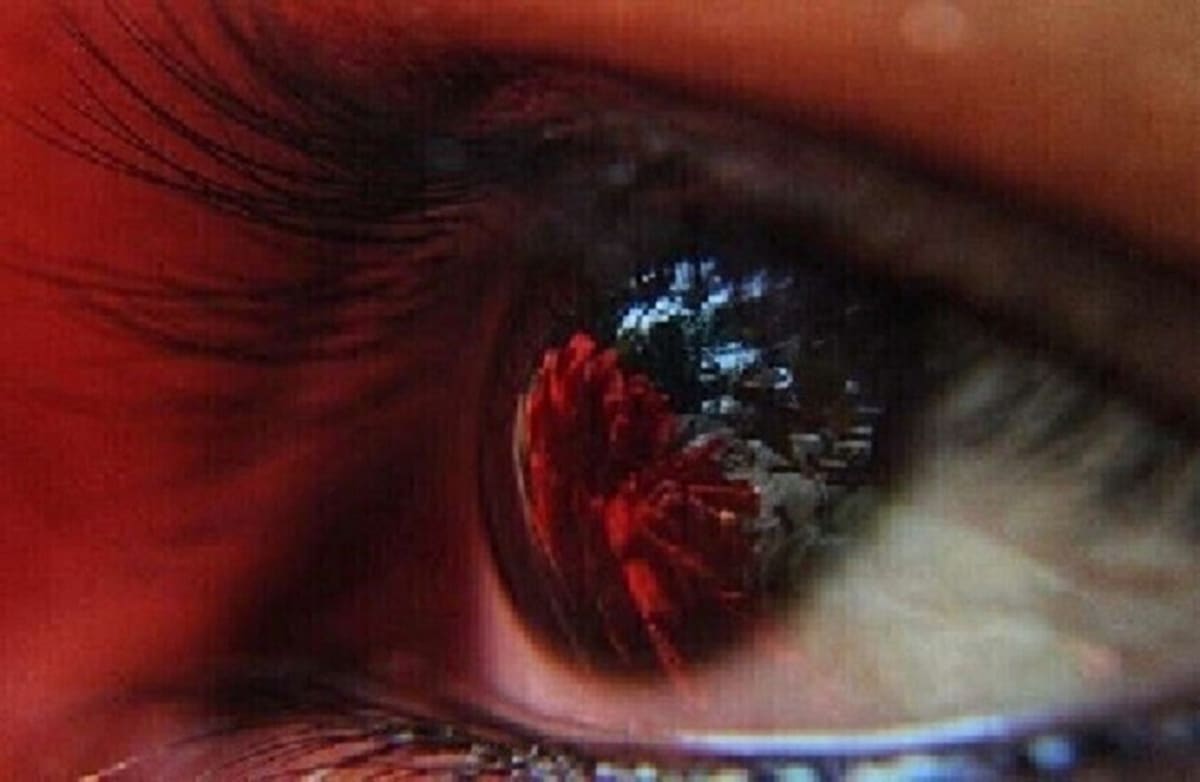
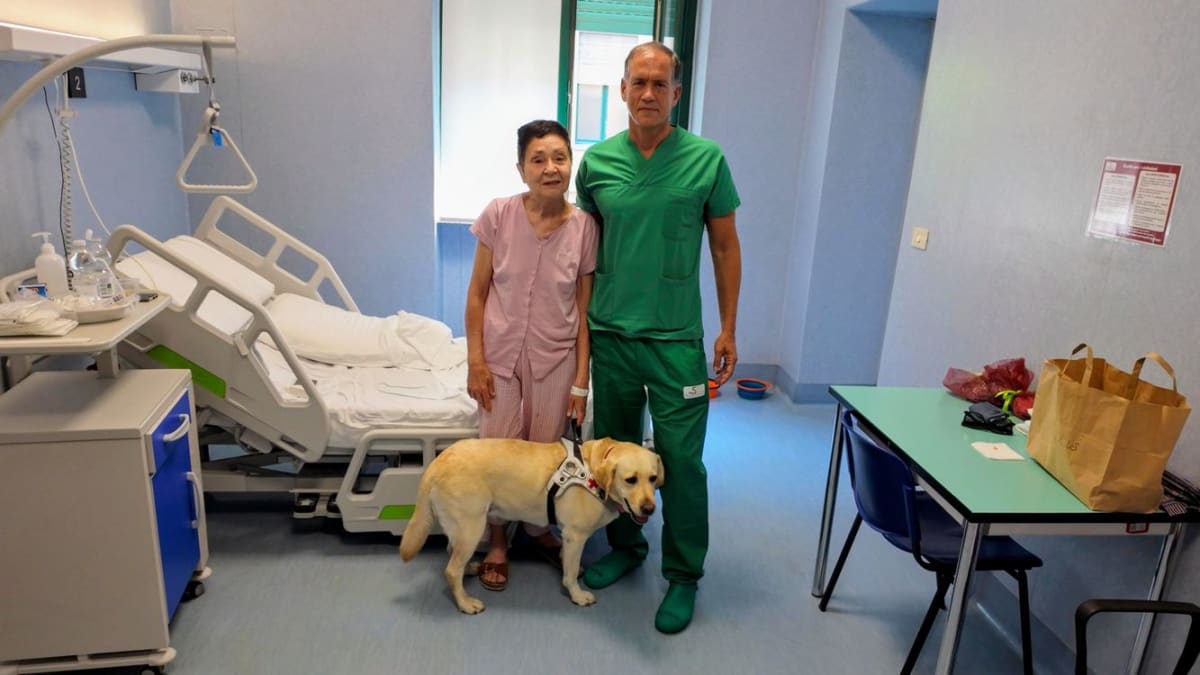
A blind Italian woman regained her sight after surgeons performed the world's first complete macular transplant, using healthy tissue from one of her eyes to repair the other. The moment she opened her eyes, she recognized her son and her dog Joe.
After years of blindness, 67-year-old Elena opened her eyes and saw the two faces she'd been longing for: her son and her beloved dog Joe.
The Turin woman became the first person in the world to receive a complete macular transplant, a groundbreaking six-hour surgery that doctors had never attempted before. Professor Michele Reibaldi and his team at Molinette Hospital pulled off what he called a "complicated marathon" to restore her vision.
Elena's story began with a devastating car crash that left both her eyes damaged in different ways. The accident completely severed the optic nerve in her left eye, the crucial cable that sends visual information to the brain. Her right eye suffered opposite damage: the optic nerve survived, but the crash destroyed her retina, cornea, and the stem cells needed for typical transplants.
Here's where Reibaldi had his breakthrough. Elena had all the parts needed for one functioning eye, just split between two damaged ones. The solution seemed simple: take the healthy tissues from her left eye and move them to her right eye, where the optic nerve still worked.
But simple and possible are two different things. The surgery required transplanting the macula (the tiny region responsible for sharp, detailed vision), plus the cornea and sclera. The macula sits deep inside the eyeball and had never been successfully transplanted before.
The surgical team worked with precision coordination for six hours. Surgeons, anesthetists, and support staff had to move delicate eye tissues that are smaller than a fingernail and more sensitive than almost any other part of the human body.
Why This Inspires
This surgery rewrites what's possible in medicine. For decades, doctors believed macular transplants couldn't be done. Professor Reibaldi didn't accept that limit.
His willingness to imagine a new solution means thousands of people with similar injuries might one day have hope for restored vision. The procedure combined existing transplant techniques in a way nobody had tried, proving that innovation sometimes means connecting dots others missed.
Early follow-ups show Elena's transplanted tissues have reattached properly. Her vision continues improving as her brain relearns how to process the signals from her rebuilt eye.
For Professor Reibaldi and his team, the technical achievement matters, but nothing compared to watching Elena recognize the faces she loves.
More Images
Based on reporting by Good News Network
This story was written by BrightWire based on verified news reports.
Spread the positivity!
Share this good news with someone who needs it