Woman Who Had $30 Now Feeds 4,500 Families During Ramadan
Sumbul arrived in Noida with just $100 and wondered where her next meal would come from. Now her foundation serves thousands of families during Ramadan, turning her painful experience into a lifeline for others.
When Sumbul stepped off the train in Noida in 2018, she carried 7,000 rupees (about $100) and a knot of worry in her stomach. After paying for travel and essentials, she had barely $30 left to survive on.
"I realized very quickly what it means to worry about your next meal," she recalls. "Hunger doesn't just affect the body. It affects your confidence and mental peace too."
That gnawing uncertainty followed her even after her situation improved. In 2021, she decided no one else should face that fear alone, so she founded the Aapke Saath Foundation to provide food assistance to struggling families.
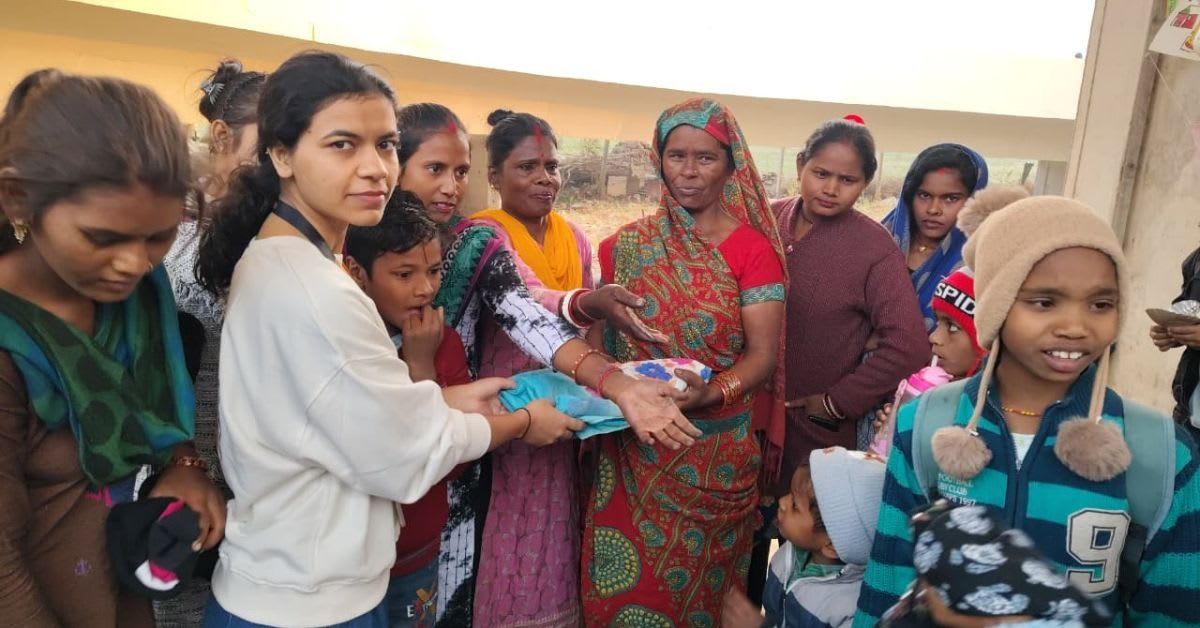
Today, the foundation's most meaningful work happens during Ramadan. As the evening call to prayer echoes across Delhi, Noida, and Bareilly, volunteers deliver food packets to families preparing to break their fast.
Many recipients are daily wage workers, ragpickers, or migrant families who can't secure consistent meals. The food packets mean they can observe Ramadan with dignity instead of dread.
The initiative provides both freshly prepared Iftar meals and ration kits containing rice, flour, lentils, and cooking oil. Last year, the team distributed over 100 meals daily, reaching nearly 3,000 people throughout the month.
This year, they're aiming for 150 meals each day, potentially serving more than 4,500 meals during Ramadan. They also plan to distribute around 100 ration kits to families needing longer-term support.
The Ripple Effect
A small but dedicated team of 10 core members and 17 volunteers makes it all happen. Most are young people between 22 and 32 who identify communities where families need help most.
Campaign volunteer Aditya says community participation drives everything. "Even a simple meal packet can make a difference," he explains.
For many families, the ration kits offer something beyond food: stability. Knowing basic groceries will last a few days lets parents focus on work and children instead of constantly worrying about the next meal.
Sumbul sees the initiative as proof that collective action creates change far greater than individual effort. "I realized that as a single person, you can only help a few people," she says. "But when communities come together, the scale of help multiplies."
For the families receiving these meals, a hot plate of food after fasting offers not just nourishment but reassurance that someone cares.
More Images
%2Fenglish-betterindia%2Fmedia%2Fmedia_files%2F2026%2F03%2F06%2Faapke-saath-foundation-2026-03-06-19-09-05.jpg)

%2Ffilters%3Aformat(webp)%2Fenglish-betterindia%2Fmedia%2Fmedia_files%2F2026%2F03%2F06%2Faapke-saath-foundation-2026-03-06-19-09-55.jpg)
%2Ffilters%3Aformat(webp)%2Fenglish-betterindia%2Fmedia%2Fmedia_files%2F2026%2F03%2F06%2Faapke-saath-foundation-2026-03-06-19-12-50.jpg)
Based on reporting by The Better India
This story was written by BrightWire based on verified news reports.
Spread the positivity!
Share this good news with someone who needs it