Woman With Sickle Cell Thrives at 78 After 20 Years of Care
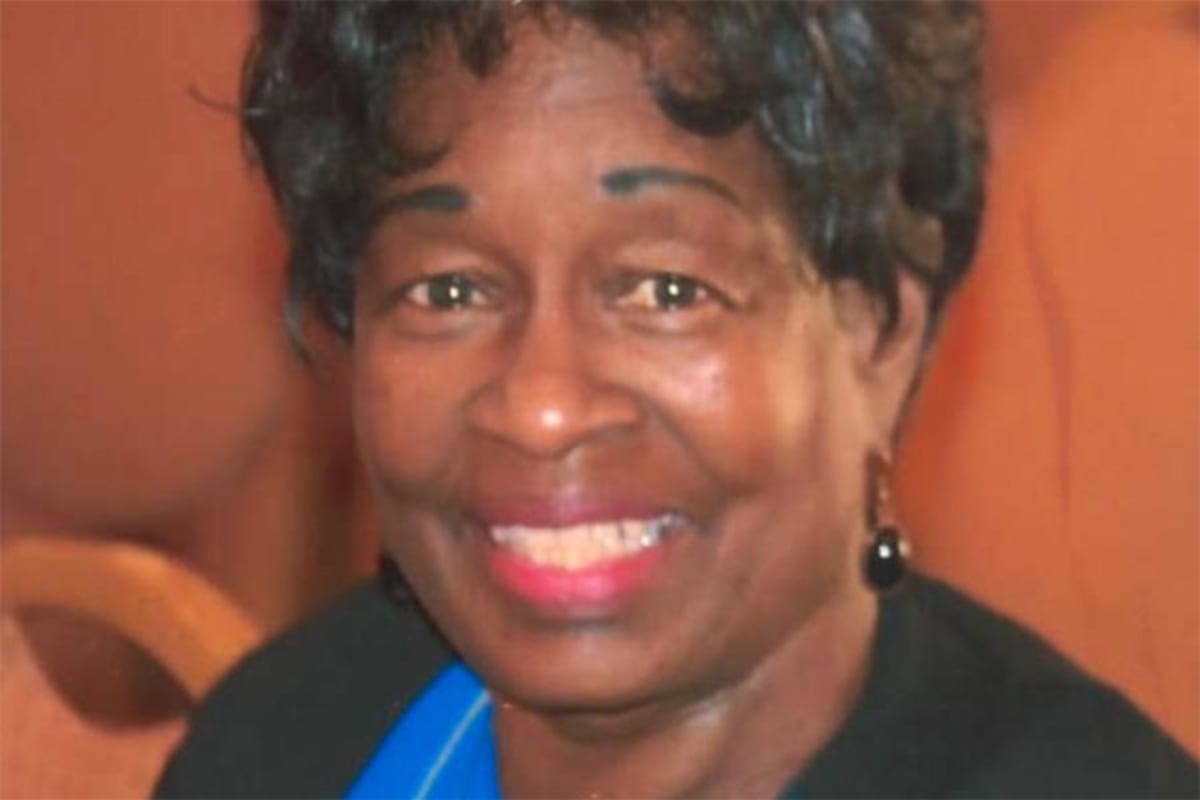
Audrey Patricia Smith defied all odds by living past age 5 with sickle cell disease in 1947, and she's still going strong at nearly 79. Her story shows how far medicine has come and offers hope to thousands living with this painful blood disorder.
When Audrey Patricia Smith was born in 1947, children with sickle cell disease rarely lived past their fifth birthday. Nearly eight decades later, she's thriving at 78, thanks to groundbreaking treatments that didn't exist for most of her life.
Smith's first pain crisis hit at age 12 during a family beach trip in Myrtle Beach, South Carolina. The cold ocean water triggered what would become a lifelong challenge with the inherited blood disorder that causes red blood cells to form crescent shapes instead of healthy discs.
Those misshapen cells restrict blood flow, causing severe pain, organ damage, and other serious complications. About 100,000 Americans live with sickle cell disease today, and the median age at death remains only in the mid to late 40s.
Smith didn't fully understand the importance of managing her condition until organ complications, including heart failure, forced her to take action. "I didn't really understand how much I needed to take care of myself until I was so sick," she says.
For the past 20 years, Smith has received care at Johns Hopkins, where she began a monthly treatment in 2003 that removes her sickle cells and replaces them with healthy donor blood. She's likely received more than 2,000 units of donated blood over two decades.
"The treatment does a great job of instilling healthy donor red blood cells and minimizing chronic organ damage," says Dr. Liz Crowe, medical director of the blood bank at Johns Hopkins Hospital. The procedure also prevents acute life threatening complications when patients come consistently.
Why This Inspires
Smith's survival represents every milestone scientists thought impossible. "Mrs. Smith has lived through the vast majority of contemporary sickle cell history," says Lydia Pecker, director of research and advocacy at Johns Hopkins Sickle Cell Center for Adults. "Every time she hit another developmental milestone, she continued to outlive what was expected."
The strong relationships Smith built with her medical team kept her coming back month after month. "I give them triple As for the care they give Johns Hopkins Medicine sickle cell patients," she says. "They want us to live, and live well."
Her advice to younger patients is simple but powerful: keep your appointments and trust your specialists. "I know as young people, other things feel more important sometimes than appointments and screenings," Smith says. "But today I would tell you to follow and listen to your doctors. That's why I'm here, despite everything, at almost 79."
Smith's story also highlights the critical need for blood donation, especially during summer months when donations typically decline. Only 3% of eligible donors actually give blood, and increasing that by just 1% would eliminate shortages.
At nearly 79, Smith proves that consistent, compassionate care can transform what seemed like an impossible future into decades of life well lived.
Based on reporting by Google News - Disease Cure
This story was written by BrightWire based on verified news reports.
Spread the positivity!
Share this good news with someone who needs it