Woman's Garden Becomes Safe Haven for Rare Pink Grasshoppers
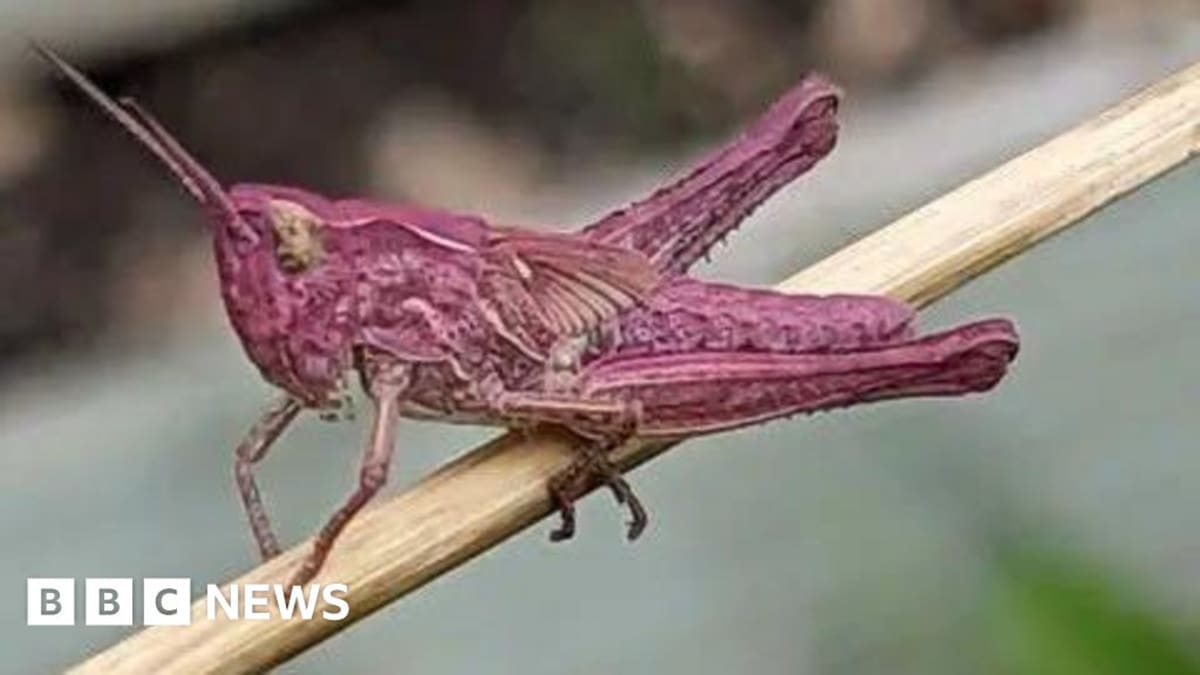
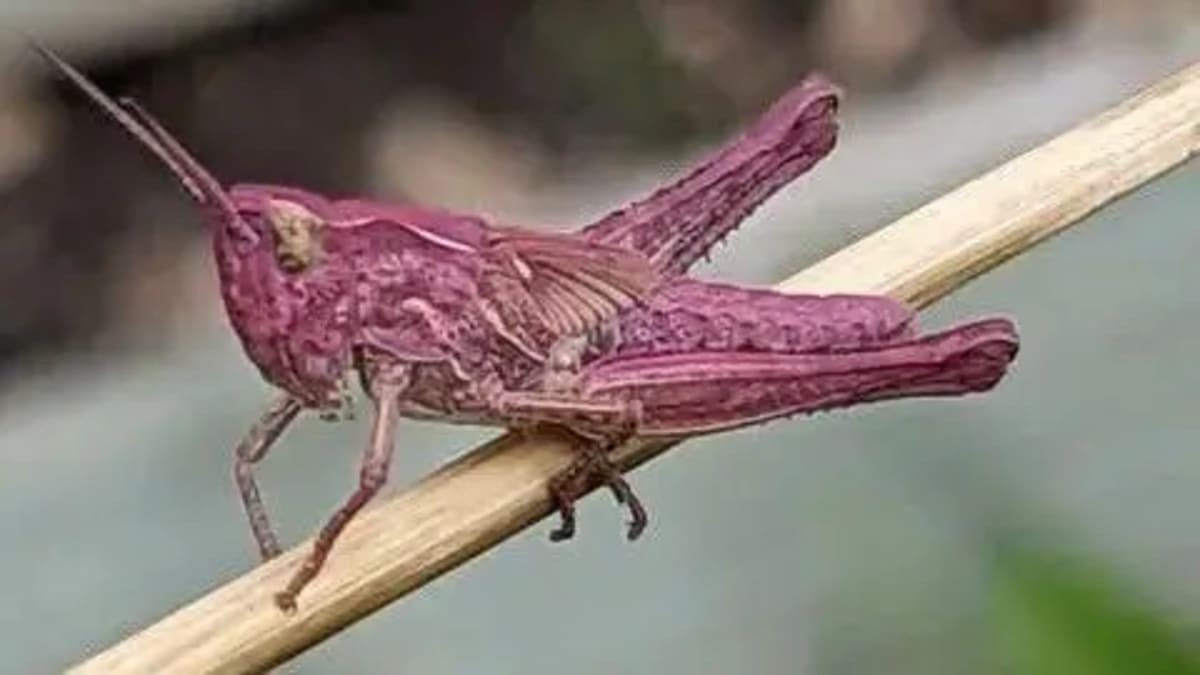
A UK woman discovered multiple rare pink grasshoppers thriving in her garden, a once-in-a-lifetime find that scientists say is made possible by her four cats keeping predatory birds away. The unusual insects carry a genetic mutation that makes them bright pink and easy targets in nature.
Natasha Welch stepped into her garden in Shepton Mallet, England, and couldn't believe her eyes when she spotted not one but several baby grasshoppers glowing bright pink among the tall grass.
The vibrant insects are incredibly rare to find in the wild because their color makes them easy targets for hungry birds. But Welch's garden has become an unexpected sanctuary for these genetic marvels.
The pink color comes from a genetic mutation that prevents the grasshoppers from developing their normal camouflage. Anne Halpin from Somerset Wildlife Trust explains that while the mutation itself isn't exceptionally rare, actually seeing these pink grasshoppers alive in nature is a "once-in-a-lifetime find."
So how did Welch's garden beat the odds? Her four cats are the unlikely heroes of this story. The feline patrol keeps birds away from the yard, giving the bright pink grasshoppers a chance to survive and even reproduce.
Welch first spotted a single pink grasshopper in her garden in 2023, but this year she discovered babies, suggesting the protected environment allowed at least one to reach adulthood and breed. "It is exciting that they're there and chose my garden," Welch said.
Her relaxed approach to lawn care might also be helping. Welch admits she doesn't mow very often, creating the varied grass heights that grasshoppers love.
The Ripple Effect:
This accidental grasshopper haven offers a gentle reminder about how our everyday choices can create unexpected wildlife sanctuaries. Halpin notes that areas with more cats do tend to have fewer songbirds, which isn't always positive for ecosystems, but in this case created a unique refuge for a rare genetic variation.
The discovery is inspiring others to rethink their garden management. Halpin recommends maintaining a mixture of tall and short grass rather than perfectly manicured lawns. "The more variety you have in your grass and garden, the more different types of plants, trees, shrubs, will be most beneficial to most species," she said.
Welch can now walk through her grass and spot dozens of grasshoppers, pink and green alike, hopping through what has become their safe haven. Sometimes the best conservation happens not through grand plans, but through simple acts like letting the grass grow a little longer and giving nature space to surprise us.
More Images

Based on reporting by BBC Science
This story was written by BrightWire based on verified news reports.
Spread the positivity!
Share this good news with someone who needs it