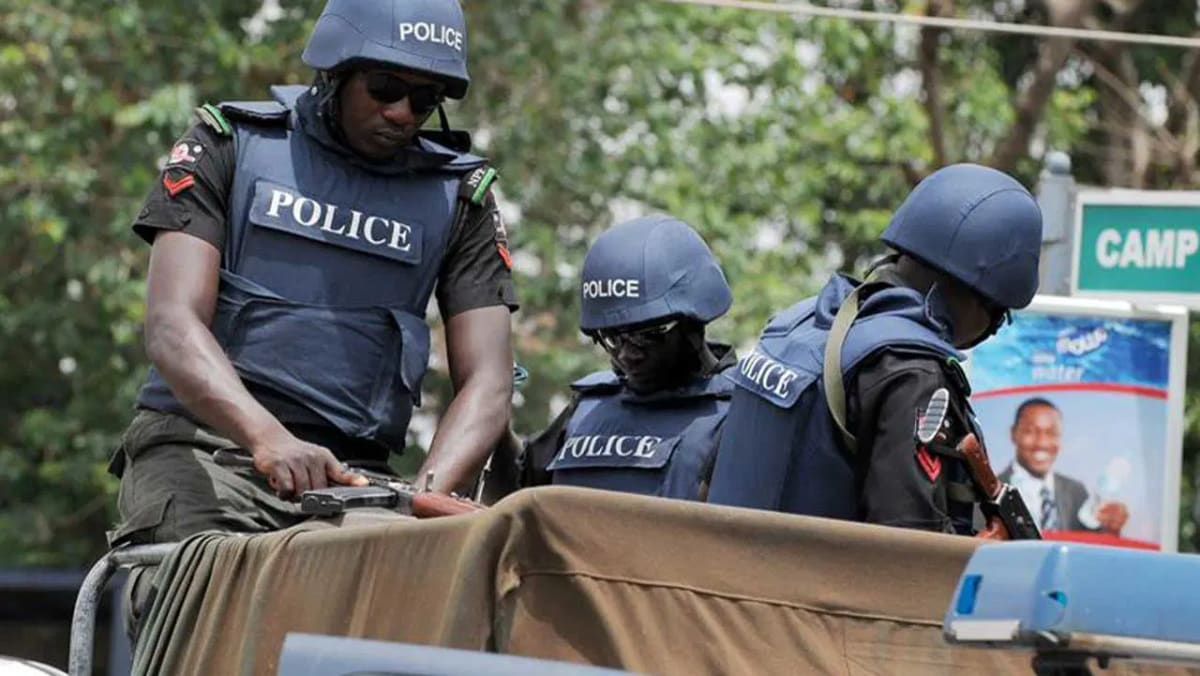
Woman's Murder 20 Years Ago Transforms UK Police Training
When Banaz Mahmod contacted police five times begging for help before her death in 2006, officers failed to protect her. Two decades later, her story has revolutionized how 23,000 UK officers are trained to recognize and prevent honor-based violence.
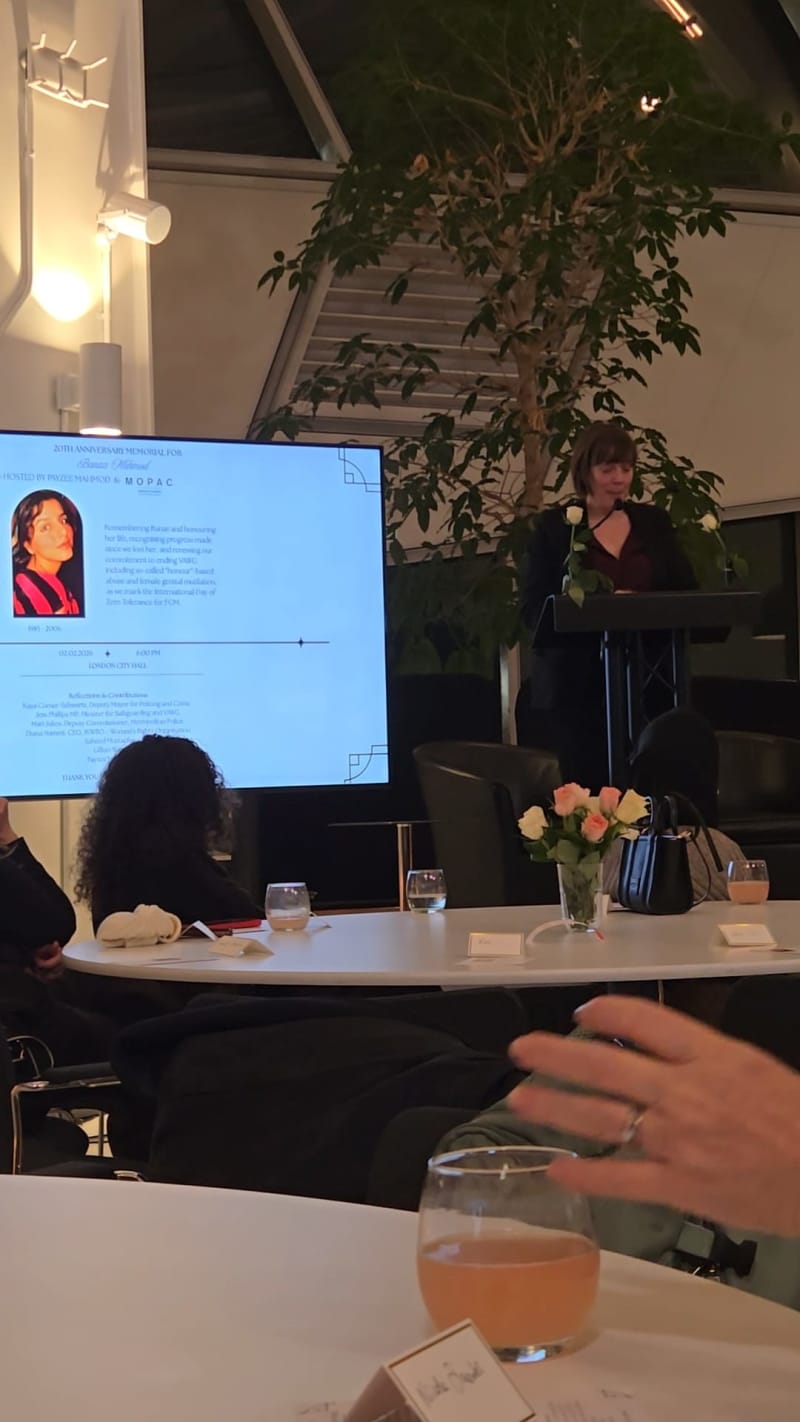
Twenty years after Banaz Mahmod's death, her sister Payzee stood in London's City Hall surrounded by police officers, government ministers, and advocates, all there because one young woman's tragedy forced an entire system to change.
Banaz was just 20 when she was murdered by family members in January 2006 after escaping a forced marriage and falling in love with someone her family disapproved of. She had reached out to police five times in four months, warning them about death threats from her family.
Despite her desperate pleas, officers didn't intervene. Her body was found three months later in Birmingham, buried in a suitcase under a garden patio.
The failure haunted Britain's law enforcement. Within years, Banaz's case became the cornerstone of police training across the country.
"I remember 15 years ago sitting in a police training center and being trained to do things differently because of Banaz," Safeguarding Minister Jess Phillips told the memorial crowd in February. "She was changing the world for people on the front line."
The Ripple Effect
Today, the Metropolitan Police is delivering specialized violence against women and girls training to 23,000 officers and staff. The department has expanded investigative capacity and launched Operation Limelight, which works at UK borders to identify people at risk of female genital mutilation.
On January 12 alone, officers at Heathrow Airport worked with 362 passengers to support FGM survivors and identify those needing protection.
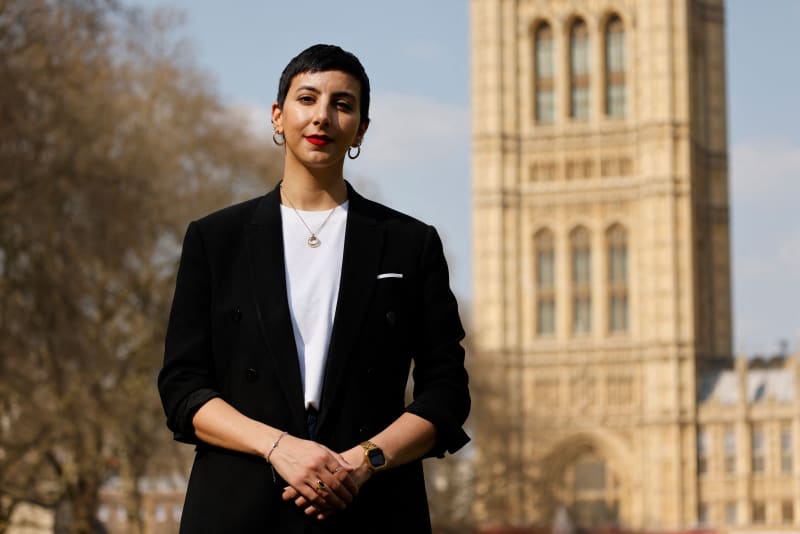
Payzee, who survived the same abuse as her sister including FGM as a child and forced marriage as a teenager, has turned her pain into purpose. She led the successful campaign to raise the UK's legal marriage age from 16 to 18 in 2023.
The government is now developing statutory guidance and a legal definition of honor-based abuse to help police and social workers better identify victims. While reports of honor-based abuse have increased 7% to nearly 3,000 cases in England and Wales, experts say that's partly because officers are finally trained to recognize it.
"Banaz's trial was a landmark moment when we finally saw justice with the recognition that she was murdered in an honor killing," said Diana Nammi of the Iranian and Kurdish Women's Rights Organization. The group worked with police to transform their approach.
Deputy Commissioner Matt Jukes acknowledged the lesson: "The Met has learned significantly from Banaz's death, and tackling honor-based abuse remains a priority for us."
At the memorial, government officials and police officers wiped away tears as speakers described Banaz as "a light in the room." Her name is now spoken in training sessions across the country, a reminder that believing women and acting quickly saves lives.
More Images
.jpeg)

Based on reporting by Independent UK - Good News
This story was written by BrightWire based on verified news reports.
Spread the positivity!
Share this good news with someone who needs it