Woman's Rare Disease Leads to Autoimmune Breakthrough
A 26-year-old Chicago woman with a rare autoimmune disorder donated her thymus for research and helped scientists discover why some patients relapse after treatment. The finding could lead to more targeted therapies without harsh side effects.
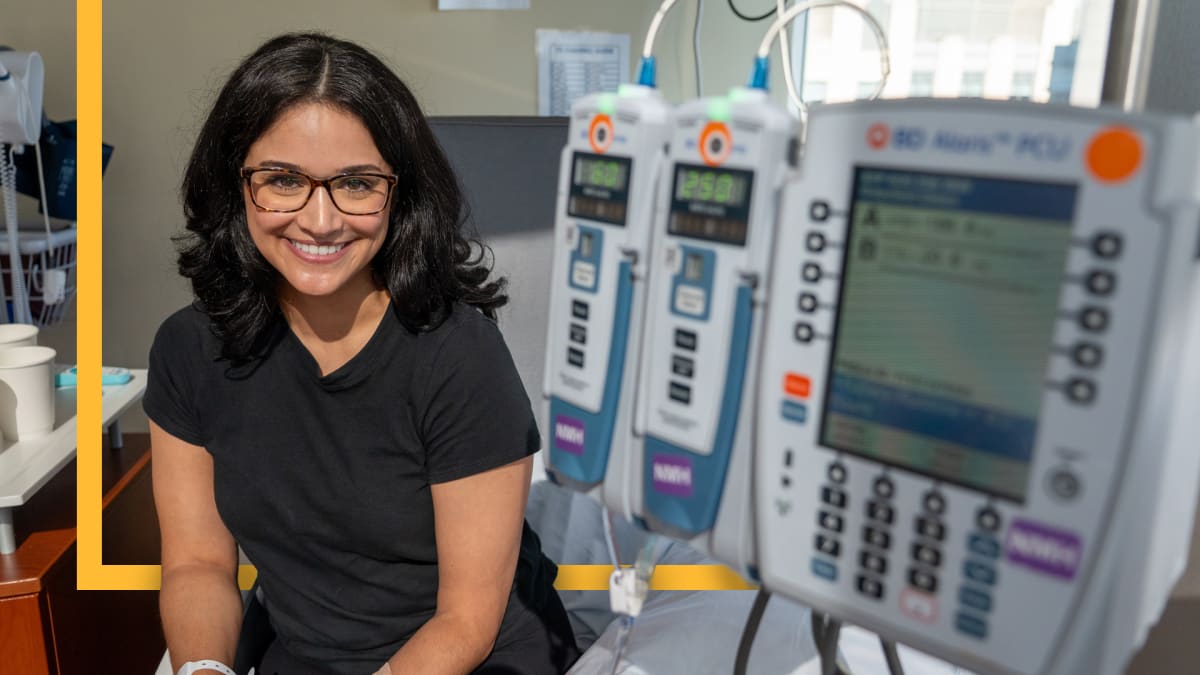
When Marissa Humayun woke up with a drooping eyelid in March 2023, she thought she was just tired from too many late nights. But the 26-year-old Chicago professional had developed a rare autoimmune disease that would eventually help scientists unlock a medical mystery.
After six weeks of doctor visits and misdiagnoses, a specialist finally identified ocular myasthenia gravis, an autoimmune disorder that weakens the muscles controlling the eyes. The disease can spread to affect muscles throughout the body, making it difficult to move, speak, swallow, or even breathe.
Humayun needed surgery to remove her thymus gland, a small organ behind the breastbone that can trigger the autoimmune response. But before her procedure in July 2023, she made a decision that would change research on her disease: she donated her thymus to science.
Dr. Ankit Bharat and his team at Northwestern Medicine studied Humayun's donated tissue and discovered something remarkable. They found that abnormal immune cells from the thymus can escape into other parts of the body and become essentially immortal, hiding out and producing disease-causing antibodies even after the thymus is removed.
This discovery finally explains why 30 to 40 percent of patients experience relapses after thymus removal surgery. The rogue cells continue their attack long after doctors thought they had eliminated the source.
The breakthrough points to a new treatment approach. Researchers identified a specific pathway that keeps these harmful cells alive, and that pathway could potentially be targeted with drugs that selectively eliminate just the troublemakers.
For Humayun, this matters deeply. She currently receives infusion therapy that suppresses her entire immune system, keeping her eye symptoms under control but leaving her vulnerable to infections and other side effects.
"It's this weird trade-off of, do you want the symptoms of your disease or are you going to accept the side effects of the medications that you're on?" she said. A targeted therapy could eliminate that impossible choice.
The Ripple Effect
The research could eventually help millions of people living with autoimmune diseases who face the same difficult trade-off Humayun describes. Current treatments often require suppressing the entire immune system, leaving patients vulnerable to infections and serious side effects while managing their primary condition.
A drug that selectively targets only the harmful immune cells would let patients like Humayun live symptom-free without compromising their body's ability to fight off everyday infections. Bharat said such a treatment could eliminate the need for broad immunosuppression entirely.
Humayun now calls her life "version 2.0." She manages her condition with medication, eye rest breaks during work, and careful planning around activities. She also writes about her experience and volunteers for research efforts to help others facing the same diagnosis.
One young woman's decision to donate a small organ has opened a door that could transform treatment for autoimmune diseases.
More Images


Based on reporting by Google News - New Treatment
This story was written by BrightWire based on verified news reports.
Spread the positivity!
Share this good news with someone who needs it