Women and Minorities Transform Grassroots Football in UK
Women, disabled players, and minority groups are driving a remarkable surge in grassroots football across the UK. Their movement is reshaping the sport from the ground up, creating welcoming communities that professional leagues have failed to provide.
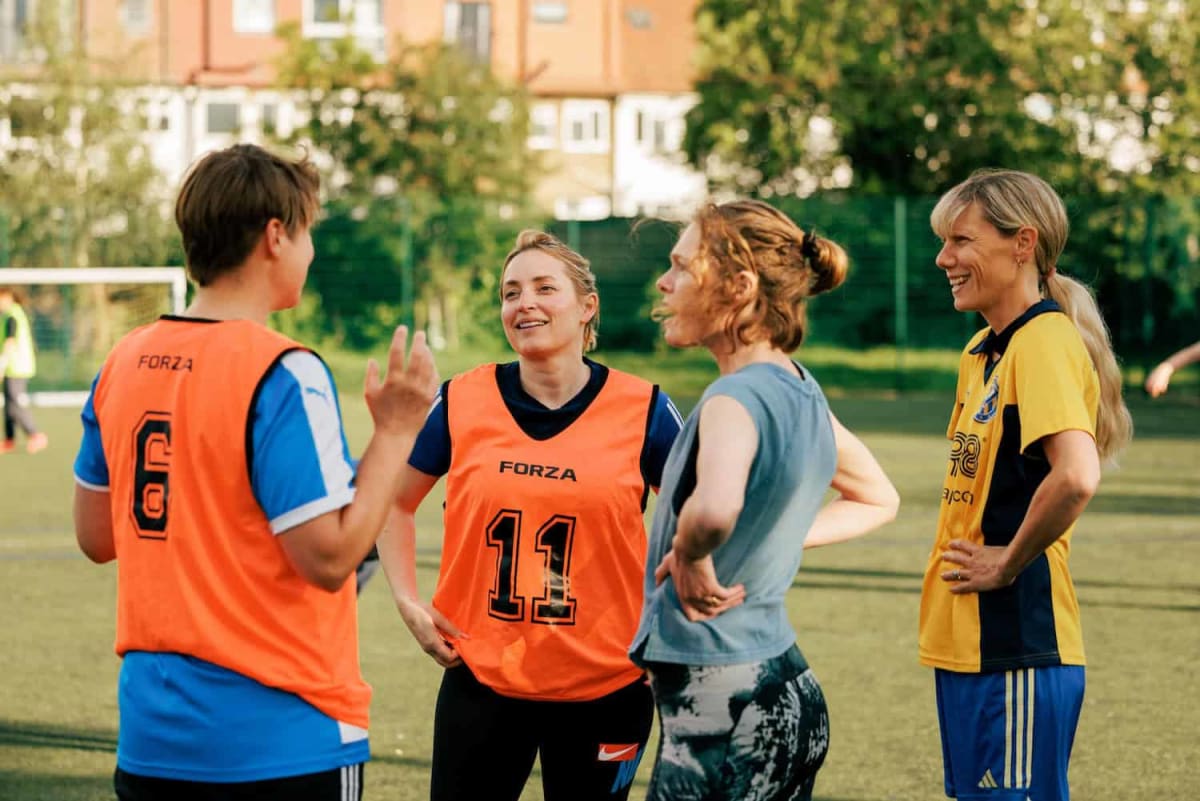
Farishta Karimi confidently backheeled a football to her teammate on a chilly Wednesday night in south London, a move that would seem ordinary except for one thing: just 18 months ago, the 22-year-old had never even run in public.
Growing up in ultra-conservative Afghanistan, Farishta could only watch with envy as boys played football. When she fled to the UK amid the US withdrawal, she found the courage to do what had been forbidden her entire life: kick a ball.
"I thought because I'd never kicked a ball they'd laugh at me," Farishta says softly about joining Athenlay FC. "Now, Wednesday is my favourite day of the week. Football makes me feel really free."
Her story echoes across Britain. Previously excluded groups are flooding into grassroots football at rates that experts call remarkable.
According to the Football Association, women playing regular grassroots football jumped 19% in the last year. Girls aged five to 15 saw an even bigger leap of 23%, and London participation has more than doubled since 2020.
Players with registered disabilities in FA-affiliated clubs surged 19% since last year. LGBTQ+ players and young people from minority backgrounds are joining teams in record numbers too.
The Ripple Effect
The grassroots boom comes as fans turn away from expensive, sometimes hostile professional stadiums. Premier League ticket prices have soared 800% since the early 1990s, and discrimination reports reached record levels during the 2024-25 season.
"At a time when there's a cost of living crisis, people don't want to give their football up, but they're being priced out," says Darren Bernstein from the Football Supporters Association. "Sometimes the most important thing is not always the football. It's about being part of that community."
Shadia Edwards-Dashti, who plays for west London team Actonians, sees her presence on the pitch as powerful change. "Every single time I step onto a pitch, this is not just about me kicking a ball," says the Arab, Muslim-background LGBTQ+ player. "This is a really liberating and expressive place for me."
Veronica Lenz, 46, grew up in Venezuela where machismo dictated what women couldn't do. When she played her first competitive match in the UK five years ago, she was terrified. "But it was the comfort of knowing that all the women there were with me," she says.
The movement feels like a total rejection of what's happening at the top of the sport. While professional football caters to broadcasters and investors, grassroots teams are building something different: genuine community.
These players aren't just scoring goals; they're creating the welcoming, joyful version of football they always deserved.
Based on reporting by Positive News
This story was written by BrightWire based on verified news reports.
Spread the positivity!
Share this good news with someone who needs it