
Women Composers Finally Get Their Symphony Spotlight
For centuries, talented women wrote powerful symphonies inspired by Beethoven but orchestras refused to play them. Now their lost works are being rediscovered and performed.
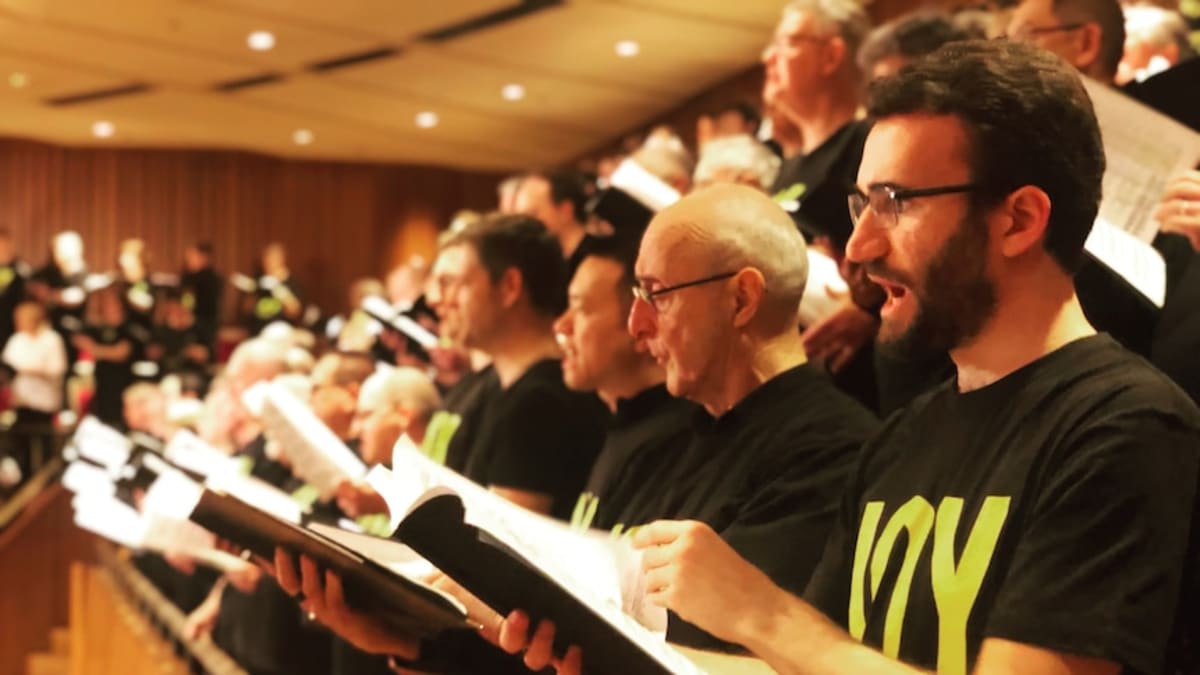
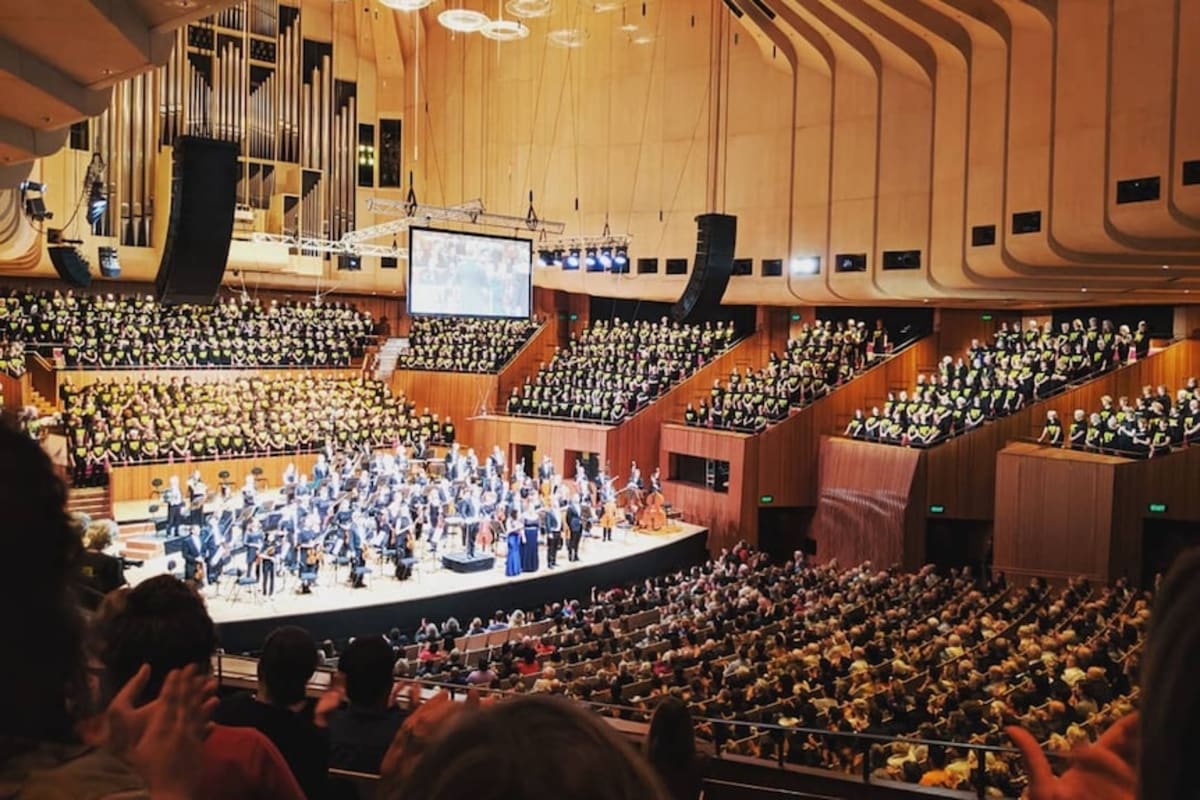
Beethoven's Ninth Symphony just topped Australia's classical music charts for the fifth time, but the story of who got to follow in his footsteps reveals an inspiring comeback centuries in the making.
When Beethoven premiered his groundbreaking Ninth Symphony in 1824, he was nearly deaf and conducting so intensely he didn't realize the orchestra had finished playing. The audience erupted in applause while he kept waving his baton until a soloist turned him around to see the standing ovation.
That revolutionary work inspired countless composers to write their own symphonies. But while male composers found stages and audiences, equally talented women faced locked doors.
"Historically, women weren't welcome to compose symphonies," explains ABC Classic presenter Vanessa Hughes. "Orchestras wouldn't play that music, and conductors wouldn't conduct them."
The barrier wasn't talent or ambition. Across 19th century Europe, women like Emilie Mayer, Louise Farrenc, and Alice Mary Smith wrote sweeping orchestral works directly inspired by Beethoven's genius. Mayer completed eight full symphonies, nearly matching Beethoven's nine.
But society expected women to write small salon pieces, not major orchestral works. Combined with family responsibilities and no access to professional networks, their symphonies gathered dust while their male peers gained fame.
Some found creative ways through. Mayer had an unusually supportive family and remained single her entire life, allowing her to keep composing. In 1933, Florence Price became the first Black woman to have a symphony performed by a major American orchestra, breaking through both gender and racial barriers during Jim Crow segregation.
Why This Inspires
These composers didn't stop creating just because the door was closed. They wrote symphonies knowing they might never hear them performed by a full orchestra. They developed their craft in isolation, driven purely by artistic vision.
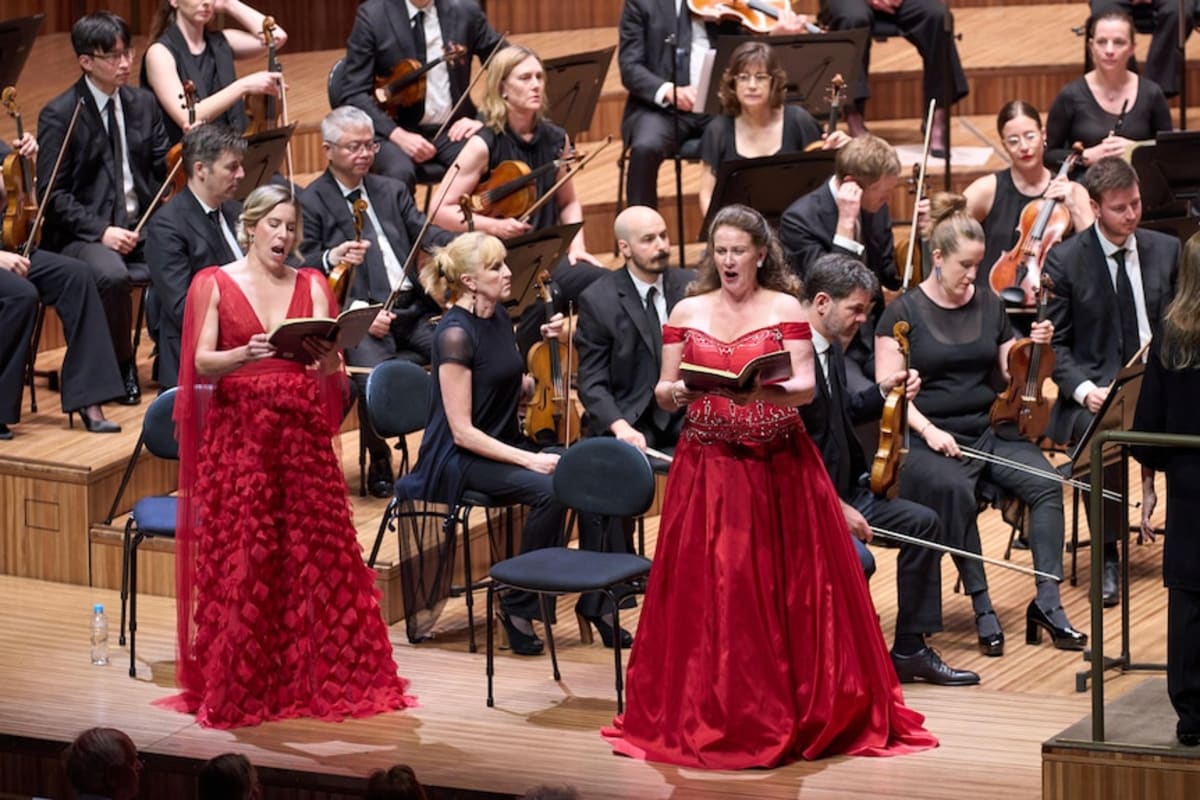
Today, musicians and conductors are actively searching archives for these lost works. Orchestras worldwide now program pieces by Price, Farrenc, and other overlooked women composers. Audiences are finally hearing the symphonies that should have been classics all along.
The rediscovery continues. Researchers keep finding forgotten scores in library collections and private estates. Each new performance proves these works can stand alongside any symphony in the classical canon.
What looked like a curse of silence is transforming into a second chance at the spotlight these composers always deserved.
More Images

Based on reporting by ABC Australia
This story was written by BrightWire based on verified news reports.
Spread the positivity!
Share this good news with someone who needs it
%2Fhttps%3A%2F%2Ftf-cmsv2-smithsonianmag-media.s3.amazonaws.com%2Ffiler_public%2Ffa%2Fa0%2Ffaa01f9f-729a-4d5b-b38d-4617f39f72d5%2Fdt3990.jpg)