Women Lead Peace After War From Gaza to Colombia
Faith groups are helping women bring justice and healing to war-torn communities across four continents. From Ukraine's borders to Gaza's shelters, these advocates prove peace starts with supporting survivors.
When hundreds of thousands of Ukrainian women fled across the Polish border in 2022, Lutheran churches became their first safe haven. Volunteers offered more than food and shelter—they provided psychosocial support, protected refugees from trafficking gangs, and helped replace lost identity documents.
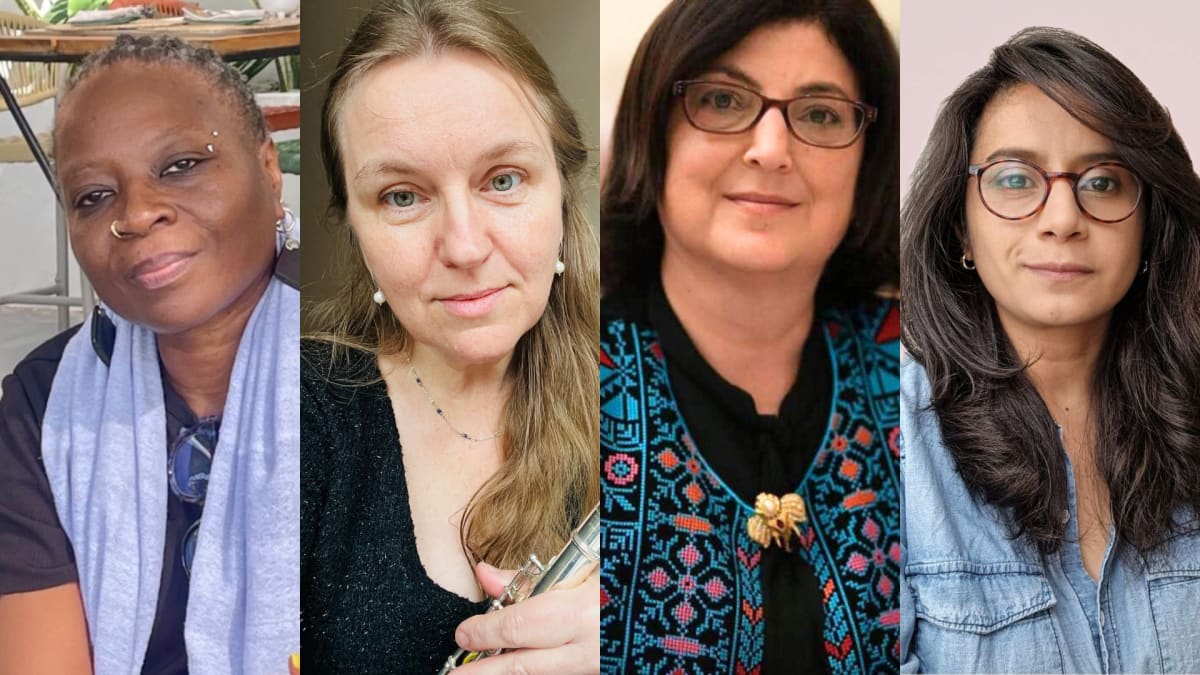
These frontline efforts represent a global movement gaining momentum. At the United Nations Commission on the Status of Women, advocates from The Gambia, Colombia, Poland, and the Middle East shared stories of bringing justice to women in conflict zones.
In The Gambia, a national Truth and Reconciliation Commission created a women's unit after decades of authoritarian rule ended in 2017. One survivor's testimony about her own abuse became a bridge for dozens of other women to come forward with similar stories of rape and exploitation by political leaders.
Colombia's experience shows how survivor voices can reshape entire nations. Women there faced sexual violence and displacement for years as armed groups turned their bodies and homes into battlegrounds. Their testimonies pushed the government to officially recognize gender-based violence as a weapon of war and led to the creation of a gender sub-commission in peace negotiations.
The work extends to the most dire circumstances. In Gaza, where the healthcare system has nearly collapsed, women struggle to survive in overcrowded shelters without clean water, food, or medicine. Many mothers skip meals so their children can eat while coping with constant fear and trauma.
Rev. Dr. Anne Burghardt of the Lutheran World Federation put it plainly: there can be no sustainable peace without gender justice. That means survivor-centered protection, accountability for perpetrators, legal identity for displaced women, and meaningful participation in peace processes.
The Ripple Effect
The impact extends far beyond individual survivors. When women receive justice and support in post-conflict settings, entire communities grow stronger and cycles of violence break. Truth commissions, gender-focused peace negotiations, and safe spaces created by faith organizations become templates other nations can follow.
Polish volunteer Agnieszka Godfrejów-Tarnogórska witnessed this firsthand with Ukrainian refugees. Churches and faith organizations created safe spaces where women could share their stories and receive support during their hardest moments.
Judge Scarlet Bishara, the first female judge in Middle Eastern ecclesiastical courts, has documented the war's impact on women in Gaza through two comprehensive studies. Her research gives voice to those suffering psychological trauma alongside physical hardship.
These stories from four continents share a common thread: women leading the way toward peace, even while healing from their own wounds. Their courage transforms personal survival into community resilience and national reconciliation.
Based on reporting by Google News - Reconciliation
This story was written by BrightWire based on verified news reports.
Spread the positivity!
Share this good news with someone who needs it