Women-Led Homestays Transform Sundarbans Tourism
Eco-conscious travelers are discovering a new side of India's famous mangrove delta through sustainable homestays run by local communities. These nature-focused accommodations offer authentic experiences while protecting the UNESCO World Heritage Site's fragile ecosystem.
Deep in the world's largest mangrove forest, a quiet revolution in sustainable tourism is taking root in the Sundarbans delta where the Ganges, Brahmaputra, and Meghna rivers meet.
Retired government officer Neelanjan Chakravarty turned his dream into reality in 2017 when he launched Bongheri Homestay, offering travelers four eco-friendly cottages surrounded by 140,000 hectares of mangroves. Guests wake to riverbank walks and share meals with fishing families, experiencing life at the delta's natural rhythm.
This isn't your typical wildlife tour. The Sundarban Tiger Camp on Dayapur Island has pioneered sustainable tourism since 2004, blending Royal Bengal Tiger safaris with cultural performances like the traditional Bonobibi Jatra tribal dance.
Meanwhile, Rajesh Kumar Shaw built Eco Village entirely from local materials like bamboo, earth, and hay after years of traveling across India. His cottages mirror the landscape while maintaining modern comfort, proving sustainability doesn't mean sacrifice.
Why This Inspires
What makes these homestays special goes beyond comfortable beds and good food. Local guides lead birdwatching expeditions to spot critically endangered masked finfoots and Brahminy kites. Visitors join honey collection tours and village walks, sitting down with fishing communities over plates of shorshe ilish (hilsa in mustard gravy) and learning recipes passed down through generations.
The monsoon season brings the hilsa festival as fish migrate upstream, filling local kitchens with the aroma of bhapa ilish steamed in mustard and coconut paste. Every meal tells a story of the rivers and the resilient people who depend on them.
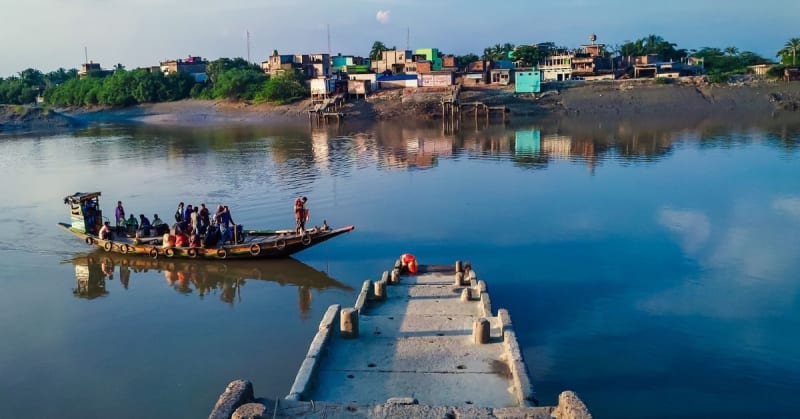
Boat trips through the maze of tidal creeks reveal spotted deer, estuarine crocodiles, and water monitor lizards against a backdrop of dense mangrove forests. But the real magic happens in quiet moments: watching kingfishers dive at sunset, listening to villagers share tales of their relationship with the wild, understanding how traditional practices protect this fragile ecosystem.
These homestays prove that tourism can support local communities while preserving natural wonders. Travelers leave with full hearts and a deeper connection to one of Earth's most unique landscapes, while their visits directly benefit the families who call the Sundarbans home.
More Images
%2Fenglish-betterindia%2Fmedia%2Fmedia_files%2F2026%2F01%2F23%2Fsundarbans-travel-5-2026-01-23-18-23-19.jpg)
%2Ffilters%3Aformat(webp)%2Fenglish-betterindia%2Fmedia%2Fmedia_files%2F2026%2F01%2F23%2Fsundarbans-travel-2026-01-23-17-59-23.jpg)

%2Ffilters%3Aformat(webp)%2Fenglish-betterindia%2Fmedia%2Fmedia_files%2F2026%2F01%2F23%2Fsundarbans-travel-1-2026-01-23-18-03-08.jpg)
Based on reporting by The Better India
This story was written by BrightWire based on verified news reports.
Spread the positivity!
Share this good news with someone who needs it
%2Fhttps%3A%2F%2Ftf-cmsv2-smithsonianmag-media.s3.amazonaws.com%2Ffiler_public%2F8b%2Fdd%2F8bdd6baa-d5eb-4361-b11d-74f651c75216%2Fmarmot_dandelion_3b531fc2-0a2c-43dd-8549-971ae73358af-prv.jpg)