Women Mapmakers Chart a New Course After Centuries Hidden
From embroidering silk maps in ancient China to developing GPS technology, women have shaped how we see the world while their contributions went largely unrecognized. Now their stories are finally getting the recognition they deserve.
For centuries, women have been quietly mapping the world, and their incredible contributions are finally coming to light.
The history books taught us that men dominated cartography, from Mercator's world maps in the 1500s to the invention of GPS in the 1960s. But the real story is far more inclusive and inspiring.
As early as the fourth century, a woman in China's Han Dynasty embroidered intricate maps on silk. During the 15th and 16th centuries, women colored maps and added artistic details, though many signed only their initials to hide their gender and get their work published.
World War II opened doors that had been locked for generations. While men went to war, women stepped in as critical mapmakers, earning the nickname "Millie the Mapper." They produced topographic maps, interpreted aerial photography, and advanced the science of turning photos into 3D models of Earth's surface.
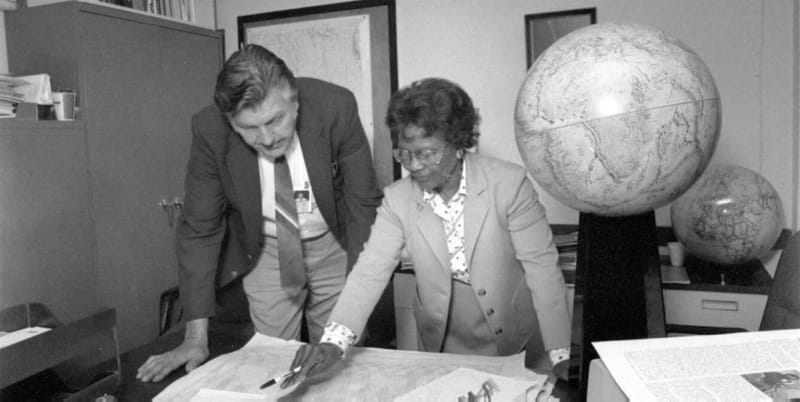
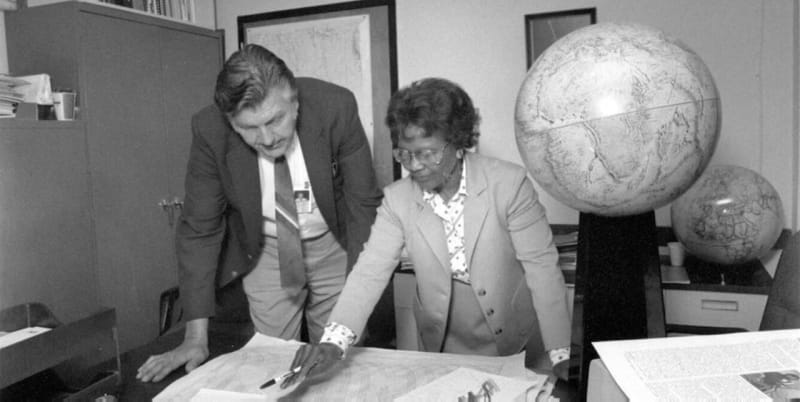
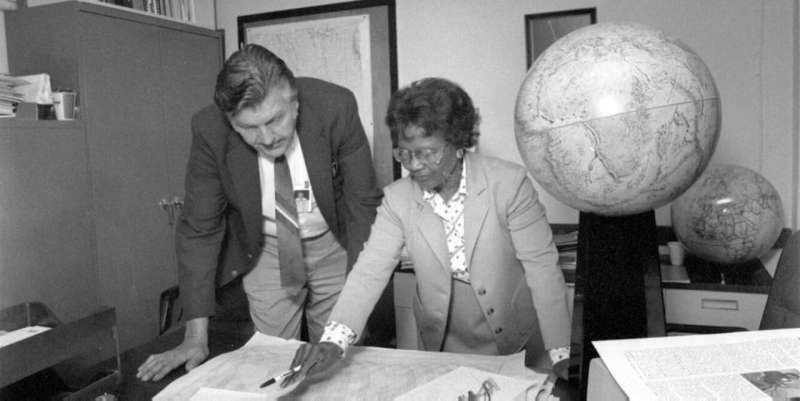
The breakthroughs kept coming. In the 1950s, Evelyn Pruitt coined the term "remote sensing" to describe using satellite images to map our planet. Around the same time, mathematician Gladys West developed the mathematical models that became the foundation for GPS technology we use every day.
Indigenous women contributed to mapping in ways that stretched beyond paper. Matriarchal societies passed down spatial knowledge through songs, dances, and rituals that identified water sources, sacred sites, and migration routes for their communities.
The Ripple Effect
Today, geographic information systems technology has made mapmaking more accessible than ever before. More women are entering the field, bringing diverse perspectives to how we understand and represent our world.
These female mapmakers aren't just creating technical documents. They're speaking up for communities that have been left off maps entirely, ensuring that everyone's home and heritage gets recognized.
Their work reminds us that representation matters in every field, and that the tools we use to navigate our world should reflect everyone who lives in it.
The women who mapped our past are inspiring a new generation to chart a more inclusive future.
More Images

Based on reporting by Phys.org
This story was written by BrightWire based on verified news reports.
Spread the positivity!
Share this good news with someone who needs it