Women Shatter Men's Ultra-Endurance Records Across the Globe
New Zealand's Sophie Woods ran 1,243 miles across the Alps in 29 days, beating the fastest man's time by over a week. She's part of a growing wave of women breaking men's records in ultra-endurance sports, where science shows the gender gap nearly disappears.
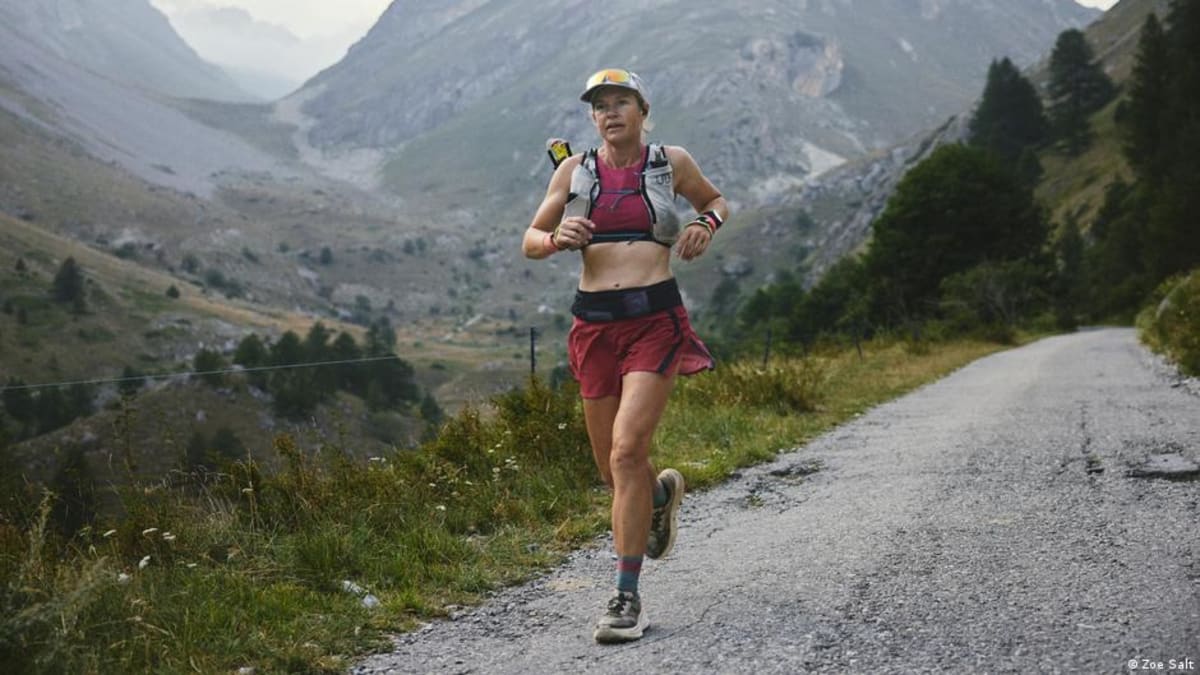
When Sophie Woods collapsed on mossy trails for 90-minute power naps during her month-long Alpine run, she probably wasn't thinking about rewriting sports history. But that's exactly what the 42-year-old New Zealand runner did.
Woods covered 1,243 miles across the Alps from Italy to Monaco in 29 days, becoming the fastest person ever to complete the Via Alpina. She finished more than seven days faster than any man had before, all while surviving on three to four hours of sleep per night and climbing the equivalent of Mount Everest 11 times.
She's not alone in this achievement. In 2026, Rachel Entrekin set the overall record at the Cocodona 250, a 250-mile race across Arizona. A year earlier, Tara Dower crushed the men's record on Vermont's Long Trail by nearly three hours.
In 2019, Germany's Fiona Kolbinger became the first woman to win the Transcontinental Race, cycling nearly 2,500 miles across Europe and beating the second-place man by eight hours. That same year, Jasmin Paris won Britain's 267-mile Spine Race, smashing the previous record by over 12 hours.
The pattern reveals something remarkable. A comprehensive analysis of over five million ultramarathon results found that as distances increase, women's performance catches up to men's and sometimes surpasses it.
At typical marathon distances, men average 11% faster times. At 100 miles, that gap shrinks to just 0.25%. Beyond 195 miles, women average 0.6% faster.
The science offers intriguing clues. Women typically have more fatigue-resistant muscle fibers and burn fat more efficiently during prolonged exercise. The advantages men enjoy in shorter races, like greater muscle mass and oxygen uptake, matter less when you're running for days instead of hours.
But Woods thinks it goes beyond biology. "I think we're good at putting our egos aside, and I think we're good at solving problems," she told reporters.
Ultra-endurance requires constant decision-making about sleep, nutrition, and pain management. Woods consumed up to 7,000 calories daily through burritos, pasta, sports drinks, and McDonald's, much of it eaten while moving. When the Dolomites heat became unbearable, she cried but kept going.
Why This Inspires
Woods points out a frustrating gap in sports science. Most endurance studies test only men, leaving women to figure out optimal training and fueling strategies on their own. "We have just been left behind in all of the research for decades," she said.
Despite setting records, women ultra-runners still fight for equal sponsorship, media coverage, and scientific attention. Yet they keep pushing boundaries anyway, discovering what their bodies can achieve through sheer determination and smart strategy.
Sports physiologist Nicholas Tiller calls very long endurance events "the great equaliser," a space where traditional advantages fade and mental toughness takes over. Woods has her own take on what matters most: "I think the bravest thing to do is to try the scary thing."
Based on reporting by DW News
This story was written by BrightWire based on verified news reports.
Spread the positivity!
Share this good news with someone who needs it